The Hair and Beauty Directory
  • Home
  • How it works
  • Search
  • About
  • Blog
  • Join
  • Business Courses
  • Contact us
  • Events
  • Jobs
Log in
Sign up
  • All
  • Professionals
  • Training
  • Jobs
  • Rooms
  • Classifieds
  • Brands
  • Academies
  • Events ›

Filters

Clear all
Applied
  • "Balayage" (remove)×

Search for what actually matters to you

Accessibility and inclusivity
  • Oncology safe
  • Menopause informed
  • Neurodiverse friendly
  • Wheelchair accessible
  • Fragrance free
  • Quiet appointments
  • Low sensory
  • HIV inclusive
  • Trans-inclusive
  • Pregnancy safe

Search results

13 results for Balayage

Balayage

Profile picture for user admin
Submitted by Reece on Wed, 09/30/2026 - 12:19

Balayage is a freehand hair-colouring technique in which lightener is hand-painted onto the surface of the hair, usually without foils, to create a soft, sun-kissed, graduated effect. The word comes from the French for "to sweep", which describes how the colourist sweeps product through chosen sections, keeping the roots deeper and building brightness towards the mid-lengths and ends. Because the regrowth is deliberately blended rather than blocky, balayage tends to grow out more gently than traditional foil highlights and can need fewer root visits, which many people find easier to live with. It is a bespoke, artistic process, so the placement, warmth and level of lift can all be tailored to your natural colour, skin tone and how bold or subtle you want the finish. Most balayage involves bleach or lightener, often followed by a toner or gloss to refine the shade, so it does change the condition of your hair and asks for a little ongoing care. A good colourist will talk through what is realistically achievable for your hair in one sitting, as very dark or previously coloured hair may need more than one appointment to reach a target shade safely.

Service
Balayage

In most cases it helps to arrive with your hair in its normal, healthy state rather than freshly washed on the day, as a little natural oil can protect the scalp during lightening. Avoid washing immediately beforehand unless your salon advises otherwise, and hold off on any harsh clarifying or DIY box colour in the weeks before, since previous colour, henna or metallic dyes can react unpredictably with bleach. Book a consultation, ideally with a photo of the look you want and honest details of your colour history, so the colourist can judge what is achievable in one visit. If you have had a patch test more than six months ago, or never with this salon, arrange a fresh one at least 48 hours ahead where a toner or tinted product will be used. Mention any recent illness, medication, pregnancy or scalp sensitivity, and come with realistic expectations about lift, as very dark hair rarely reaches pale blonde safely in a single session.

Your appointment usually starts with a consultation where the colourist checks your hair's condition, discusses the shade and placement, and confirms your patch test is in date. They will then hand-paint lightener onto selected sections, often working freehand without foils, though some use a mix of techniques or clingfilm to control the lift. The bleach is left to develop and monitored closely; you may sit for a while as it processes, and the colourist will check it repeatedly rather than leaving it to guesswork. Once the desired level is reached your hair is rinsed, and a toner, gloss or conditioning treatment is often applied to refine the tone and reduce brassiness. Expect the whole process to take anywhere from around two to four hours or more, depending on hair length, thickness and how much lift is needed. A finishing cut and blow-dry usually complete the look, letting you see the dimension before you leave.

To keep balayage looking fresh, wait a couple of days before your first wash so the colour can settle, then wash less often using lukewarm water and sulphate-free, colour-safe products. A purple or blue-toned shampoo used occasionally helps counter brassiness on blonde and lightened tones, but use it sparingly as overuse can leave a dull cast. Lightened hair is more porous, so weekly deep-conditioning masks and a bond-building or protein treatment help restore strength and shine. Always apply a heat protectant before straighteners, tongs or a hairdryer, and keep styling temperatures moderate. Chlorine, salt water and hard water can shift the tone, so rinse after swimming and consider a barrier product or a hat in strong sun, as UV fades colour. Regular trims keep the ends looking healthy. Your colourist can recommend a home routine suited to your exact shade and hair type, and a toning gloss between appointments can refresh the colour without full re-lightening.

Balayage uses bleach or lightener, which is a strong chemical process, so the biggest safeguards are a skilled, trained and insured colourist and honest communication about your hair. A patch test in date for any toner or tinted product is important, as is a strand test to check how your hair will lift and hold together, particularly if it has been coloured before. Lightener should never be applied over unknown box dye, henna or metallic salts without care, as these can cause heat, breakage or unexpected colour. A responsible colourist assesses your hair's strength, may decline or stage the service if reaching your goal in one visit would damage it, and monitors the bleach closely rather than over-processing to hit a shade. Overlapping bleach on already-lightened hair is a common cause of breakage, so trust a professional who prioritises hair integrity over an instant result. If your scalp stings sharply during processing, tell them straight away.

Balayage is a cosmetic hair service rather than a medical treatment, but a few health factors are worth flagging to your colourist. A known allergy to hair dye ingredients such as PPD or PTD, or to bleach, is a clear reason for caution, and a history of any reaction should be discussed before booking. Sensitive, broken or inflamed scalp skin, eczema or psoriasis flare-ups, and recent scalp procedures can all make lightening uncomfortable or unwise. Pregnancy is generally considered low risk for hair colour, but many people prefer to wait past the first trimester or focus on off-scalp techniques, and it is sensible to mention it. Certain medications and treatments, including some that affect the immune system, can alter how your skin reacts, so a fresh patch test matters. If you have had a previous allergic reaction to colour, or you are unsure whether a treatment is safe for you, speak to your GP or a qualified professional before going ahead rather than relying on a salon alone.

A skin patch test is strongly recommended whenever a toner, gloss or tinted product will be used, as these can contain PPD and related allergens, even though the lightener itself is painted off the scalp. Arrange the test at least 48 hours before your appointment; most salons treat it as valid for around six months and repeat it after any gap or change in your health. This is not just precaution but a real liability point in the UK: skipping a patch test can leave an insured salon found at fault if a client reacts, which is why professional colourists insist on it. Bear in mind a patch test is not fully conclusive, as sensitivities can build over time and a reaction can appear even after years of trouble-free colouring, so tell your colourist about any new itching, medication or illness. A strand test also checks how your hair will lift and cope.

Be cautious if a salon offers to lighten your hair with no consultation, skips or waves away a patch test when toner will be used, or promises to take very dark or previously box-dyed hair to pale blonde in one quick session regardless of condition. A colourist who ignores obvious breakage, applies bleach carelessly over already-lightened lengths, or leaves you unattended for long stretches without checking the development is not working safely. Sharp, burning scalp pain during processing, rather than mild warmth, is a warning sign that should be acted on immediately. Vague answers about their training, no insurance, dirty tools or reused mixing products, and pressure to go bolder than you are comfortable with are all reasons to pause. Trust your instincts if promised results sound too good for your hair's starting point.

A good sign is a thorough consultation where the colourist looks at your hair, asks about its colour history and health, and sets honest expectations about what is achievable in one visit. They confirm your patch test is in date, carry out a strand test where needed, and are happy to explain their training, insurance and the products they use. Look for someone who prioritises the condition of your hair, is willing to stage the process over more than one appointment to avoid damage, and offers bond-building or conditioning support. Clean tools, freshly mixed product, careful application and regular checking of the bleach all show good practice. A trustworthy professional will tailor the placement and tone to suit you, talk through realistic maintenance, and never pressure you into a result your hair cannot safely take.

  1. Based on my hair's colour history and condition, what result is realistically achievable in one visit, and might it need more than one appointment?
  2. Are you trained and insured for lightening and colour work, and how much experience do you have with balayage?
  3. Do I need a patch test and a strand test before this, and when should I come in for them?
  4. Will you be using a toner or gloss, and what ingredients such as PPD does it contain that I should be aware of?
  5. How will you protect the condition of my hair, and do you offer bond-building or conditioning treatments?
  6. What ongoing care, products and how often will I need appointments to keep this looking its best?

During balayage you can usually expect to feel the colourist painting product onto sections of your hair, which is painless, and then a period of sitting while the lightener develops. Because the bleach is often kept off the scalp, many people feel little more than mild warmth or a faint tingling as it works. Some slight scalp sensitivity or a cool sensation at the rinsing basin is normal, and the toner stage generally feels comfortable. What you should not feel is sharp stinging, burning or intense itching; if you do, tell your colourist straight away, as that is not part of a normal process. The appointment is long, so mild restlessness from sitting is more common than any real discomfort.

There is generally no downtime with balayage, and you can return to normal life straight away. The main thing to be aware of is that lightening changes the condition of your hair, so it may feel drier or more fragile at first and benefit from gentler handling and extra conditioning. If your scalp feels slightly tender after lightening this usually settles quickly, but any lasting soreness, itching, swelling or blistering is not normal and should prompt you to contact the salon and, if needed, seek medical advice. Otherwise, the adjustment is mostly about easing into a colour-friendly hair-care routine.

Balayage is designed to grow out softly, so you can often go longer between appointments than with foil highlights, typically stretching to several months before a refresh, depending on how much your natural colour contrasts with the lightened pieces. Many people book a toning gloss in between to keep the tone fresh without full re-lightening, and a full balayage top-up perhaps two to four times a year. The colour will gradually fade and can turn brassy as it does, which purple-toned products and salon toners help manage. Because lightened hair is more porous, its longevity depends a lot on your home care, so gentle washing, heat protection, deep conditioning and regular trims all help it last and stay in good condition. Your colourist can adjust brightness, placement and warmth at each visit to suit changing seasons or preferences, keeping the look tailored to you over time.
Treatment provider

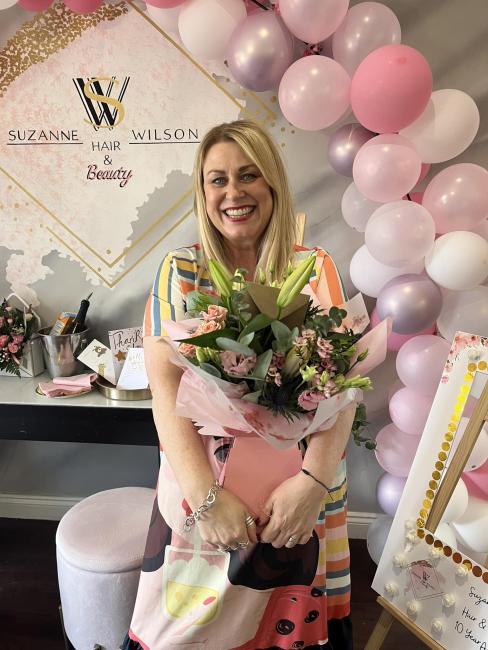
Suzanne Wilson Hair

✓ Verified
Salon based · Billingham, United Kingdom
Our Mission “To create an innovative, authentic, phenomenal hair and beauty experience, that accentuates the unique essence of each stylist or therapists’ craft with…
  • Card payments accepted
  • Parking available
  • Wheelchair accessible venue
4.9 225 reviews
View profile: Suzanne Wilson Hair
Member

Linda Atkinson

Assessor, Educator, IQA · colchester, United Kingdom
Assessor/IQA /IEPA /PGCE Hi , my name is Linda , ​ I started my career as a fulltime college student at the age of 16 where my passion and creativity started to grow…
View profile: Linda Atkinson
Member

Suzanne Wilson

Educator, Hair stylist, Salon owner · Billingham, United Kingdom
My career as a hairdresser has taken many different paths from time to time, starting out as a senior stylist in a salon, to gaining my degree in education and working…
View profile: Suzanne Wilson
The Eastwood Retreat
Treatment Provider

The Eastwood Retreat

Nottinghamshire, GB

Read More >>

Highlighting

Profile picture for user admin
Submitted by Reece on Wed, 09/30/2026 - 12:19

Highlighting lightens selected sections of the hair to add depth, brightness and dimension. A colourist works through the hair using foils, a freehand painting technique such as balayage, or a highlighting cap, applying a lightener or bleach to the pieces being lifted while leaving the rest of your natural colour in place. Depending on the look you want, highlights can be fine and subtle for a sun-kissed effect, or bolder and higher-contrast for a more dramatic finish, and the placement can be tailored to frame your face or brighten the ends. Many appointments finish with a toner or gloss to refine the shade and remove unwanted warmth. Because highlighting usually involves a lightening product, the health of your hair and scalp matters, so a good colourist will assess your hair's condition and colour history first. Results build well when the service is planned around your natural base, your previous colour and how much lift is realistic in one sitting. It is a popular, generally low-risk salon treatment when carried out by a trained colourist, but sensible preparation and honest expectations help you get a result you are happy with and protect the long-term condition of your hair.

Book a consultation, or discuss your goals when you arrive, so your colourist can see your natural base, any existing colour or box dye, and the condition of your hair before deciding what is achievable. Bring reference photos and be honest about home colour, henna or previous lightening, because these affect how evenly the hair lifts and whether the target shade is realistic in one visit. Arrange your allergy alert (patch) test in good time if a toner, gloss or tinted product will be used, typically at least 48 hours beforehand. Coming with hair that is not freshly washed on the day is often fine, as a little natural oil can help protect the scalp, but follow your salon's specific advice. Avoid booking straight after a fresh keratin or other chemical service, and mention any recent illness, medication, scalp conditions or sensitivity. If your hair is already dry or compromised, ask about a strengthening plan first so the lightener works on healthier hair.

Your colourist will usually start by talking through the look you want and checking your hair's condition and colour history. The lightener is then applied to the chosen sections, either wrapped in foils, painted freehand and left open, or pulled through a cap. You may sit with the product processing for a while, sometimes under heat, and your colourist will check the lift regularly rather than leaving it to a fixed time. Once the desired level is reached, the hair is rinsed, and a toner or gloss is often applied to neutralise brassiness and perfect the shade. Most appointments finish with a conditioning or bond-building treatment, a shampoo and a blow-dry so you can see the result. A full head of highlights takes longer than a partial or face-framing set. Throughout, tell your colourist if you feel any stinging, burning or discomfort on the scalp so they can act promptly.

For the first couple of days, try to avoid washing your hair too soon so the toner and cuticle can settle, then switch to a gentle, sulphate-free shampoo and a conditioner suited to lightened hair. Lightened strands are more porous, so a regular deep-conditioning or bond-building mask helps keep them strong and glossy. Colour-safe and purple or blue toning products can help hold your shade and control unwanted warmth between visits, but use toning shampoos sparingly to avoid over-cooling the tone. Protect your hair from excessive heat by using a heat protectant and keeping tools at a moderate temperature, and shield it from strong sun, chlorine and salt water, which can fade and dry the colour. Trims help keep porous ends looking healthy. If your scalp feels irritated after the appointment, keep the area gentle and clean, and seek advice from your salon or a pharmacist. Contact your colourist if the tone or condition is not what you expected.

The most important safeguard is a trained, insured colourist who assesses your hair and scalp before applying any lightener. Lightening products are strong chemicals, so correct mixing, timing and placement matter, and the person doing your hair should monitor the lift rather than leaving it unattended. Bleach applied to a broken, irritated or freshly shaved scalp raises the risk of stinging and burns, so flag any cuts, sores or scalp conditions beforehand. If a toner, gloss or any product containing dye is used, an allergy alert test carried out in advance is essential, because reactions to colourants can be serious. Overlapping lightener onto previously bleached hair, or trying to force too much lift in one sitting, is a common cause of breakage, so trust your colourist if they advise a gradual approach. Always speak up during the appointment if you feel heat, stinging or pain on the scalp so it can be rinsed promptly.

Highlighting is a cosmetic service rather than a medical treatment, but some health factors are worth raising. Tell your colourist about scalp conditions such as psoriasis, eczema or dermatitis, any open sores or recent scalp procedures, and a history of reactions to hair colour, henna or the temporary tattoo ingredient PPD, as these can indicate a higher risk of an allergic response. If you are pregnant or breastfeeding, highlighting is generally considered low risk because the lightener is mostly kept away from the scalp, but you may prefer to discuss it with your midwife or GP and let your colourist know. Mention medications or treatments that affect skin sensitivity or healing. If you have ever had a serious allergic reaction, or experience swelling, breathlessness or a widespread rash after a hair product, seek urgent medical care and avoid further colour until you have spoken to a GP or a qualified dermatologist. When in doubt about your suitability, ask your colourist and your GP before booking.

If your highlights include a toner, gloss or any tinted product, an allergy alert (patch) test is strongly recommended, usually at least 48 hours before your appointment and following the manufacturer's instructions. This matters for your safety and for UK liability: many insurers will not cover a colourist who skips a required test, so its presence protects both you and the salon if a reaction occurs. Importantly, a patch test is not fully conclusive, and sensitivities can build over time, so a previous clear result does not guarantee future safety, which is why reputable salons retest periodically and whenever the product or your circumstances change. Pure lightener applied only to the hair lengths may not need the same test, but tell your colourist about any past reaction so they can decide on the right checks and record your consultation. A strand test may also be used to see how your hair lifts.

Be cautious if a salon offers to use a toner or tinted product with no allergy alert test and no questions about your history, or dismisses a previous reaction to colour. Rushing you into maximum lift in a single visit on already-bleached or fragile hair, or overlapping bleach onto previously lightened sections, risks breakage and is a warning sign. Applying lightener to a cut, sore or irritated scalp, ignoring you when you report stinging or burning, or leaving product on far beyond the point of even lift are all concerns. Vague answers about the products used, no consultation, unrealistic promises of platinum results from a dark base in one sitting, and poor hygiene or reused, dirty tools should all give you pause. Any severe scalp pain, blistering or significant hair snapping means the service should stop.

A good colourist gives you a proper consultation, checks your natural base, colour history and hair condition, and is honest about what is realistically achievable in one visit. They arrange an allergy alert test where a toner or tinted product is involved, keep clear records, and explain their plan and any risks in plain terms. Expect careful, monitored application, regular checks on the lift rather than a rigid timer, and a willingness to advise a gradual approach to protect your hair. Clean tools, tidy sectioning, bond-building or conditioning support, and a toner to refine the finish all signal care. They should welcome your questions, encourage you to speak up about any scalp discomfort, give you tailored aftercare advice, and hold appropriate professional qualifications and insurance.

  1. Based on my natural base and colour history, how much lift is realistic in one visit and will I need more than one appointment?
  2. Will you use a toner or tinted product, and do I need an allergy alert test beforehand?
  3. How will you protect the condition of my hair, and do you offer bond-building or conditioning support?
  4. Which technique do you recommend for the look I want, foils, balayage or a cap, and why?
  5. How often will I need to come back for maintenance and roughly what will that cost?
  6. What are your qualifications and are you fully insured for colour services?

During processing you may feel a gentle warmth from the lightener, a slight tightness where foils sit close to the scalp, and the weight of the foils themselves. Some people notice a mild tingling, but you should not feel genuine stinging, burning or pain, and any of these means the product should be checked or rinsed straight away, so always tell your colourist. Toner tends to feel cool and comfortable. The rinse and any bond or conditioning treatment usually feel pleasant. Afterwards your hair may feel a little drier or more textured until it is conditioned, which is normal for freshly lightened hair.

Highlighting has essentially no downtime, and most people return to normal activities straight away. Your hair may feel slightly drier or more porous at first, which good conditioning usually settles within a few washes. If a lightener has been used close to the scalp, a little tenderness or sensitivity can occasionally occur and normally eases quickly. Any genuine burning, blistering, weeping or significant breakage is not expected and should prompt you to contact your salon and, if the skin is affected, seek medical advice. Otherwise, no recovery period is needed.

How long highlights look their best depends on the technique, how much lift was done and how you care for your hair. Foiled highlights that start near the roots show regrowth sooner, often around every six to eight weeks, while balayage and painted, lived-in looks can stretch to around three to four months because the grow-out is softer. Toner and gloss fade faster than the lightening itself, so a refreshing toner between full appointments can revive brightness and control brassiness. Using colour-safe, gentle products, deep conditioning regularly, minimising heat and protecting your hair from sun, chlorine and salt water all help the result last and keep the tone true. Your colourist can tailor a maintenance schedule to your budget and how much upkeep you want, and lower-maintenance placements are worth discussing if you prefer fewer visits. Regular trims keep the more porous ends looking healthy as the colour grows out.

Treatment provider

Ladybird Hair and Beauty Salon

Clinic based, Salon based · Enfield, United Kingdom
View profile: Ladybird Hair and Beauty Salon

Hair Colouring Services

Profile picture for user admin
Submitted by Reece on Wed, 09/30/2026 - 12:19

Hair colouring covers a broad family of services, from full-head permanent colour and root touch-ups to highlights, balayage, toner, semi- and demi-permanent shades, and grey coverage. The right choice depends on your natural base, hair condition, the look you want and how much upkeep suits your life. Permanent and many long-lasting colours work by opening the hair's outer layer and depositing pigment, which is why a professional assessment of your hair's health and history matters as much as the shade card. Lighter, more dramatic changes usually involve bleach or high-lift colour and place more stress on the hair, so a skilled colourist will often stage bigger transformations over more than one visit to protect condition. A good salon treats colour as a plan rather than a single appointment, discussing tone, maintenance and realistic timescales up front. Results can be tailored closely to you, whether you want a subtle few shades of warmth, seamless grey blending, or a bold all-over change. The most important safety point is allergy testing before any colour that develops on the skin or scalp, because reactions to ingredients such as PPD can be serious, and UK best practice has recently been harmonised across the industry.

Service
Hair colouring services

The single most important step is an allergy alert test before any colour containing developing dyes, arranged at least 48 hours ahead in line with your salon's and the manufacturer's instructions. Tell your colourist about any previous reactions to colour, henna or temporary tattoos, and about pregnancy, medication, or scalp conditions such as psoriasis or broken skin. Come with a clear idea of the look you want, and bring photos, but be open to honest advice about what your natural base and hair condition will allow. It usually helps to arrive with hair in its normal state rather than freshly washed, as natural oils offer some scalp protection, though follow any specific salon guidance. Avoid other harsh scalp treatments in the days beforehand. If you are considering a big change from dark to light, expect a discussion about staging it over several sessions. Mention any previous box dyes or henna, as these can react unpredictably with professional colour.

Your appointment usually begins with a consultation covering your goals, hair history and a check that your allergy test is in date. The colourist assesses your natural level, any existing colour, and your hair's condition, and may take a strand test to preview how the hair will take the colour and time it correctly. Colour is then applied by hand, foils, balayage board or a combination, depending on the technique. Permanent colour and bleach need a development period during which you relax with the product processing, and your colourist will check progress rather than relying on the clock alone. Lightening services are monitored closely to protect the hair. Once developed, colour is rinsed, often followed by a toner, treatment or gloss to refine the shade and condition. A cut, blow-dry or style usually finishes the visit. Timings vary widely, from around forty-five minutes for a root touch-up to several hours for a full transformation with highlights and toning.

To keep colour looking its best, wait around 48 to 72 hours before your first wash so the colour can settle, then use a sulphate-free, colour-safe shampoo and conditioner. Washing less often and using cooler water helps colour last, as heat and frequent shampooing speed fading. A weekly mask or bond-building treatment supports condition, which matters most after lightening. Heat styling is easier on colour-treated hair when you use a heat protectant and moderate temperatures. Sun, chlorine and salt water can all dull and shift tone, so protect your hair with a hat or a UV-protective product on holiday and rinse after swimming. Book toning or gloss top-ups as advised to refresh brightness between full colours. If any scalp itching, redness, swelling or discomfort develops after your appointment, wash the area, stop using the product and seek medical advice, and let the salon know. Blonde and grey tones in particular benefit from a purple shampoo used occasionally to counter brassiness.

The cornerstone of safe colouring is allergy testing before any product that develops on the skin, because ingredients such as para-phenylenediamine, known as PPD, can cause reactions that range from mild irritation to, rarely, severe swelling. UK trade bodies including the NHBF, the Hair Council, BABTAC and the CTPA have recently harmonised their approach, so ask which recognised testing method your salon uses. A responsible colourist works from a full consultation and record, monitors development closely rather than leaving you unattended for long periods, and stops immediately if you report burning, stinging or discomfort. Bleach and high-lift work should be handled by someone experienced who will protect your hair's integrity, sometimes by staging the change. Good barrier protection around the hairline, clean sectioning and correct mixing all reduce risk. If you have a known colour allergy, a professional can advise on PPD-free or alternative options, though these are not risk-free either. Never assume a colour is safe simply because you have used it before.

Mention any health conditions, medication and allergies at consultation, as some affect whether or how colour should proceed. A history of any reaction to hair colour, black henna tattoos, or rubber and dye-based products raises the risk of a serious allergic response and needs careful discussion before going ahead. Scalp conditions such as eczema, psoriasis, or any broken, weeping or infected skin usually mean waiting until the skin has healed, since colour on compromised skin increases absorption and irritation. If you are pregnant or breastfeeding, current advice is that occasional professional colour is generally considered low risk, but many people choose highlights that avoid direct scalp contact, and it is sensible to raise it with your midwife or GP if unsure. Certain medications and treatments can affect the scalp or hair, so flag anything relevant. If you have ever had a severe reaction such as facial swelling or breathing difficulty after colour, do not proceed without medical advice, as this can indicate a significant allergy.

Yes. An allergy alert test is the key pre-treatment check for any colour that develops on the skin, and UK best practice is to carry it out at least 48 hours before your appointment following your salon's and the manufacturer's chosen protocol. It matters because reactions to dyes such as PPD can be serious, and because skipping it can leave an insured salon found at fault if a client makes a claim. The industry has moved to a harmonised approach, which may involve an in-salon allergy alert test or a recognised licensed home screening test, so ask which your salon uses. Testing is not fully conclusive, as sensitivities can build over time and you can react even after years of trouble-free colouring, which is why retesting is advised whenever there is a gap, a product change or any past reaction.

Be cautious if a salon offers to colour you with no allergy test, waves it away because you have been coloured before, or posts you dye from the manufacturer's packaging to test at home, which is against industry best practice. Reluctance to give a proper consultation, refusal to discuss your hair history or previous box dyes and henna, or promises of a dramatic dark-to-light change in a single rushed visit regardless of your hair's condition are warning signs. Leaving you unattended with bleach processing for long unmonitored periods, ignoring you when you say the scalp is burning or stinging, or dismissing questions about ingredients and PPD all suggest poor practice. Any pressure to proceed despite a known past reaction should be treated as a serious red flag.

Good salons insist on an in-date allergy test and can explain which recognised, harmonised testing method they follow. They take a thorough consultation, note your hair history, previous colours and any reactions, and keep signed records. A strand test to preview colour take, honest advice about what is achievable, and a willingness to stage bigger changes to protect your hair all signal a careful professional. Expect clean sectioning, barrier protection around the hairline, close monitoring of development rather than clock-watching, and a colourist who stops and checks if you feel any discomfort. Clear guidance on maintenance, aftercare and realistic timescales, plus appropriate insurance and up-to-date training, are further marks of a trustworthy salon. They should welcome your questions and never pressure you into a colour you are unsure about.

  1. Which allergy testing method do you use, and how far in advance do I need to come in for it?
  2. Given my natural colour and hair condition, is the look I want achievable, and will it take more than one visit?
  3. I have previously used box dye and henna on my hair, so how might that affect the colour or bleaching?
  4. Will you do a strand test, and how will you protect my hair's condition during lightening?
  5. What ongoing maintenance, toning and aftercare will this colour need, and what will it cost?
  6. Are you insured and trained for this service, and what happens if I have a reaction?

During application you may feel the colour being combed through and a light coolness or mild tingling on the scalp, which is common and usually settles quickly. Bleach and high-lift products can create a warmer sensation as they process, but this should stay comfortable rather than painful. Genuine burning, stinging, intense itching or throbbing is not normal and you should tell your colourist straight away so the product can be removed. The scalp may feel slightly sensitive afterwards, especially following lightening, and hair can feel drier or more textured until conditioned. Any redness, swelling or spreading discomfort in the hours or days after your appointment should be treated as a possible reaction and checked by a medical professional.

There is normally no downtime after hair colouring and you can return to your day straight away. The main recovery consideration is hair condition rather than the scalp, especially after bleaching or a big lift, where hair can feel drier or more fragile for a while and benefits from gentler handling and conditioning treatments. Any mild scalp tingling during processing should settle quickly once colour is rinsed. Genuine downtime only arises if you have an allergic reaction, which is why the pre-treatment allergy test matters. If you notice increasing redness, itching, swelling or blistering of the scalp, face or neck in the hours or days afterwards, treat it as a reaction, seek medical advice and contact the salon.

How long colour lasts depends on the type. Semi- and demi-permanent shades gradually fade over several weeks, while permanent colour and grey coverage stay put but reveal regrowth at the roots, so touch-ups are typically needed every four to eight weeks depending on how fast your hair grows and how visible the contrast is. Balayage and highlights are designed to grow out more softly and can stretch maintenance to several months, which suits a lower-upkeep routine. Blonde and lightened hair usually needs regular toning to keep tone fresh and counter brassiness. Colour can be tailored to your maintenance appetite, so tell your colourist if you want a look that grows out gracefully rather than demanding frequent visits. Using colour-safe, sulphate-free products, washing less often, protecting hair from heat, sun and chlorine, and keeping condition up with treatments all help colour last longer and look richer between appointments. Regrowth touch-ups, gloss refreshes and periodic condition-focused visits keep the overall result looking its best.

Member

Emma Jarvis

Business coach, Educator, Hair stylist · Gt Yarmouth, United Kingdom
The THB Academy The THB Academy is more than just an educational platform—it’s a community-driven movement to empower stylists and revolutionise how we approach curly…
View profile: Emma Jarvis
Treatment provider

Suite B Hair and Skin Lounge

★ Expert
Salon based, Spa · Issaquah, United States
Award-winning hair and skin lounge in Issaquah, WA. Advanced skincare, microcurrent facials, hair, waxing, lashes and beauty from esthetician Brooke Kennedy.
  • Card payments accepted
4.9 223 reviews
View profile: Suite B Hair and Skin Lounge

Pagination

  • Current page 1
  • Page 2
  • Next page ››
  • Last page Last »
The Hair and Beauty Directory

Newsletter

For professionals

  • Jobs
  • Classifieds
  • Join
  • Rent a room
  • Business Courses
  • Create your Profile
  • Pricing
  • Advertising with us

Explore

  • Advertise your courses
  • Search
  • Events
  • Find a professional
  • New to the industry
  • Articles & Blogs
  • What is verification?

Guidance

  • Inclusivity
  • HIV Awareness
  • Safety & Boundaries

Company

  • How it works
  • Terms and conditions
  • Contact
  • About Us

© 2026 HABD Limited. All rights reserved.

Members in 14+ countries