The Hair and Beauty Directory
  • Home
  • How it works
  • Search
  • About
  • Blog
  • Join
  • Business Courses
  • Contact us
  • Events
  • Jobs
Log in
Sign up
  • All
  • Professionals
  • Training
  • Jobs
  • Rooms
  • Classifieds
  • Brands
  • Academies
  • Events ›

Filters

Clear all
Applied
  • "Sugaring" (remove)×

Search for what actually matters to you

Accessibility and inclusivity
  • Oncology safe
  • Menopause informed
  • Neurodiverse friendly
  • Wheelchair accessible
  • Fragrance free
  • Quiet appointments
  • Low sensory
  • HIV inclusive
  • Trans-inclusive
  • Pregnancy safe

Search results

11 results for Sugaring

Event

International Sugaring Convention 2027 Cleveland

7 – 9 Aug 2027 · Beauty, Competition · Venue to be announced, Cleveland
Sugar Con 2027, the International Sugaring Convention, runs from 7 to 9 August in Cleveland, Ohio, with a vendor marketplace, education and the sugaring championship.
  • Early bird offers
  • Speaker lineup / guest experts
  • Sponsorship/exhibitor opportunities
View event: International Sugaring Convention 2027 Cleveland
Event

SWWON Summit 2026

19 – 20 Sep 2026 · Beauty, Conference · United States
SWWON Summit 2026 is the premier sugaring and waxing summit for beauty professionals, held 19-20 September 2026 in San Diego, focused on education, networking and…
  • Networking opportunity
  • Speaker lineup / guest experts
  • Workshops or interactive classes
View event: SWWON Summit 2026
Member

Jamie Renee

Aesthetician, Educator, Skin specialist
View profile: Jamie Renee

Sugaring

Profile picture for user admin
Submitted by Reece on Wed, 09/30/2026 - 12:19

Sugaring is a natural hair-removal method that uses a paste made from sugar, lemon juice and water to lift hair from the follicle. The paste is applied against the direction of growth and flicked away in the direction the hair grows, which can mean less breakage and, for many people, less discomfort than traditional waxing. Because the paste is water-soluble and applied at around body temperature rather than hot, there is typically a lower risk of burns and it rinses away easily. It can be used on most areas, including legs, arms, underarms, face, bikini and intimate areas, and it tends to suit sensitive skin and those prone to ingrown hairs. As with any hair removal that pulls from the root, results build over time and regrowth often feels softer with regular sessions. Sugaring is a cosmetic treatment rather than a medical one, so the priorities are good hygiene, a skilled practitioner and honest expectations. It is not a permanent solution and is not a treatment for skin conditions. If you have a skin complaint, take certain medicines or have very sensitive or compromised skin, it is worth discussing this before you book.

Service
Sugaring

For the paste to grip properly, hair usually needs to be around 3 to 6mm long, roughly the length of a grain of rice, which is often about two to three weeks of growth. Avoid shaving in between if you can, as short stubble is harder to remove cleanly. In the day or two before, skip strong exfoliants, retinoids, acids and fragranced products on the area, and avoid sunbeds, sunbathing or a hot bath just before your appointment, as freshly heated or sensitised skin reacts more. Arrive with clean, dry, product-free skin so the paste can adhere. It helps to avoid caffeine and, where possible, not to book in the few days before a period, when skin can feel more sensitive. Tell your practitioner in advance about any medicines, recent treatments or skin conditions so they can confirm the area is suitable and adjust their approach. If it is your first session, a short chat about what to expect can make the process more comfortable.

Your practitioner will usually start by cleansing the area and sometimes dusting it with powder to keep the skin dry. A ball of warm, malleable sugar paste is worked onto the skin against the direction of hair growth, then flicked off swiftly in the direction the hair grows, taking the hair from the root. The same piece of paste can often be reused across an area during your session, and because it is water-soluble any residue rinses away easily rather than needing oils or strong removers. Most people find each removal is a quick sting that fades fast, and sensitive spots such as the bikini line or underarms are usually the most noticeable. The practitioner may stretch the skin to make removal cleaner and more comfortable, and may go over an area more than once to catch stray hairs. A soothing lotion or gel is typically applied at the end. Do let them know if anything feels too uncomfortable so they can adapt their pace or technique.

For the first 24 to 48 hours the skin can be a little pink and sensitive, so treat it gently. Avoid heat and friction, meaning hot baths, showers, saunas, steam rooms, swimming pools and heavy exercise, as sweat and warmth can irritate freshly treated follicles. Skip perfumed products, self-tan, deodorant on underarms and tight synthetic clothing over the area for a day or so, and keep the skin clean to lower the risk of spots or irritation. After a couple of days, gentle regular exfoliation and a light unfragranced moisturiser help keep the skin smooth and reduce ingrown hairs as the hair grows back. Protect the area from strong sun and use sunscreen once any redness has settled, since freshly exfoliated skin is more vulnerable to burning and pigment changes. If you notice anything beyond mild redness, such as spreading soreness, weeping or signs of infection, contact your practitioner or GP.

Sugaring is lower risk than many treatments, but good practice still matters. Choose a trained, insured practitioner working in a clean environment with a fresh, single-use ball of paste for each client, or a portion drawn from a pot in a way that never double-dips back into shared product, so bacteria are not passed between clients. Gloves, clean couch roll and sanitised surfaces are all reasonable to expect. The paste should feel warm and pliable, not hot, and should not be applied to broken, inflamed, sunburnt or infected skin, or over moles, warts, varicose veins or areas of active eczema or psoriasis. A brief consultation should cover your skin, medicines and any recent treatments before work begins. Because the intimate area and face have more delicate skin, these need extra care and an experienced practitioner. If you feel faint, in a lot of pain or notice the skin lifting or tearing, ask them to stop.

Sugaring pulls hair from the root, so some medicines and conditions make skin more fragile or prone to tearing and pigment change. If you take or have recently taken the acne medicine isotretinoin (Roaccutane), most guidance advises waiting at least six months after finishing before any waxing or sugaring, as skin can lift or scar. Topical retinoids, prescription acid treatments, strong exfoliating acids and some antibiotics can also thin or sensitise the skin, so tell your practitioner and consider pausing them on the area first. Blood-thinning medication, diabetes, poor circulation, fragile or easily bruised skin and conditions such as eczema, psoriasis or active infection all need caution and sometimes a doctor's input. Sugaring is generally considered gentle in pregnancy, but skin can be more sensitive, so mention it. This is general information and not medical advice; if you are unsure whether it is safe for you, speak to your GP or the prescriber before booking.

A formal allergy patch test is not usually required for sugaring, because the paste is a simple mix of sugar, water and lemon with no dyes or harsh chemicals, so true allergy is uncommon. What matters more is a proper pre-treatment consultation and a check of your skin and medical history. Your practitioner should ask about medicines such as Roaccutane, retinoids, acids and blood thinners, any skin conditions, recent sun exposure or other treatments, and confirm the area is intact and healthy. If you have very reactive skin or are trying a new area, a small test patch on a discreet spot a day or two ahead is a sensible way to gauge how your skin responds. This checking process protects you and reduces the risk of a practitioner being found at fault if a reaction or skin injury occurs, which is why a good salon will not skip it.

Be cautious if the practitioner cannot show training or insurance, or reuses the same paste or spatula between clients in a way that double-dips into shared product. Paste that feels hot rather than warm, or being talked into treatment over sunburnt, broken, infected or very inflamed skin, or over moles and varicose veins, are warning signs. No questions about your medicines, skin or recent treatments before starting suggests corners are being cut. A dirty couch, no clean couch roll, no gloves where you would expect them, or a practitioner who dismisses your discomfort or promises permanent results should all give you pause. If the skin is lifting or tearing during removal, that is not normal and treatment should stop.

A good sign is a practitioner who is trained, insured and happy to talk through their experience. Expect a short consultation about your skin, medicines and recent treatments, and honest advice if sugaring is not suitable that day. Look for a clean, tidy room, fresh couch roll, gloves where appropriate and either single-use paste per client or a no-double-dip method from the pot. They should check the skin is healthy before starting, apply warm rather than hot paste, work in a way that keeps the skin supported, and listen if you say something is uncomfortable. Clear aftercare advice, realistic expectations about regrowth and a relaxed, unhurried manner all point to a practitioner who takes both hygiene and your comfort seriously.

  1. What training and insurance do you hold for sugaring, and how experienced are you with this area of the body?
  2. How do you keep things hygienic, and do you use fresh paste for each client or avoid double-dipping?
  3. Given my medicines and skin, is sugaring suitable for me today, or should I wait?
  4. How long does my hair need to be, and what should I do to prepare?
  5. What aftercare do you recommend to reduce redness and ingrown hairs?
  6. How will you adjust things if I find a particular area too painful?

Most people describe each removal as a quick, sharp sting that eases within seconds, rather than a lasting pain. Many find it more comfortable than hot waxing because the paste grips the hair more than the skin and is removed in the direction of growth. Sensitive areas such as the bikini line, underarms and upper lip tend to feel it most, and skin can feel warm, tingly or a little tender straight afterwards. Small red bumps around the follicles are normal for a few hours. Discomfort is usually greatest at your first session and often lessens with regular treatments as the hair grows back finer.

Sugaring has little to no real downtime for most people. Expect some redness, warmth and small bumps around the follicles for a few hours, and occasionally up to a day or two on more sensitive areas such as the bikini line. You can normally return to your day straight away, though it is sensible to avoid heat, sweat and friction for 24 to 48 hours. Any tenderness usually settles quickly. If you have a special event, allow a day or two beforehand so redness can calm and the skin looks its best.

Smooth results from sugaring typically last around three to six weeks, depending on your natural growth cycle and the area treated. Because hair is removed from the root, regrowth is soft rather than stubbly, and with regular sessions many people find hair comes back finer and more sparse over time. For the best results, keep to a rough four to six week rhythm so hair reaches the length needed to grip, and avoid shaving in between, which resets growth to a blunt stubble. Gentle exfoliation a couple of times a week from a day or two after treatment, along with light moisturising, helps keep skin smooth and reduces ingrown hairs. Sugaring is not permanent, so ongoing sessions are needed to maintain the result. Results can be tailored to you by treating only the areas you want and adjusting how often you come in to suit your regrowth and comfort.

Treatment provider

Suite B Hair and Skin Lounge

★ Expert
Salon based, Spa · Issaquah, United States
Award-winning hair and skin lounge in Issaquah, WA. Advanced skincare, microcurrent facials, hair, waxing, lashes and beauty from esthetician Brooke Kennedy.
  • Card payments accepted
4.9 223 reviews
View profile: Suite B Hair and Skin Lounge
Event

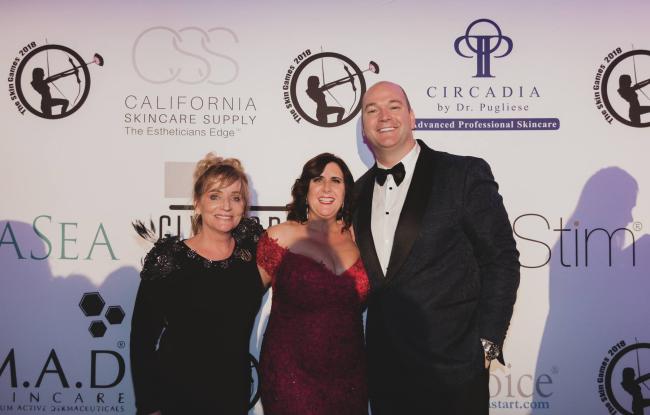
The Skin Games

9 – 11 Sep 2027 · Awards, Beauty · Texas
The Skin Games is a leading skincare competition for estheticians and skin professionals, with awards, education and networking across the US.
  • Accessibility features (e.g. subtitles, wheelchair access)
  • Child-free / professional environment only
  • Disabled access
View event: The Skin Games
Course

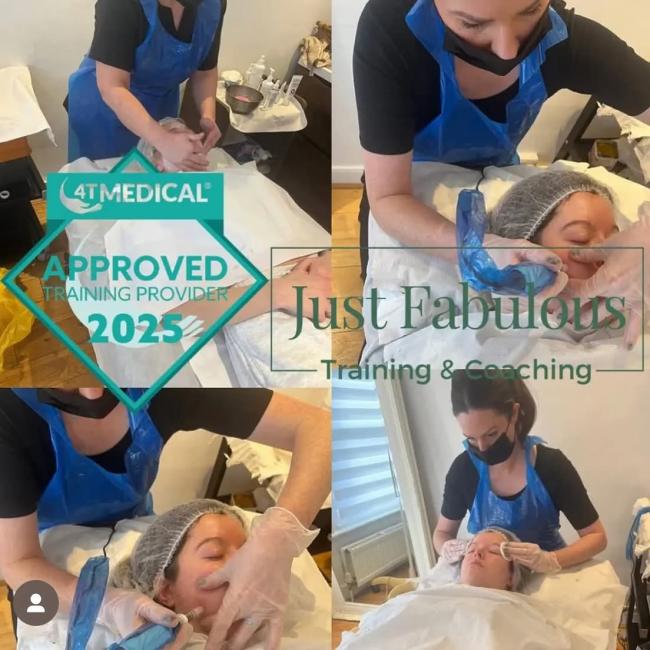
Microneedling/chemical peel package

Offered by Just Fabulous Training Course · kent, United Kingdom
The Microneedling and Chemical Peel Package is a comprehensive, hands-on training programme designed for qualified skin professionals ready to expand their treatment…
View course: Microneedling/chemical peel package
Member

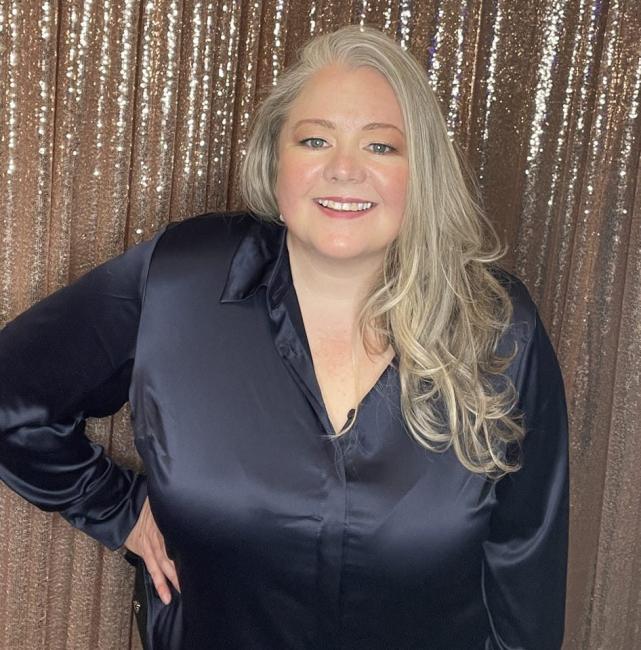
Helen Ward

Assessor, Beauty therapist, Brow specialist · Durham, United Kingdom
Multi-award-winning beauty therapist, salon founder & educator based in Durham. Specialist in advanced skincare, lash treatments & massage. Nearly 30 years' experience.
View profile: Helen Ward

Body Scrubs

Profile picture for user admin
Submitted by Reece on Wed, 09/30/2026 - 12:19

A body scrub, sometimes called a body polish, is a relaxing spa treatment that gently exfoliates the skin from the neck down. Your therapist massages an abrasive product, typically salt, sugar or ground fruit stones blended with oils, across the body to lift away dead surface skin cells, then rinses it away to leave the skin feeling soft and smooth. It is one of the gentler, lower-risk beauty treatments, and many people enjoy it purely as a pampering, feel-good experience. Beyond the pleasant, silky finish, exfoliation can help skin feel refreshed and can prepare it for even tanning or better absorption of moisturisers. Body scrubs work only on the surface layer of skin, so it is honest to say they smooth and brighten the look and feel of skin rather than treating any medical skin condition. The intensity can usually be tailored to what you want, from a light, gentle polish to a more vigorous scrub, and your therapist should adjust pressure and product to suit your skin. A typical treatment lasts around 30 to 45 minutes, often finishing with a warm shower and an application of body lotion or oil.

Service
Body Scrubs

Little preparation is needed, which is part of the appeal. It is courteous, and more comfortable for you, to shower on the day so the skin is clean before your appointment. Avoid shaving, waxing or any other hair removal in the 24 hours beforehand, because freshly exfoliated or de-haired skin can be more sensitive and prone to stinging. If you have recently had a lot of sun, sunburn or a spray tan you want to keep, mention this when booking, as scrubbing will lift a tan and should not go over burnt skin. Tell your therapist in advance about any allergies, particularly to nut oils, essential oils or fragrances, so a suitable product can be chosen. Wear or bring underwear you are happy to get a little oily, and let the salon know about any skin conditions, pregnancy or medical concerns so they can plan the treatment around you.

You will usually lie on a heated, towel-covered treatment couch, with towels used to keep you warm and protect your modesty as only the area being worked on is uncovered. Most people keep their underwear on. The therapist applies the scrub and works it over the skin in sections, using massage-style movements that range from gentle to more invigorating depending on your preference. It should feel pleasantly stimulating rather than painful, so speak up if the pressure is too firm. The product is then rinsed or wiped away, sometimes with warm towels, a handheld shower or a wet room, and the treatment often finishes with moisturiser, body butter or oil smoothed into the skin. Expect the room to be warm and calming, with quiet music. The whole experience typically takes 30 to 45 minutes and leaves the skin feeling clean, soft and refreshed.

Your skin will be freshly exfoliated, so treat it kindly for a day or two. Keep it well moisturised, as this locks in the smooth feeling and supports the skin barrier. Because newly polished skin can be a little more sensitive to sunlight, it is wise to cover up or apply a broad-spectrum SPF before going out in strong sun, especially if fragranced or citrus-based products were used, as some can make skin more sun-reactive. Avoid very hot baths, saunas, swimming pools, heavily perfumed products and further exfoliation for around 24 hours, giving the skin time to settle. Drink plenty of water and wear soft, loose clothing if the skin feels a little tender. If you booked the scrub before a spray tan, this is usually the ideal moment to apply it, as the smooth surface helps the colour go on evenly. Contact the salon if any unexpected redness or irritation lingers.

This is a gentle, surface-level treatment, but a few sensible steps keep it safe and enjoyable. Choose a trained, insured therapist working in a clean environment with fresh towels and hygienically handled products. A good salon will ask about your health, skin type and allergies before starting and will adjust the product and pressure accordingly. The scrub should only be used on healthy, intact skin, never over cuts, grazes, sunburn, eczema flare-ups, rashes, infections or areas of very thin, fragile skin. Essential oils and fragrances used in some scrubs can irritate sensitive skin or react with sunlight, so flag any sensitivities. Let your therapist know if you are pregnant, have diabetes with reduced skin sensation, fragile or easily bruised skin, or take blood thinners, as pressure and product may need adjusting. Tell them immediately if anything stings or feels uncomfortable during the treatment so they can lighten the touch or stop.

A body scrub is a cosmetic, not a medical, treatment and makes no claim to treat or cure any condition. Even so, it is worth sharing relevant health information at consultation. If you have a skin condition such as eczema, psoriasis, dermatitis or rosacea, active infection, or very fragile or thin skin, exfoliation may aggravate it, so check with your GP or dermatologist first and expect the therapist to avoid affected areas. People with diabetes, particularly with reduced sensation in the skin, poor circulation or a tendency to bruise, and those taking blood-thinning medication or the acne drug isotretinoin (Roaccutane), should mention this, as scrubbing may not be suitable. Pregnancy is often treated with extra caution, and some spas prefer to wait until after the first trimester or use gentler products and positioning. If you are unsure whether a scrub is right for you, ask your GP or the salon before booking rather than on the day.

A skin patch test is not routine for body scrubs, but a proper pre-treatment consultation and contraindication check does the same protective job. Because scrubs can contain nut oils, essential oils and fragrances, a responsible therapist should ask about allergies and skin conditions and, if you have reactive or allergy-prone skin, may test a small amount of product on a discreet area first. This matters for your comfort and for UK liability, as an insured practitioner is expected to take a reasonable history and avoid known risks. Sharing accurate information about allergies, medication and skin health helps them choose a suitable product and reduces the chance of a reaction. Remember that no single check is fully conclusive and sensitivities can develop over time, so always report any new reaction to a product you have used before.

Be cautious if a salon skips any consultation and does not ask about your allergies, medication or skin conditions before starting. It is a warning sign if a therapist insists on scrubbing over broken skin, sunburn, rashes, an eczema or psoriasis flare, or very fragile skin, or ignores you when you say the pressure hurts. Dirty towels, reused or unhygienically handled products, or a therapist who cannot tell you what is in the scrub are all reasons to pause. Pain that goes beyond mild stimulation, or a scrub so harsh it leaves the skin raw, scratched or bleeding, is not normal for this gentle treatment. Pushy upselling of unrelated medical-sounding claims, such as promising to cure a skin condition or remove cellulite permanently, should also make you wary.

A good salon takes a short health and allergy history before your treatment and adjusts the product and pressure to your skin and preferences. The environment is clean and warm, with fresh towels and hygienically handled products, and the therapist explains what they are using and checks in on comfort throughout. They are trained and insured, happy to answer questions and honest about what a scrub can and cannot do, describing it as a cosmetic polish rather than a cure for any condition. They avoid broken, sunburnt or irritated skin, respect your modesty with careful towel work, and offer aftercare advice such as moisturising and using SPF. Being willing to use a gentler product or test an area for sensitive, allergy-prone skin is another sign of responsible, client-focused practice.

  1. What type of scrub do you use, and can you tell me the main ingredients in case of allergies?
  2. Can the pressure and intensity be adjusted, and can you use a gentler product if my skin is sensitive?
  3. Is this treatment suitable given my skin condition, pregnancy or medication, or should I check with my GP first?
  4. How do you keep towels and products clean and hygienic between clients?
  5. Should I avoid shaving, waxing, sun exposure or a spray tan before or after the treatment?
  6. Are you trained and insured to carry out body treatments, and what aftercare do you recommend?

Most people find a body scrub relaxing and pleasantly invigorating. You will feel the gritty texture of the product and the pressure of the therapist's hands as they work over the skin, which can feel stimulating, a little tingly and warming, rather like a firm massage combined with light sandpaper. The room is usually warm, and the rinsing stage feels soothing. Afterwards the skin often feels tight in a clean way, then noticeably soft and smooth. Mild pinkness or a slight tingle for a short time is normal, particularly on sensitive areas. What you should not feel is sharp pain, burning or scratching, so tell your therapist straight away if anything stings or feels too rough so they can ease off.

Body scrubs are a low-risk treatment with essentially no downtime, so you can return to your normal day straight away. The skin may look slightly pink and feel warm or tingly for a short while, which usually settles within an hour or two. In most cases the main lasting effect is skin that feels softer and smoother. Anyone with sensitive skin might notice mild tenderness for the rest of the day. If redness, itching or irritation develops or does not ease, treat it gently, keep the area moisturised and contact the salon or your GP if it persists.

Straight after a scrub, the skin looks brighter and feels its softest and smoothest, and many people enjoy the immediately pampered, refreshed sensation. This surface effect is temporary, as the skin naturally renews and dead cells build up again over a week or two, so the polished feeling gradually fades. To maintain it, moisturise regularly, stay hydrated and exfoliate gently at home, perhaps once or twice a week, rather than overdoing it, since too-frequent or harsh scrubbing can leave skin dry, irritated or sensitised. Many people book a professional scrub every four to six weeks, or as an occasional treat, ahead of a holiday, special occasion or spray tan. Because a body scrub polishes the surface only, it is best thought of as ongoing upkeep for soft, smooth-feeling skin rather than a one-off fix or a treatment for any skin condition. Tailor the frequency to your skin type, keeping it gentler if your skin runs dry or sensitive.

Manual Exfoliation (Scrubs)

Profile picture for user admin
Submitted by Reece on Wed, 09/30/2026 - 12:19

Manual exfoliation, often simply called a scrub, uses a product containing gritty particles, such as sugar, salt, ground seeds or synthetic granules, to physically lift away dead cells from the skin's surface. It can be offered on the face as part of a facial or on the body, and the aim is smoother, brighter-feeling skin with a temporary fresh glow. Because the effect is superficial, a scrub is a comfort and radiance treatment rather than a way to treat skin conditions, scarring or deep pigmentation. It works best on healthy skin with an intact barrier, and a good therapist will match the coarseness of the product and the pressure to your skin type. The results are real but short-lived, as your skin naturally sheds cells all the time, so the smoothness typically lasts a few days rather than weeks. Done gently and not too often, exfoliation can help skincare and self-tan apply more evenly. Done too hard or too frequently, it can irritate the skin and weaken its protective barrier, which is why a measured, tailored approach matters far more than an aggressive scrub.

Service
Manual Exfoliation (Scrubs)

Come to your appointment with clean skin and let your therapist know your skin type and any concerns, as this helps them choose the right product and pressure for you. Mention any active skincare you use, particularly retinoids, retinol, acids, benzoyl peroxide or prescription creams, because these already exfoliate or thin the surface and can leave skin more reactive to a scrub. Flag recent sun exposure, sunburn, waxing, or any other facial or peel treatments, and reschedule if your skin is currently broken, inflamed, blistered or sunburnt. If you have sensitive, very dry, eczema-prone or rosacea-prone skin, say so, as a gentler approach or a different treatment may suit you better. Avoid strong actives for a day or two beforehand if advised. For a body scrub, shaving immediately before can leave skin tender, so it is usually kinder to exfoliate first or leave a gap. If you are unsure whether exfoliation is right for a particular concern, ask before booking.

Your therapist will typically cleanse the area first, then apply the scrub and work it in with light, circular movements for a short time before rinsing or wiping it away with lukewarm water. On the face this is usually brief and gentle, while a body scrub may cover larger areas such as the back, legs and arms and can feel more vigorous. The granules provide a grainy, massaging sensation rather than anything sharp, and pressure should stay comfortable throughout. A skilled therapist adjusts the coarseness of the product and how firmly they work based on how your skin responds, easing off on more delicate areas like the cheeks or décolletage. Afterwards your skin is patted dry and usually finished with a moisturiser, oil or serum, and on the face it may lead into the rest of a facial. The whole step often takes only a few minutes as part of a longer treatment. Tell your therapist at any point if it feels too rough, stings or becomes uncomfortable.

Immediately afterwards, keep things simple and soothing. Apply a moisturiser or a gentle, fragrance-free hydrator to comfort freshly exfoliated skin and support the barrier, and drink plenty of water. Your skin can be a little more vulnerable to the sun for a day or two, so use a broad-spectrum SPF on any exposed areas, particularly the face, and avoid deliberate sunbathing or sunbeds. In the first 24 hours it is sensible to skip strong actives such as retinoids, acids, benzoyl peroxide or vitamin C, along with other scrubs, harsh cleansing brushes, very hot water, saunas, steam rooms, chlorinated pools and heavy make-up if your skin feels sensitive. If you have had a body scrub, moisturise generously and wait before applying self-tan, as freshly exfoliated skin can grab colour unevenly. Some mild pinkness or a tight feeling can be normal briefly; if you notice ongoing redness, stinging, flaking or breakouts, pause exfoliation and let your skin recover before your next treatment.

The most important principle is that exfoliation should only be done on healthy skin with an intact barrier, and never on broken, sunburnt, infected, blistered or inflamed skin. More is not better, as over-exfoliation is one of the most common causes of irritation, sensitivity and a damaged barrier, so frequency and pressure should always be tailored to your skin rather than pushed to extremes. A good therapist chooses a product coarseness to match your skin type, keeps pressure gentle, avoids delicate or compromised areas and stops if your skin reacts. Hygiene still matters in a salon, with clean hands, fresh or properly sanitised tools and single-use or clean applicators. Facial scrubs should stay away from the eyes and any active spots. If you use prescription skin treatments or have a diagnosed skin condition, mechanical scrubbing may not be suitable, and gentler alternatives exist. When in doubt, a lighter touch and a conversation with your therapist or a GP or dermatologist is always the safer route.

Manual exfoliation is low-risk for most people, but some conditions call for caution or avoidance. Active acne, rosacea, eczema, psoriasis, dermatitis and very sensitive or thin skin can all be aggravated by physical scrubbing, and mechanical exfoliation may worsen breakouts or trigger flare-ups, so gentler approaches are usually preferred. People with darker skin tones should be particularly cautious with aggressive exfoliation because irritation can lead to post-inflammatory hyperpigmentation. Anyone using retinoids, isotretinoin (Roaccutane), topical acids or other prescription skin medication should generally avoid scrubs while on treatment or check with their prescriber first, as the skin is already more fragile. Recent facial procedures, peels, laser, waxing or sunburn are also reasons to wait. Diabetes, blood-thinning medication and conditions affecting skin healing or sensation mean it is wise to seek advice first. This is a cosmetic treatment and not a substitute for medical care, so any persistent or worsening skin problem, unusual lesion or diagnosed condition should be discussed with a GP or dermatologist rather than managed with exfoliation.

A formal skin patch test is not usually required for a simple scrub, but a proper consultation and skin check beforehand is, and it is the main way to reduce the risk of a reaction. Your therapist should ask about your skin type, conditions, medication and recent treatments, and inspect the area to confirm the skin is healthy and unbroken before starting. If a product contains fragrances, essential oils, nut-derived granules or other potential allergens, mention any known sensitivities, and a small test area can be sensible for reactive skin or a new formulation. This matters for your comfort and for liability: an insured, professional therapist who checks contraindications and works within their scope is far better protected if a client later complains, and you are far less likely to be harmed. Bear in mind that sensitivities can also build up over time, so a product you have tolerated before is not guaranteed to suit you forever.

Be wary if a therapist scrubs firmly regardless of how your skin looks or reacts, ignores your discomfort, or works on skin that is broken, sunburnt, inflamed or actively breaking out. Recommending frequent, aggressive exfoliation as a fix for acne, scarring, deep pigmentation or a diagnosed skin condition is a warning sign, as scrubs cannot achieve this and may make things worse. Skipping any conversation about your skin type, medication or recent treatments, or dismissing concerns about sensitivity, retinoids or Roaccutane, is poor practice. Visibly unhygienic conditions, dirty tools or shared applicators, using coarse or salt-based products on delicate facial skin, or scrubbing close to the eyes should all give you pause. Promises of dramatic, lasting transformation from a scrub are unrealistic. Finally, skin left raw, stinging or bleeding is never a normal outcome and means the treatment was too harsh.

Good practice starts with a friendly consultation, where the therapist asks about your skin type, conditions, medication and recent treatments, and checks that your skin is healthy before beginning. They explain what the scrub will and will not do, set honest expectations, and choose a product and pressure suited to you rather than a one-size-fits-all approach. You should see clean hands, clean or single-use tools and applicators, and a gentle technique using light circular movements, easing off on delicate areas and keeping away from the eyes. A good therapist checks in on comfort during the treatment, stops if your skin reacts, and finishes with a soothing moisturiser and sensible aftercare advice, including sun protection. They will happily suggest a gentler alternative, or recommend seeing a GP or dermatologist, if a scrub is not right for your skin or concern. Clear insurance and relevant training are reassuring signs of a professional.

  1. Is manual exfoliation suitable for my skin type and any conditions I have, such as sensitivity, acne, rosacea or eczema?
  2. What kind of scrub product will you use, and how do you decide the coarseness and pressure for my skin?
  3. I use retinoids, acids or other active skincare, or prescription treatments, so is it safe to have a scrub and should I stop anything beforehand?
  4. How often would you recommend I exfoliate so I do not overdo it and damage my skin barrier?
  5. What aftercare do you advise, and how soon can I use my usual products, sunbathe or apply self-tan?
  6. Are you trained and insured for this treatment, and how do you keep your tools and applicators hygienic?

A scrub usually feels like a grainy, gentle massage, with the granules gliding over your skin as the therapist works in small circles. Most people find it pleasant and mildly stimulating rather than uncomfortable, and it may feel slightly warming as circulation increases. On the face the touch should be light, while a body scrub can feel a little more vigorous over larger areas. It is normal for skin to feel tingly, tight or a touch pink immediately afterwards, and it typically feels noticeably smoother once rinsed. What you should not feel is sharp scratching, burning, stinging or genuine pain, and skin should never be left raw or sore. If anything feels too rough or begins to sting, tell your therapist straightaway so they can ease off or stop.

For most people there is little or no downtime, and you can return to your day straightaway. Skin often feels immediately smoother and looks brighter, though it may be slightly pink or feel a touch tight for a short while, especially on the face or if a coarser product was used. This usually settles within a few hours. Sensitive skin can stay reactive a little longer, so give it time before layering on strong products or booking another exfoliating treatment. If redness, soreness or flaking persists beyond a day or so, treat it as a sign the skin was over-worked, keep to gentle, hydrating care, and hold off on scrubbing until it has fully calmed.

The smoothness and brightness after a scrub are immediate but temporary, because your skin is constantly renewing and shedding cells, so the polished feel typically lasts a few days rather than weeks. Regular gentle exfoliation, alongside good daily moisturising and sun protection, helps keep skin feeling soft and can help other products and self-tan apply more evenly. The key to lasting results is moderation: for most people once or twice a week is plenty, while sensitive, dry or reactive skin may need only once a week or less, and pressure should stay gentle. Over-exfoliating in the hope of better results tends to backfire, causing irritation, sensitivity and a weakened barrier that leaves skin looking worse rather than better. Between professional treatments, follow your therapist's advice on home exfoliation and listen to your skin, easing off if it feels tight, red or sensitised. If you want longer-lasting change for a specific concern, discuss suitable options with a qualified skincare professional or a GP.


Pagination

  • Current page 1
  • Page 2
  • Next page ››
  • Last page Last »
The Hair and Beauty Directory

Newsletter

For professionals

  • Jobs
  • Classifieds
  • Join
  • Rent a room
  • Business Courses
  • Create your Profile
  • Pricing
  • Advertising with us

Explore

  • Advertise your courses
  • Search
  • Events
  • Find a professional
  • New to the industry
  • Articles & Blogs
  • What is verification?

Guidance

  • Inclusivity
  • HIV Awareness
  • Safety & Boundaries

Company

  • How it works
  • Terms and conditions
  • Contact
  • About Us

© 2026 HABD Limited. All rights reserved.

Members in 14+ countries