The Hair and Beauty Directory
  • Home
  • How it works
  • Search
  • About
  • Blog
  • Join
  • Business Courses
  • Contact us
  • Events
  • Jobs
Log in
Sign up
  • All
  • Professionals
  • Training
  • Jobs
  • Rooms
  • Classifieds
  • Brands
  • Academies
  • Events ›

Filters

Clear all
Applied
  • "Deep Cleansing Facial" (remove)×

Search for what actually matters to you

Accessibility and inclusivity
  • Oncology safe
  • Menopause informed
  • Neurodiverse friendly
  • Wheelchair accessible
  • Fragrance free
  • Quiet appointments
  • Low sensory
  • HIV inclusive
  • Trans-inclusive
  • Pregnancy safe

Search results

34 results for Deep Cleansing Facial

Facial Reflexology

Profile picture for user admin
Submitted by Reece on Wed, 09/30/2026 - 12:19

Facial reflexology is a gentle, relaxing complementary therapy in which a trained therapist works reflex points on the face using light pressure, massage and slow, soothing strokes. It draws on the same idea as foot and hand reflexology, that specific points are thought to relate to other areas of the body, combined with facial massage that many people find deeply calming. A session is often used for relaxation, easing stress and tension, and for the pleasant, refreshed feeling it can give the skin through improved local circulation. It is best understood as a wellbeing treatment that supports how you feel, rather than a medical treatment. Facial reflexology should not be seen as a substitute for care from your GP or another qualified healthcare professional, and a good therapist will not claim to diagnose, treat or cure any medical condition. Because the work is on the face, a light oil or balm is usually applied, and the pace is kept slow and gentle to suit delicate facial skin. Many clients find it a nurturing way to unwind, and the experience can be tailored to your preferences, whether you want deep relaxation or a lighter, more energising session.

Service
Facial Reflexology

There is very little you need to do beforehand, which is part of the appeal. Arrive with a clean face where possible, and let your therapist know if you wear contact lenses, as you may be asked to remove them. It helps to avoid heavy makeup, and to mention any skincare you have used recently. Before your first session your therapist should take a short health history and talk through what you would like from the treatment, so be ready to share any medical conditions, medicines, allergies, recent facial procedures such as injectables, peels or laser, and whether you are or might be pregnant. If you have had a facial aesthetic treatment recently, tell your therapist, as they may adjust or postpone work over those areas. Try to avoid a heavy meal, alcohol or too much caffeine immediately beforehand, and give yourself a little time afterwards to rest rather than rushing straight back to a busy schedule, so you get the most from the relaxation.

You will usually lie comfortably on a treatment couch in a warm, quiet room. Your therapist may begin by cleansing your face, sometimes with warm towels, before applying a light facial oil or balm so their hands can move smoothly. Using their fingertips, they work gently across points on the face, forehead, cheeks, jaw and sometimes the ears, scalp and neck, combining reflexology-style pressure with soft massage movements. The pace is deliberately slow and rhythmic, and the pressure should feel comfortable rather than forceful. Many people feel very relaxed and some drift off to sleep. A typical session lasts around forty-five minutes to an hour, though this varies by therapist. You can talk if you wish, or simply rest quietly. Throughout, your therapist should check that the pressure and temperature feel right for you, and you are always free to ask them to adjust anything or to stop. If you would prefer a lighter touch or want to focus on particular areas of tension, say so at the start.

After a session it is sensible to take things gently for a little while. Drinking a glass of water and resting for a few minutes can help you feel grounded before you leave. Many therapists suggest keeping your face free of heavy makeup for an hour or so afterwards, and being kind to your skin with your usual gentle products. It is common to feel deeply relaxed, and occasionally a little tired, lightheaded or emotional as you settle, so take care if you are driving straight away. Some people notice minor short-lived responses such as mild headache, tiredness or slight changes in sleep or mood in the first day; these typically pass quickly. Drinking plenty of water and avoiding alcohol and excess caffeine for the rest of the day can help. If you have sensitive skin, watch for any redness or irritation from the oils used and cleanse gently if needed. Should anything feel unusual or persistent, contact your therapist, and speak to your GP about any health concern.

Facial reflexology is a low-risk, non-invasive treatment, but choosing a well-trained, insured therapist still matters. In the UK, complementary therapies like this are not underpinned by a single statutory register, so look for someone who has completed a recognised facial reflexology qualification and who holds professional insurance, ideally with a reputable membership body such as the Federation of Holistic Therapists or the Association of Reflexologists. A good therapist works to clear hygiene standards, washes their hands, uses clean towels and fresh or well-sanitised products, and keeps their nails short and smooth for comfortable work on the face. They should take a proper health history, respect your contraindications, and never make medical claims or promise to treat a specific illness. They should also explain that facial reflexology complements, and does not replace, care from your GP. If you are managing a health condition, are pregnant, or take regular medication, mention it so your therapist can adapt the session or, where appropriate, suggest you check with your doctor first.

Although gentle, facial reflexology is not suitable for everyone at every time, so an honest health history is important. Let your therapist know if you are pregnant, especially in the first trimester, as many therapists prefer to take extra care or postpone. Active skin problems on the face, such as infections, cold sores, unhealed wounds, severe acne, sunburn or inflammatory flare-ups, are usually a reason to avoid working over the affected area until the skin has settled. Tell your therapist about recent facial cosmetic procedures like injectables, dermal fillers, chemical peels, microneedling or laser, as pressure and massage over these areas may need to be avoided or delayed. Conditions affecting the nerves or circulation of the face, recent facial or dental surgery, unexplained facial pain, swelling or lumps, migraines that are being investigated, or a recent head injury all warrant caution and, where relevant, a word with your GP first. This treatment is complementary and is not a diagnosis or cure; if you have a health concern, please see a qualified medical professional.

A skin patch test is not a standard requirement for facial reflexology, because it does not use tints, dyes or strong actives. The most important safeguard is a thorough consultation in which your therapist reviews your health history, medicines, allergies, skin condition and any recent facial treatments, and agrees what the session will and will not cover. This protects you and helps an insured therapist show they worked responsibly, which matters under UK liability if a concern is ever raised. Because a facial oil or balm is applied to sensitive facial skin, if you have known sensitivities or reactive skin it is reasonable to ask your therapist to try a small amount on the inner forearm or jawline first, or to use a product you know suits you. Always flag any allergy to nut, seed or essential oils before treatment begins.

Be cautious if a therapist claims facial reflexology can diagnose, treat or cure medical conditions, tells you to stop prescribed medicine, or discourages you from seeing your GP; responsible practitioners never do this. Other warning signs include no health history or consultation, dismissing your contraindications or pregnancy, and pressure to buy large course packages or expensive products on the spot. Poor hygiene is a concern too, such as unwashed hands, dirty or reused towels, an unclean workspace, or long, rough nails on delicate facial skin. Working firmly over active cold sores, broken skin, recent injectables or inflamed areas without care, ignoring your requests to lighten pressure, or an absence of professional insurance or recognised training are all reasons to think again and look elsewhere.

Good practice starts with a warm, unhurried consultation where your therapist takes a health history, asks about medicines, allergies, pregnancy and recent facial treatments, and explains what the session involves. Look for a recognised facial reflexology qualification, current professional insurance, and membership of a reputable body such as the Federation of Holistic Therapists or the Association of Reflexologists. A good therapist keeps clean hands, fresh towels and well-sanitised products, works at a comfortable pressure and checks in with you throughout, and invites you to speak up or stop at any point. They set honest expectations, describe the treatment as relaxing and complementary rather than medical, and never promise to cure illness. Clear pricing, a calm environment and a sensible aftercare chat round out a trustworthy experience.

  1. What facial reflexology training and qualifications do you hold, and are you a member of a professional body such as the FHT or Association of Reflexologists?
  2. Do you have professional insurance for this treatment?
  3. How will you adapt the session for my health history, pregnancy or any medication I take?
  4. Which oils or products will you use on my face, and can we check for sensitivity if my skin is reactive?
  5. I have had recent facial treatments such as injectables, peels or laser; will you need to avoid or delay working over those areas?
  6. How long does a session last, what does it cost, and how many sessions do you usually suggest?

Most people find facial reflexology soothing and pleasant. You will feel the light, rhythmic pressure of your therapist's fingertips moving across your face, forehead, cheeks and jaw, along with the smooth glide of a facial oil or balm. The touch should feel gentle and comforting rather than firm or painful. It is common to feel warmth, a slight tingling, and a deep sense of relaxation, and many clients become so calm they drift towards sleep. Some people notice mild sensitivity over areas of tension, such as the jaw or sinuses, which usually eases as the muscles relax. Nothing should feel sharp or uncomfortable; if it does, ask your therapist to lighten the pressure.

Facial reflexology involves no needles, no strong products and no skin injury, so there is normally no downtime and you can return to your day straight away. Because it is so relaxing, some people feel pleasantly sleepy or a little spaced out for a short while, so it is worth allowing a few quiet minutes before driving or heading back to work. Occasionally you might notice a mild, short-lived response such as tiredness, a slight headache or a temporary shift in mood or sleep, which usually settles within a day. If you have very sensitive skin, any mild redness from the massage or oils generally fades quickly. Anything more noticeable or lasting is not typical and is worth mentioning to your therapist.

People most often describe feeling calmer, less tense and pleasantly refreshed after facial reflexology, with skin that can look brighter for a short while thanks to the gentle massage and improved local circulation. The main benefit is relaxation and a sense of wellbeing, and how long that lasts varies from person to person. Effects are often described as cumulative, so some clients feel they get more from a short course of regular sessions rather than a single visit, though this is a matter of personal preference rather than guaranteed outcomes. Many people enjoy it as an occasional treat, while others build it into a monthly self-care routine alongside good sleep, hydration and stress management. It works best as part of a healthy lifestyle rather than a fix for a specific problem. Because it is complementary, it should sit alongside, not replace, any medical care or skincare advice you receive, and your therapist can tailor the frequency and focus to what you are looking for.

HydraFacial

Profile picture for user admin
Submitted by Reece on Wed, 09/30/2026 - 12:19

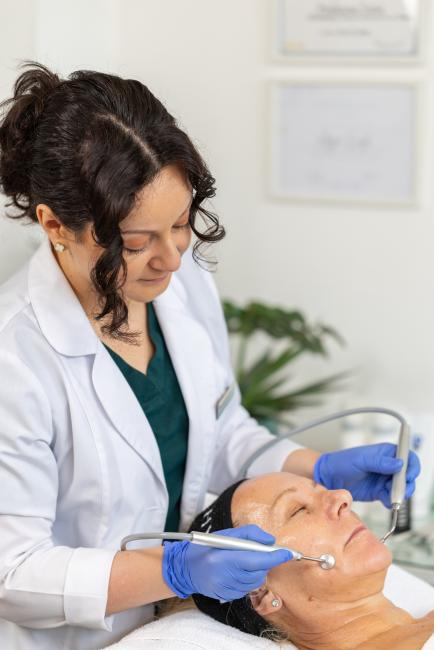
HydraFacial is a branded, non-invasive facial that combines gentle mechanical exfoliation with the infusion of hydrating and antioxidant serums. It uses a patented handpiece with a spiral tip and controlled suction, sometimes described as hydradermabrasion, to lift away dead skin cells, dislodge debris from pores and deliver serums to the surface in one pass. A typical treatment cleanses, lightly exfoliates, extracts and then hydrates, and can be tailored with different serums or add-ons such as booster ampoules or LED light to suit your skin type and goals. It is generally considered a low-risk, comfortable treatment with little or no downtime, which makes it popular before events. It is best thought of as a surface-level radiance and hydration treatment rather than a medical procedure, so it will not treat deeper concerns such as significant acne scarring, pigment or lines in the way clinical treatments might. Because HydraFacial is a trademarked system, it should be carried out on genuine equipment by a trained practitioner. A brief consultation beforehand helps confirm the treatment is suitable for your skin and that you have no contraindications.

Service
HydraFacial®

A short consultation and honest skin history come first, so mention any medication, recent treatments, allergies or skin conditions. In most cases you should pause exfoliating acids such as glycolic, salicylic and retinoids for a few days beforehand, and stop prescription retinoids for around a week, because these can leave skin more reactive. Avoid waxing, other hair removal, chemical peels or facials for roughly a week before, and leave a gap after injectables or laser as your practitioner advises. If you are prone to cold sores, tell your practitioner in advance, as treatment can sometimes trigger an outbreak and antiviral cover may be suggested. Come with clean skin where possible and without heavy make-up. Avoid sunburn or a fresh tan on the day. If you have a special event, book a few days ahead rather than the day before, so any temporary redness has time to settle and you can see how your skin responds.

Your practitioner will usually start by reviewing your skin and confirming your goals. The treatment itself is typically relaxing and takes around thirty to sixty minutes depending on any add-ons. The handpiece is moved across the skin in stages, generally cleansing and light exfoliation first, then a gentle acid step to loosen debris, followed by suction-assisted extraction of pores, and finally the infusion of hydrating and antioxidant serums. Many people describe the sensation as a cool, slightly ticklish massage with a mild tugging where suction is applied, particularly around the nose. It should not be painful and should not break the skin. Serums or boosters may be chosen to suit concerns such as dryness, dullness or congestion, and some clinics add LED light or other steps. You can usually see and feel a difference straight away, with skin looking cleaner, plumper and more radiant. Let your practitioner know at any point if anything feels uncomfortable.

HydraFacial needs little special aftercare, which is part of its appeal. Keep the skin simple for the first day or so and follow any advice your practitioner gives. It is sensible to avoid direct sun, saunas, steam rooms, hot yoga, swimming and vigorous exercise for around forty-eight hours, as heat and sweat can irritate freshly treated skin. Apply a broad-spectrum SPF daily, as your skin may be a little more sun-sensitive. Hold off on exfoliating acids, retinoids and gritty scrubs for about a week, and avoid other facials, waxing, peels or laser in the same area for a similar period. Many clinics suggest waiting around twelve hours before make-up so the skin can settle, though light mineral make-up is often fine sooner. Try not to pick or rub the area, keep well hydrated, and stick to a gentle, nourishing routine. If any redness, tightness or unexpected reaction persists beyond a couple of days, contact your practitioner for advice.

Although HydraFacial is low-risk, it is still a skin treatment and should be carried out by a trained, insured practitioner using genuine equipment and single-use tips, with the device and surfaces properly cleaned between clients to reduce any infection risk. A consultation and skin assessment should always come first, so the treatment and any serums can be matched to your skin and contraindications ruled out. Good practitioners work at a comfortable, superficial level; the treatment should feel gentle and must not break the skin or cause pain. Be wary of anyone who cannot show training or insurance, skips a consultation, or promises to treat medical conditions such as significant acne, deep scarring or pigment, as this is not what a HydraFacial is designed to do. If you have a complex skin condition, are taking oral acne medication, or are unsure whether treatment is right for you, seek advice from a GP or suitably qualified skin professional before booking. Honest, realistic expectations are part of safe practice.

HydraFacial is not suitable for everyone, so an honest medical and skin history matters. It is generally avoided over active or inflamed acne, open or broken skin, sunburn, active cold sores, rashes, rosacea flare-ups and skin infections. Practitioners commonly ask you to wait around six months after finishing oral isotretinoin, such as Roaccutane, because the skin can be fragile and more reactive, and to confirm with your prescriber if in doubt. Certain conditions, including autoimmune diseases, uncontrolled diabetes, some circulatory conditions or photosensitising medication, may mean treatment is postponed or that written GP approval is sought first. Many clinics prefer to avoid treatment during pregnancy as a precaution, so tell your practitioner if you are pregnant or breastfeeding and follow their advice. If you have recently had injectables, peels, laser or other facial treatments, allow the recommended gap. When there is any medical uncertainty, the safe course is to check with your GP or a suitably qualified healthcare professional before going ahead.

A skin patch test is not usually required for HydraFacial, because it does not rely on dyes or reactive colourants in the way that tinting or henna does. The more important safeguard is a proper consultation and skin assessment before your first treatment, where the practitioner reviews your medical history, medications, allergies, skin condition and any recent treatments, and checks the chosen serums against known sensitivities. This matters for your safety and for UK liability, because a documented consultation that identifies contraindications and gains informed consent protects both you and the practitioner if a reaction occurs. If you have very reactive skin or known allergies to skincare ingredients, ask whether a small test area or a simpler serum can be trialled first. Always disclose a history of cold sores, as antiviral cover may be advised.

Be cautious if a provider skips any consultation or skin assessment, will not confirm training, qualifications or insurance, or cannot tell you which serums are being used. Reused or visibly dirty tips, poor hand hygiene and equipment that is not cleaned between clients are clear warning signs. Claims that a single facial will cure acne, erase scarring, remove deep pigment or replace medical treatment are unrealistic and a reason to look elsewhere. Treatment that is painful, that breaks or bleeds the skin, or that is pushed ahead despite active cold sores, broken skin, sunburn or a condition you have flagged is not good practice. Pressure to buy expensive packages on the spot, or dismissal of your questions and concerns, should also give you pause.

A good practitioner offers a calm, unhurried consultation, takes a full skin and medical history, and explains honestly what a HydraFacial can and cannot do for your skin. They use genuine equipment with fresh, single-use tips, work in a clean space, and are happy to show training, qualifications and insurance. They tailor the serums and any add-ons to your skin type and goals, check comfort throughout, and keep the treatment gentle and superficial. Clear aftercare advice, realistic expectations about results and longevity, and no pressure to commit to large packages are all reassuring signs. Welcoming your questions, flagging when something is outside the scope of the treatment, and suggesting a GP or medical review where appropriate all point to responsible, client-first practice.

  1. What training and qualifications do you have, and are you insured to carry out HydraFacial?
  2. Is this genuine HydraFacial equipment, and do you use a fresh, single-use tip for every client?
  3. Based on my skin and medical history, is this treatment suitable for me right now?
  4. Which serums or boosters will you use, and how will you tailor them to my skin?
  5. What results can I realistically expect, and how long will they typically last?
  6. What aftercare should I follow, and how soon before an event should I book?

Most people find HydraFacial relaxing rather than uncomfortable. As the handpiece moves across the skin you may feel a cool, slightly ticklish sensation and a gentle tugging or suction, most noticeable around the nose and other areas where pores are being cleared. Some steps can feel faintly tingly, and the skin may feel warm or a little tight afterwards. It should not be painful, and it should not break the skin or draw blood. If anything feels sharp, sore or too intense, tell your practitioner so they can adjust. Sensitive skin may look mildly pink for a short while, which usually settles quickly.

One of the main draws of HydraFacial is minimal downtime, and most people return to normal activities straight away. Mild redness, a warm feeling or slight tightness can occur, particularly on sensitive skin, and this typically settles within a few hours to seventy-two hours. Occasionally people notice small blemishes or purging in the days after, as congestion clears. Results and radiance appear immediately, though the hydrated glow may last a week or more. Because reactions vary, leaving a few days before a big event is wise so you can see how your skin behaves.

HydraFacial gives an immediate boost, with skin typically looking cleaner, smoother, plumper and more radiant straight away, and make-up often sitting better afterwards. The refreshed, hydrated glow commonly lasts around a week or so, though this varies with your skin, lifestyle and the serums used. Because the effect is temporary, many people treat it as a regular maintenance facial, often every four to six weeks, or book a one-off before a special occasion. A good home routine, gentle cleansing, daily broad-spectrum SPF and consistent moisturising, helps extend the benefits between visits. It is worth being realistic: HydraFacial maintains and enhances healthy skin rather than delivering permanent change or treating deeper concerns, which may need dedicated clinical treatments. Your practitioner can suggest a sensible frequency and any complementary steps to suit your skin and budget, and can tailor the intensity and serums over time as your skin needs change.

The Beauty Rooms
Treatment Provider

The Beauty Rooms

Gosport, GB

Read More >>

Anti-Ageing Facial

Profile picture for user admin
Submitted by Reece on Wed, 09/30/2026 - 12:19

An anti-ageing facial is a professional skincare treatment aimed at mature skin or skin showing early signs of ageing, such as fine lines, dullness, uneven texture and loss of firmness. It usually combines a deep cleanse, gentle exfoliation, a facial massage, and targeted serums or masks chosen for their hydrating, brightening or firming ingredients. Some versions add extras such as LED light, microcurrent, or a mild professional exfoliant to boost the effect. The aim is to leave the skin cleansed, hydrated, plumper-looking and radiant, and to support a good home skincare routine over time. It is worth being honest about what a facial can and cannot do. It works on the surface and the skin's condition, so it can improve the look and feel of your skin and give a lovely temporary glow, but it does not replace medical treatments such as injectables, prescription-strength products or energy devices for deeper lines or significant sagging. Results build with regular sessions alongside daily sun protection and good skincare. A good therapist will tailor the products and techniques to your skin type, concerns and how your skin reacts on the day, and set realistic expectations rather than promising dramatic change.

In most cases little preparation is needed, but a few simple steps help you get the best and safest result. Arrive with clean skin where you can, and let your therapist know about your current skincare, any recent treatments and any medical conditions or medications during the consultation. If you use strong active ingredients such as retinoids, alpha or beta hydroxy acids, benzoyl peroxide or prescription products, it is sensible to pause them for around three to five days beforehand, as they can leave skin more sensitive and prone to irritation. Avoid sunburn, sunbeds, waxing or other exfoliating treatments on the area in the days before. If you are prone to cold sores, flag this, as facial massage can sometimes trigger a flare. Tell your therapist if you are pregnant, breastfeeding, or have taken oral acne medication such as isotretinoin recently, as some products and techniques may need to be adjusted or avoided.

Your appointment typically starts with a short consultation where the therapist looks at your skin, asks about your concerns and health, and agrees a plan with you. You will usually lie back on a comfortable couch. The treatment generally begins with a double cleanse to remove make-up and impurities, followed by gentle exfoliation to smooth the surface. Many facials include a relaxing face, neck and shoulder massage, which helps with circulation and is one of the most enjoyable parts. Targeted serums, a treatment mask and moisturiser are then applied, chosen for your skin type and concerns, and finished with an SPF if you are heading outside. Some anti-ageing facials add technology such as LED light, microcurrent or a mild professional peel, and your therapist should explain anything extra and check you are comfortable throughout. A typical session lasts around forty-five minutes to an hour and should feel calm and pleasant rather than painful.

Aftercare is straightforward and helps your skin settle and get the most from the treatment. For the first twenty-four to forty-eight hours, keep your routine gentle, using mild, hydrating products and drinking plenty of water. Wear a broad-spectrum SPF of at least 30 every day, as freshly exfoliated skin is more vulnerable to the sun, and try to avoid direct sun and sunbeds. It is best to skip strong actives such as retinoids and acids, heavy make-up, saunas, steam rooms, hot showers, swimming and vigorous exercise for a day or two, as heat and sweat can irritate the skin. Avoid touching, picking or scrubbing your face, and let any mild redness or warmth calm on its own. If your therapist has recommended specific products or a follow-up plan, following it supports longer-lasting results. Should any redness, swelling or irritation last beyond about twenty-four to forty-eight hours, contact your therapist and speak to your GP if you are concerned.

For a treatment like this, safety starts with a properly trained, qualified and insured skincare therapist who carries out a consultation and takes a proper skin and health history before starting. This matters because it lets them spot contraindications, choose suitable products and settings, and avoid working on skin that is not healthy enough for treatment. A facial should only be carried out on intact, healthy skin, so active infections such as cold sores, broken or sunburned skin, or recent facial procedures usually mean waiting. Good hygiene is essential, including clean hands, freshly laundered towels, sanitised tools and single-use items where appropriate. If your facial includes stronger elements such as a chemical peel, microneedling or an energy device, these carry higher risks and their own competence and regulatory requirements, so check the practitioner is specifically trained and insured for them. A responsible therapist will patch test new active products where needed and stop if your skin reacts.

Although a basic facial is low risk, some medical situations need care. Tell your therapist if you are pregnant or breastfeeding, as certain active ingredients and some technologies are best avoided. Conditions such as rosacea, eczema, psoriasis, very sensitive or reactive skin, uncontrolled diabetes, or a history of skin cancer may mean a facial needs adapting or is not suitable, so a qualified opinion is important. Recent oral acne medication such as isotretinoin (Roaccutane) usually means waiting around six months before exfoliating or resurfacing treatments, because the skin is more fragile. If your facial uses microcurrent or radiofrequency, a pacemaker, other electrical implant or metal implants in the area are important to declare. Medicines that thin the skin or affect healing, and certain heart, kidney or liver conditions, may also need medical clearance first. If you have a diagnosed skin condition or any doubt about suitability, speak to your GP or a suitably qualified skin professional before booking, as a facial is a cosmetic treatment and not a substitute for medical care.

A skin patch test is not always routine for a gentle facial, but it becomes important when strong active ingredients, a chemical exfoliant or a new product range is being used, particularly if you have sensitive or reactive skin or a history of allergies. In these cases a small test area applied ahead of time helps reduce the risk of an unexpected reaction. More broadly, the key safeguard is a thorough consultation and contraindication check, where the therapist reviews your skin, health, medications and past reactions and agrees what is suitable. In the UK, this record-keeping and checking also protects both you and the practitioner, as skipping reasonable checks can leave an insured therapist found at fault if a claim arises. It is worth knowing a patch test is reassuring rather than a guarantee, as sensitivities can build up over time, so always flag any new stinging, itching or rash.

Be cautious if a salon skips the consultation and does not ask about your health, medications or skin history, or is willing to treat broken, infected, sunburned or actively inflamed skin. Poor hygiene is a warning sign, including dirty tools, no hand washing or reused single-use items. Be wary of anyone promising dramatic, permanent, injectable-style results from a facial, or pressuring you into add-ons you did not ask about. If stronger treatments such as peels, microneedling or energy devices are offered by someone who cannot show relevant training and insurance, or who cannot explain the risks, that is a concern. During the treatment, sharp pain, burning or significant discomfort is not normal for a standard facial and you should ask them to stop.

Good signs include a warm, unhurried consultation where the therapist asks about your skin, health and expectations before touching your face, and explains what they will do and why. Look for recognised training and qualifications, valid insurance, and a clean, well-kept treatment room with proper hygiene and single-use items where needed. A good practitioner tailors products and techniques to your skin on the day, patch tests new actives when appropriate, and is honest about what a facial can realistically achieve rather than over-promising. They will happily answer questions, respect your comfort throughout, and give clear aftercare advice. If they offer stronger treatments, they can show specific training and are upfront about risks, downtime and suitability.

  1. What training, qualifications and insurance do you hold for this treatment, and for any devices or peels you might use?
  2. Based on my skin and health history, is this facial suitable for me and are there any reasons I should wait?
  3. What products and any technologies will you use, and will you patch test new active ingredients?
  4. What realistic results can I expect from a single session versus a course of treatments?
  5. Will there be any redness or downtime, and how should I care for my skin afterwards?
  6. What should I do, and who do I contact, if my skin reacts after the treatment?

Most people find an anti-ageing facial relaxing and pleasant. You can expect the cool or warm touch of cleansers and masks, gentle massage pressure across the face, neck and shoulders, and a light tingling or fresh feeling during exfoliation. Some serums or a mild peel may cause a brief, mild stinging or warmth that settles quickly. If microcurrent is used you might feel a faint buzzing or a slight muscle flutter, and radiofrequency or LED can feel gently warm. Mild redness or a flushed, glowing look afterwards is common and usually short-lived. What you should not feel is sharp pain, strong burning or lasting discomfort, so tell your therapist straight away if anything feels wrong.

A standard anti-ageing facial usually involves little or no downtime, and many people return to their day straight away looking refreshed. It is normal to have mild redness, warmth or a slightly tingly feeling for a short while, which typically settles within a few hours. If your facial included a stronger exfoliant, a peel or an energy device, you may notice more redness, tightness or light flaking for a day or two, so it is worth asking in advance if you have an event coming up. Your skin may look its best a day or two later once any temporary flushing has faded. If you experience anything more than mild, short-lived redness, check in with your therapist.

Results from a single facial are mostly about the immediate condition of your skin, so expect it to look brighter, feel smoother and softer, and appear more hydrated and plumped for a few days to a couple of weeks. This is a temporary glow rather than a permanent change, and deeper lines or significant sagging will not be removed by a facial alone. Longer-lasting improvement in tone, texture and radiance tends to come from regular sessions, often every four to six weeks, combined with a good daily routine and consistent sun protection, which is one of the most effective anti-ageing steps you can take. Your therapist can recommend a suitable course and home care, and can tailor the intensity to what you want, from a gentle maintenance facial to a more active treatment. For concerns a facial cannot address, they may suggest discussing medical options with an appropriately qualified practitioner.

Galvanic Facial

Profile picture for user admin
Submitted by Reece on Wed, 09/30/2026 - 12:19

A galvanic facial is a gentle, non-invasive skin treatment that uses a low-level direct electrical current to help the skin absorb products and to deep-cleanse the pores. It works in two ways. The first, desincrustation, uses a negatively charged gel to soften and lift excess oil and debris from congested skin, which can make blackheads and blocked pores easier to clear. The second, iontophoresis, uses the current to help push water-based serums and active ingredients further into the surface layers of the skin, which can leave it feeling hydrated, plumped and refreshed. It is often built into a facial alongside cleansing, massage and a mask, and the settings can be tailored to your skin type and concern. Galvanic is a relatively low-risk treatment when carried out correctly by a trained therapist, but because it passes an electrical current through the skin it is not suitable for everyone, and correct technique and settings matter. Results are typically subtle and cumulative rather than dramatic, so a course is usually suggested for congestion, dullness or dehydration.

Book a consultation first so your therapist can check your skin and take a full medical history, because a galvanic current is not suitable for some conditions. Let them know if you are pregnant, have a pacemaker or other electrical implant, epilepsy, diabetes, a heart or circulatory condition, or any metal pins, plates or extensive dental metalwork, as these are common reasons to avoid or adapt the treatment. Mention any recent facial procedures, active acne breakouts, cold sores, broken or inflamed skin, or medicines such as Roaccutane. On the day, arrive with clean skin and avoid heavy make-up, and remove metal jewellery from the treatment area. Try not to have strong exfoliation, peels or waxing on the face in the days beforehand, as this can leave the skin more sensitive. If you wear contact lenses you may be asked to remove them. Come well hydrated, as this supports comfortable conductivity across the skin.

Your therapist will usually cleanse your skin first, then apply a conductive gel or serum suited to your concern. During desincrustation a rolling or flat electrode is moved slowly over the skin while a mild current runs through the gel to loosen oil and debris, often followed by gentle extractions. During iontophoresis the polarity is reversed to help drive water-based actives into the surface layers. You hold or rest against a second electrode to complete the circuit. The current is built up gradually and kept at a comfortable level, and it should never feel sharp, stinging or hot. Most people feel only a very mild tingling, a slight metallic taste, or a faint prickling sensation. Sessions typically last around ten to twenty minutes for the galvanic element, and it is often combined with massage, a mask and moisturiser as part of a fuller facial. Tell your therapist straight away if anything feels uncomfortable so they can lower the intensity.

Your skin may look slightly pink or feel a little tingly straight afterwards, and this usually settles quickly. Keep the skin clean and well moisturised, and drink plenty of water to support hydration. For the first day or two, avoid anything that adds heat or irritation, such as saunas, steam rooms, hot yoga, sunbeds and intense exercise, and skip strong actives like retinoids, high-strength acids and grainy scrubs until your skin feels settled. Use a gentle cleanser and a broad-spectrum SPF during the day, as freshly treated skin can be more reactive to sunlight. Try not to pick at the skin, especially if extractions were carried out, to reduce the risk of marking or infection. If you had a course recommended, keep to the spacing your therapist advised. Contact your therapist or a GP if you notice unusual redness, blistering, a burn-like mark or any reaction that does not calm down within a day or so.

Galvanic works by passing a small electrical current through the skin, so the biggest safety points are a properly trained therapist, correct settings and the right candidate. The current should always be built up slowly and kept comfortable, and the electrodes and gel must maintain even contact, because concentrated current, dry patches, broken skin or metal contact can in rare cases cause a galvanic burn. A thorough consultation and medical history are essential to screen out people for whom the current is unsuitable, such as those with a pacemaker or electrical implant, epilepsy, or metal implants in the treatment area. Your therapist should hold a recognised beauty therapy qualification covering electrical facial treatments, carry professional insurance, and follow good hygiene with clean, well-maintained equipment. In the UK there is currently no specific licence required for galvanic facials, though a local authority treatment or special treatment licence may apply in some areas, so it is worth checking. Reputable practitioners will happily explain their training and precautions.

Galvanic is not suitable for everyone, so it should never be a substitute for medical advice about your skin. It is generally avoided or needs specialist sign-off if you have a pacemaker or other electrical or metallic implant, epilepsy, diabetes, a heart or circulatory condition, high or low blood pressure that is not controlled, or if you are pregnant. Metal pins, plates or extensive dental metalwork in or near the treatment area are also a reason for caution, as the current can be conducted differently. Localised reasons to avoid the area include active or inflamed acne, rosacea or couperose skin, cold sores, cuts, sunburn or any broken or infected skin, and recent injectables, peels or laser work. If you take medicines that thin the blood or increase skin sensitivity, or use strong prescription skincare such as Roaccutane, mention this at consultation. If you have any underlying health condition or are unsure, check with your GP or specialist before booking, and always disclose your full history to your therapist.

A skin patch test is not the standard requirement for a galvanic facial, because the main safety issue is not usually allergy but whether the electrical current is suitable for you. The most important pre-treatment check is a proper consultation and medical history, where your therapist screens for contraindications such as a pacemaker, electrical or metal implants, epilepsy, pregnancy, diabetes and heart conditions, and assesses the skin itself for anything that would make treatment unsafe. Where a new conductive gel, serum or active ingredient is being used, or if you have sensitive or reactive skin, a small test area or a lower-intensity first session is sensible to gauge how your skin responds. This careful screening protects you and also supports the therapist's insurance position, as skipping proper contraindication checks can leave a practitioner exposed if something goes wrong.

Be cautious if a salon offers galvanic without any consultation or questions about your health, or brushes aside conditions such as a pacemaker, metal implants, epilepsy or pregnancy. The current causing sharp stinging, burning, heat or pain is not normal and should stop immediately, so a therapist who tells you to push through discomfort is a warning sign. Other red flags include equipment that looks dirty, damaged or poorly maintained, no professional insurance or recognisable qualification, unrealistic promises such as curing acne or removing wrinkles permanently, and pressure to buy a large course upfront before you have tried it. Any burn-like mark, blistering or lasting soreness afterwards indicates something went wrong. Trust your instincts and do not proceed if you feel rushed or unsafe.

A good practitioner starts with an unhurried consultation, takes a full medical history and explains the contraindications before touching your skin. They hold a recognised beauty therapy qualification that covers electrical facial treatments, carry professional insurance, and are happy to talk you through what they are doing and why. They build the current up slowly, check in on how it feels, and adjust the settings to keep you comfortable and to suit your skin type and concern. Their equipment looks clean and well maintained, hygiene is clearly good, and the electrodes and gel are applied with care. They give honest, realistic expectations, describe results as gradual rather than miraculous, provide clear aftercare, and never pressure you into buying a big package on the spot.

  1. What qualifications and training do you have in galvanic and electrical facial treatments, and are you insured?
  2. Will you carry out a full consultation and medical history before we start?
  3. Are there any reasons my health, medicines or implants would make this unsuitable for me?
  4. Which type of galvanic treatment are you using, and is it right for my skin type and concern?
  5. What should the treatment feel like, and what would you do if it started to feel uncomfortable?
  6. What realistic results can I expect, and how many sessions might I need?

Galvanic is usually described as comfortable and relaxing rather than painful. As the current is gradually increased you may feel a very mild tingling, a faint prickling, or a light buzzing where the electrode moves over the skin. Some people notice a slight metallic or salty taste in the mouth, or a warm, gentle sensation, which is normal. The skin may look a little pink afterwards. What you should not feel is sharp stinging, burning, heat or genuine pain, and if you do, it means the intensity is too high or contact is uneven, so tell your therapist straight away so they can lower the setting or adjust the electrode. Comfort levels vary from person to person, and a good therapist keeps the current within your comfort range throughout.

Galvanic facials generally involve little to no downtime, and most people return to normal activities straight away. You may notice mild redness, warmth or a faint tingling for a short while, and skin can look a little flushed if extractions were done, but this typically fades within a few hours. Because the skin can be slightly more sensitive, it is sensible to protect it from strong sun, heat and harsh products for a day or two. If you experience anything beyond mild, short-lived redness, such as a burn-like mark, blistering or lasting soreness, this is not expected and you should seek advice from your therapist or a GP.

Results from a galvanic facial are typically subtle and build over time rather than being dramatic or permanent. Straight after a session, skin often looks brighter, feels cleaner, and appears more hydrated and plumped, and congestion can look improved where desincrustation and extractions were carried out. These effects are temporary, so for concerns such as ongoing congestion, dullness or dehydration a course of treatments is usually suggested, often weekly or fortnightly to begin with, then spaced out to roughly monthly maintenance once your skin has settled. The intensity and product choice can be tailored to your skin type and goal at each visit. Good results are supported by a consistent home skincare routine, daily SPF and staying hydrated. Galvanic is best thought of as one part of caring for your skin, and it is not a replacement for medical treatment of conditions such as persistent or severe acne, which is best discussed with a GP or dermatologist.

Treatment provider

Silesiana Clinic

Clinic based · Cleethorpes, United Kingdom
View profile: Silesiana Clinic
Sirens City Retreat Beauty Salon
Treatment Provider

Sirens City Retreat Beauty Salon

Salon based

Award-winning hair & beauty salon in Durham city centre. Specialists in advanced skin treatments, lash extensions, nails…

Read More >>

Manual Exfoliation (Scrubs)

Profile picture for user admin
Submitted by Reece on Wed, 09/30/2026 - 12:19

Manual exfoliation, often simply called a scrub, uses a product containing gritty particles, such as sugar, salt, ground seeds or synthetic granules, to physically lift away dead cells from the skin's surface. It can be offered on the face as part of a facial or on the body, and the aim is smoother, brighter-feeling skin with a temporary fresh glow. Because the effect is superficial, a scrub is a comfort and radiance treatment rather than a way to treat skin conditions, scarring or deep pigmentation. It works best on healthy skin with an intact barrier, and a good therapist will match the coarseness of the product and the pressure to your skin type. The results are real but short-lived, as your skin naturally sheds cells all the time, so the smoothness typically lasts a few days rather than weeks. Done gently and not too often, exfoliation can help skincare and self-tan apply more evenly. Done too hard or too frequently, it can irritate the skin and weaken its protective barrier, which is why a measured, tailored approach matters far more than an aggressive scrub.

Service
Manual Exfoliation (Scrubs)

Come to your appointment with clean skin and let your therapist know your skin type and any concerns, as this helps them choose the right product and pressure for you. Mention any active skincare you use, particularly retinoids, retinol, acids, benzoyl peroxide or prescription creams, because these already exfoliate or thin the surface and can leave skin more reactive to a scrub. Flag recent sun exposure, sunburn, waxing, or any other facial or peel treatments, and reschedule if your skin is currently broken, inflamed, blistered or sunburnt. If you have sensitive, very dry, eczema-prone or rosacea-prone skin, say so, as a gentler approach or a different treatment may suit you better. Avoid strong actives for a day or two beforehand if advised. For a body scrub, shaving immediately before can leave skin tender, so it is usually kinder to exfoliate first or leave a gap. If you are unsure whether exfoliation is right for a particular concern, ask before booking.

Your therapist will typically cleanse the area first, then apply the scrub and work it in with light, circular movements for a short time before rinsing or wiping it away with lukewarm water. On the face this is usually brief and gentle, while a body scrub may cover larger areas such as the back, legs and arms and can feel more vigorous. The granules provide a grainy, massaging sensation rather than anything sharp, and pressure should stay comfortable throughout. A skilled therapist adjusts the coarseness of the product and how firmly they work based on how your skin responds, easing off on more delicate areas like the cheeks or décolletage. Afterwards your skin is patted dry and usually finished with a moisturiser, oil or serum, and on the face it may lead into the rest of a facial. The whole step often takes only a few minutes as part of a longer treatment. Tell your therapist at any point if it feels too rough, stings or becomes uncomfortable.

Immediately afterwards, keep things simple and soothing. Apply a moisturiser or a gentle, fragrance-free hydrator to comfort freshly exfoliated skin and support the barrier, and drink plenty of water. Your skin can be a little more vulnerable to the sun for a day or two, so use a broad-spectrum SPF on any exposed areas, particularly the face, and avoid deliberate sunbathing or sunbeds. In the first 24 hours it is sensible to skip strong actives such as retinoids, acids, benzoyl peroxide or vitamin C, along with other scrubs, harsh cleansing brushes, very hot water, saunas, steam rooms, chlorinated pools and heavy make-up if your skin feels sensitive. If you have had a body scrub, moisturise generously and wait before applying self-tan, as freshly exfoliated skin can grab colour unevenly. Some mild pinkness or a tight feeling can be normal briefly; if you notice ongoing redness, stinging, flaking or breakouts, pause exfoliation and let your skin recover before your next treatment.

The most important principle is that exfoliation should only be done on healthy skin with an intact barrier, and never on broken, sunburnt, infected, blistered or inflamed skin. More is not better, as over-exfoliation is one of the most common causes of irritation, sensitivity and a damaged barrier, so frequency and pressure should always be tailored to your skin rather than pushed to extremes. A good therapist chooses a product coarseness to match your skin type, keeps pressure gentle, avoids delicate or compromised areas and stops if your skin reacts. Hygiene still matters in a salon, with clean hands, fresh or properly sanitised tools and single-use or clean applicators. Facial scrubs should stay away from the eyes and any active spots. If you use prescription skin treatments or have a diagnosed skin condition, mechanical scrubbing may not be suitable, and gentler alternatives exist. When in doubt, a lighter touch and a conversation with your therapist or a GP or dermatologist is always the safer route.

Manual exfoliation is low-risk for most people, but some conditions call for caution or avoidance. Active acne, rosacea, eczema, psoriasis, dermatitis and very sensitive or thin skin can all be aggravated by physical scrubbing, and mechanical exfoliation may worsen breakouts or trigger flare-ups, so gentler approaches are usually preferred. People with darker skin tones should be particularly cautious with aggressive exfoliation because irritation can lead to post-inflammatory hyperpigmentation. Anyone using retinoids, isotretinoin (Roaccutane), topical acids or other prescription skin medication should generally avoid scrubs while on treatment or check with their prescriber first, as the skin is already more fragile. Recent facial procedures, peels, laser, waxing or sunburn are also reasons to wait. Diabetes, blood-thinning medication and conditions affecting skin healing or sensation mean it is wise to seek advice first. This is a cosmetic treatment and not a substitute for medical care, so any persistent or worsening skin problem, unusual lesion or diagnosed condition should be discussed with a GP or dermatologist rather than managed with exfoliation.

A formal skin patch test is not usually required for a simple scrub, but a proper consultation and skin check beforehand is, and it is the main way to reduce the risk of a reaction. Your therapist should ask about your skin type, conditions, medication and recent treatments, and inspect the area to confirm the skin is healthy and unbroken before starting. If a product contains fragrances, essential oils, nut-derived granules or other potential allergens, mention any known sensitivities, and a small test area can be sensible for reactive skin or a new formulation. This matters for your comfort and for liability: an insured, professional therapist who checks contraindications and works within their scope is far better protected if a client later complains, and you are far less likely to be harmed. Bear in mind that sensitivities can also build up over time, so a product you have tolerated before is not guaranteed to suit you forever.

Be wary if a therapist scrubs firmly regardless of how your skin looks or reacts, ignores your discomfort, or works on skin that is broken, sunburnt, inflamed or actively breaking out. Recommending frequent, aggressive exfoliation as a fix for acne, scarring, deep pigmentation or a diagnosed skin condition is a warning sign, as scrubs cannot achieve this and may make things worse. Skipping any conversation about your skin type, medication or recent treatments, or dismissing concerns about sensitivity, retinoids or Roaccutane, is poor practice. Visibly unhygienic conditions, dirty tools or shared applicators, using coarse or salt-based products on delicate facial skin, or scrubbing close to the eyes should all give you pause. Promises of dramatic, lasting transformation from a scrub are unrealistic. Finally, skin left raw, stinging or bleeding is never a normal outcome and means the treatment was too harsh.

Good practice starts with a friendly consultation, where the therapist asks about your skin type, conditions, medication and recent treatments, and checks that your skin is healthy before beginning. They explain what the scrub will and will not do, set honest expectations, and choose a product and pressure suited to you rather than a one-size-fits-all approach. You should see clean hands, clean or single-use tools and applicators, and a gentle technique using light circular movements, easing off on delicate areas and keeping away from the eyes. A good therapist checks in on comfort during the treatment, stops if your skin reacts, and finishes with a soothing moisturiser and sensible aftercare advice, including sun protection. They will happily suggest a gentler alternative, or recommend seeing a GP or dermatologist, if a scrub is not right for your skin or concern. Clear insurance and relevant training are reassuring signs of a professional.

  1. Is manual exfoliation suitable for my skin type and any conditions I have, such as sensitivity, acne, rosacea or eczema?
  2. What kind of scrub product will you use, and how do you decide the coarseness and pressure for my skin?
  3. I use retinoids, acids or other active skincare, or prescription treatments, so is it safe to have a scrub and should I stop anything beforehand?
  4. How often would you recommend I exfoliate so I do not overdo it and damage my skin barrier?
  5. What aftercare do you advise, and how soon can I use my usual products, sunbathe or apply self-tan?
  6. Are you trained and insured for this treatment, and how do you keep your tools and applicators hygienic?

A scrub usually feels like a grainy, gentle massage, with the granules gliding over your skin as the therapist works in small circles. Most people find it pleasant and mildly stimulating rather than uncomfortable, and it may feel slightly warming as circulation increases. On the face the touch should be light, while a body scrub can feel a little more vigorous over larger areas. It is normal for skin to feel tingly, tight or a touch pink immediately afterwards, and it typically feels noticeably smoother once rinsed. What you should not feel is sharp scratching, burning, stinging or genuine pain, and skin should never be left raw or sore. If anything feels too rough or begins to sting, tell your therapist straightaway so they can ease off or stop.

For most people there is little or no downtime, and you can return to your day straightaway. Skin often feels immediately smoother and looks brighter, though it may be slightly pink or feel a touch tight for a short while, especially on the face or if a coarser product was used. This usually settles within a few hours. Sensitive skin can stay reactive a little longer, so give it time before layering on strong products or booking another exfoliating treatment. If redness, soreness or flaking persists beyond a day or so, treat it as a sign the skin was over-worked, keep to gentle, hydrating care, and hold off on scrubbing until it has fully calmed.

The smoothness and brightness after a scrub are immediate but temporary, because your skin is constantly renewing and shedding cells, so the polished feel typically lasts a few days rather than weeks. Regular gentle exfoliation, alongside good daily moisturising and sun protection, helps keep skin feeling soft and can help other products and self-tan apply more evenly. The key to lasting results is moderation: for most people once or twice a week is plenty, while sensitive, dry or reactive skin may need only once a week or less, and pressure should stay gentle. Over-exfoliating in the hope of better results tends to backfire, causing irritation, sensitivity and a weakened barrier that leaves skin looking worse rather than better. Between professional treatments, follow your therapist's advice on home exfoliation and listen to your skin, easing off if it feels tight, red or sensitised. If you want longer-lasting change for a specific concern, discuss suitable options with a qualified skincare professional or a GP.

Treatment provider

Kirsten Steward Beauty Therapy

✓ Verified
Home based · Chatteris, United Kingdom
Advanced skin clinic and electrolysis studio in Chatteris, Cambridgeshire. 37+ years' experience, OFQUAL Level 5 qualified, Circadia skincare specialist.
  • Cash payments accepted
  • Child free salon
  • Disabled access
5.0 54 reviews
View profile: Kirsten Steward Beauty Therapy

Microdermabrasion

Profile picture for user admin
Submitted by Reece on Wed, 09/30/2026 - 12:19

Microdermabrasion is a mechanical exfoliation treatment that gently buffs away the outermost layer of dead skin cells to reveal fresher, smoother skin beneath. It is usually carried out in two ways: a crystal system that sprays fine particles across the skin while vacuuming them away, or a diamond-tipped wand that abrades the surface. Both are non-invasive and work only on the very top layers, so it is very different from deeper treatments such as microneedling or medical dermabrasion. People often choose it to improve skin texture and radiance, soften the look of dull or congested skin, and help skincare absorb more effectively. It is best thought of as a surface polish rather than a cure for skin conditions, and it will not remove deep scars, wrinkles or pigmentation on its own. Results are typically subtle and cumulative, so a short course spaced a few weeks apart usually gives a more noticeable, longer-lasting glow than a single session. It suits many skin types when the skin barrier is healthy and intact, and a good practitioner will tailor the intensity, suction and number of passes to your skin's tolerance and your goals.

Service
Microdermabrasion

In most cases, preparation is simple, but it does matter for a comfortable, even result. Stop using strong actives such as retinoids, AHAs, BHAs, glycolic acids and prescription exfoliants for a few days beforehand, as these thin and sensitise the surface. Avoid waxing, electrolysis, injectables, chemical peels, laser and sunbeds or heavy sun exposure in the week before your appointment, and never come in with sunburnt, broken or irritated skin. Arrive with a clean, product-free face if you can, and skip fake tan, which can be buffed away unevenly. Tell your practitioner about any medication, recent treatments and skin concerns during consultation, and flag anything like active acne, cold sores, rosacea or a history of easily scarring skin. If you are on Roaccutane or blood thinners, mention this early, as it typically means postponing. Staying hydrated and moisturising well in the days before can help your skin tolerate the exfoliation and recover more smoothly.

A session usually starts with a consultation and skin cleanse, followed by the treatment itself, which most people find quick and comfortable. Your practitioner moves either a crystal-spraying handpiece or a diamond-tipped wand across the skin in steady passes, and you will feel a mild gritty scratching alongside a vacuum-like suction that tugs gently at the surface. The intensity, suction strength and number of passes are adjusted to your skin, so speak up if anything feels too strong. The face typically takes around twenty to thirty minutes, and sensitive or bony areas can feel slightly more intense. There is no numbing cream and the treatment should never break the skin or draw blood, as it works only on the surface layers. Afterwards your skin may look pink or flushed and feel a little tight or warm, rather like mild windburn. Your practitioner will usually finish with a soothing serum, moisturiser and SPF, and talk you through aftercare before you leave.

Aftercare focuses on protecting a freshly exfoliated, temporarily more delicate surface. For the first couple of days, keep to gentle, fragrance-free cleansing and moisturising, and hold off on strong actives such as retinoids, AHAs, glycolics, vitamin C and scrubs for around seventy-two hours so the barrier can settle. Daily broad-spectrum SPF is essential, as newly exposed skin is more vulnerable to UV and pigmentation; try to stay out of direct sun and avoid sunbeds. Skip heat-based activities such as saunas, steam rooms, hot yoga and sweaty workouts for a day or two, along with swimming pools, as chlorine can sting. Leave makeup off for around twelve hours if you can, and choose gentle mineral formulas when you restart. Mild redness, tightness, dryness or light flaking is normal as the skin renews, so keep moisturising and resist picking. Avoid other facials, waxing, peels and injectables for about a week, and drink plenty of water to support recovery.

Microdermabrasion is a surface treatment, so its safety rests on healthy, intact skin and a competent practitioner who works at the right intensity. It should only be carried out on skin with an unbroken barrier, never over cuts, sunburn, active breakouts, cold sores, weeping eczema or infected areas, as buffing these can spread infection or damage the skin. A good practitioner assesses your skin type and history first, adjusts suction and passes to your tolerance, and stops if the skin becomes overly red or sensitive. Hygiene matters: diamond tips and crystal systems must be properly cleaned and, where relevant, single-use consumables and fresh crystals used between clients. The treatment should never draw blood, because it works only on superficial layers; bleeding suggests it has been taken too deep. Check that your practitioner is trained, insured and works in a clean, professional setting. If you have sensitive, thin or reactive skin, a patch or lower-intensity first session is sensible.

Although microdermabrasion is low-risk, several medical factors mean it should be delayed or avoided, so an honest consultation matters. It is generally not suitable if you use oral or topical Roaccutane (isotretinoin), which thins and fragilises the skin, and many practitioners ask you to wait around six months after stopping. Blood thinners, easily bruised or fragile skin, active or severe acne, rosacea, eczema, psoriasis flares, cold sores, and any skin infection are also reasons to postpone. Conditions such as diabetes, poor wound healing, a history of keloid or hypertrophic scarring, or reduced skin sensation warrant caution and often medical advice first. Undiagnosed or changing moles, lesions or suspected skin cancer should be checked by a GP or dermatologist before any treatment. Pregnancy is not an absolute barrier for surface exfoliation, but tell your practitioner so they can adapt. If you are unsure whether a medication or condition affects you, speak to your GP or a suitably qualified practitioner before booking.

A formal allergy patch test is not usually required for microdermabrasion, because it is mechanical exfoliation rather than a chemical or dye-based treatment, and reactions to the crystals are uncommon. What genuinely reduces risk is a thorough pre-treatment consultation and skin assessment: reviewing your medical history, medications such as Roaccutane and blood thinners, skin conditions, recent treatments and sun exposure, and checking the skin barrier is intact. For sensitive, reactive or first-time skin, a small test area or a gentler introductory session at lower intensity is a sensible way to gauge tolerance before treating the whole face. This consultation-first approach protects you and supports the practitioner's duty of care, as skipping proper screening can leave an insured practitioner found at fault if a foreseeable problem arises. If any product used alongside the treatment could cause sensitivity, ask about testing it first.

Be cautious if a practitioner is willing to treat broken, sunburnt, infected or actively breaking-out skin, or does not ask about your medical history, medications or recent treatments. Numbing cream should not be needed for standard microdermabrasion, and the skin should never bleed; pinpoint bleeding or a treatment taken deep enough to draw blood is a warning sign that it is being pushed beyond a surface procedure. Reused or visibly dirty diamond tips, no attention to cleaning between clients, or shared crystals raise real hygiene concerns. Other warning signs include pressure to buy long courses without assessing your skin, overblown promises to remove deep scars, wrinkles or pigmentation, no aftercare advice, and no insurance or training when asked. If your skin is left raw, blistered or persistently sore, that is not normal.

Good practice starts with a proper consultation: the practitioner reviews your skin type, history, medications and goals, and sets honest expectations about what microdermabrasion can and cannot achieve. They work in a clean, professional environment, keep diamond tips and equipment properly cleaned, and use fresh consumables and crystals where relevant. Intensity, suction and the number of passes are tailored to your skin and adjusted if it becomes too red or sensitive, and they check in with you throughout. They confirm the skin barrier is healthy before starting, never take the treatment deep enough to break the skin, and finish with soothing products and SPF. A good practitioner is trained, insured and happy to answer questions, gives clear written aftercare, recommends a sensible course rather than overselling, and advises seeing a GP where a medical issue or suspicious skin lesion needs checking first.

  1. What training, qualifications and insurance do you hold for microdermabrasion?
  2. Is crystal or diamond-tip microdermabrasion better for my skin type and concerns?
  3. How do you clean equipment and consumables between clients?
  4. Given my medical history and any medication I take, is this treatment suitable for me right now?
  5. What results can I realistically expect, and how many sessions might I need?
  6. What aftercare should I follow, and what should I do if my skin reacts badly?

Most people find microdermabrasion comfortable and describe it as a mild, gritty scratching combined with a vacuum-like suction that gently pulls at the skin as the handpiece passes over. It is often likened to a cat's tongue or light sandpaper, and the suction can feel a little unusual around the eyes, nose and jawline, where skin is thinner or sits over bone. There is no numbing cream and it should not be painful; if any area feels too strong, the intensity and suction can be dialled down. Afterwards the skin usually feels tight, warm and slightly tender, rather like mild windburn, and may look pink for a few hours. Sharp pain or any bleeding is not expected and means the treatment is too aggressive.

Microdermabrasion is known for having little to no downtime, which is part of its appeal. Most people notice some pinkness, warmth and a tight or slightly sensitive feeling for a few hours, sometimes up to a day, and many return to normal activities straight away. Over the following days you may see mild dryness or light flaking as the surface renews, which typically settles by itself. More noticeable redness or sensitivity can occur after a firmer treatment or on more reactive skin. If redness, soreness or swelling lasts beyond a couple of days, or the skin feels broken or blistered, contact your practitioner or a GP, as this is not the usual experience.

Microdermabrasion gives an immediate freshness and smoother texture, though the fuller benefit builds gradually as regular exfoliation encourages surface renewal. A single session can leave skin looking brighter and feeling softer, but effects are typically subtle and temporary, so many people have a short course spaced around one to two weeks apart, followed by occasional maintenance sessions every few weeks or monthly. Results depend on your skin, age and lifestyle, and the intensity can be tailored over a course as your skin adjusts. To protect and extend the benefits, keep up daily SPF, moisturise well, stay hydrated and use a gentle, consistent skincare routine, reintroducing actives like retinoids and acids slowly once the skin has settled. It works best as a complement to good everyday skincare rather than a one-off fix, and it will not replace treatments aimed at deeper concerns such as significant scarring, deep lines or stubborn pigmentation.

Pagination

  • First page « First
  • Previous page ‹‹
  • Page 1
  • Page 2
  • Current page 3
  • Page 4
  • Next page ››
  • Last page Last »
The Hair and Beauty Directory

Newsletter

For professionals

  • Jobs
  • Classifieds
  • Join
  • Rent a room
  • Business Courses
  • Create your Profile
  • Pricing
  • Advertising with us

Explore

  • Advertise your courses
  • Search
  • Events
  • Find a professional
  • New to the industry
  • Articles & Blogs
  • What is verification?

Guidance

  • Inclusivity
  • HIV Awareness
  • Safety & Boundaries

Company

  • How it works
  • Terms and conditions
  • Contact
  • About Us

© 2026 HABD Limited. All rights reserved.

Members in 14+ countries