
Russian Manicure or Japanese Manicure: What Is the Difference?
Key takeaways
- A Russian manicure is precise dry cuticle work with an electric file, finished with gel.
- A Japanese manicure buffs nourishing paste into bare nails for natural shine.
- Russian manicures need a specifically trained nail tech and sterile tools.
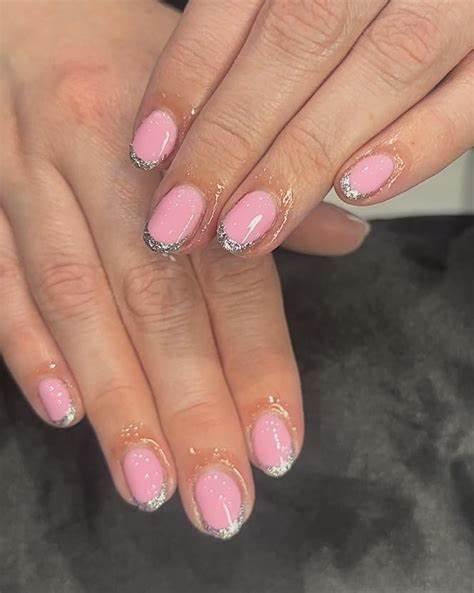
Quick answer: A Russian manicure is a dry manicure that uses an electric file with fine bits to remove excess cuticle and tidy the skin around the nail very precisely, usually followed by gel. A Japanese manicure is a natural nail treatment that buffs a nourishing paste and powder into the nail for a healthy shine, with no polish and no gel. One is about a flawless, long lasting finish. The other is about nail health.
Russian manicure
No water is used. The nail tech works around each nail with an electric file and small precision bits, lifting and removing dead cuticle and shaping the nail fold. Gel polish or builder gel is then applied very close to the skin, which gives a clean line and slower visible regrowth. Appointments are long, often one and a half to two hours. Read the Russian manicure guide.
Japanese manicure
The nails are shaped and the cuticles gently tidied. A paste rich in ingredients such as beeswax and minerals is buffed into the nail plate with a soft buffer, then sealed with a fine powder. The nail is left with a natural pink shine that lasts around two weeks. Nothing is cured and nothing needs soaking off. Read the Japanese manicure guide.
Side by side
- Finish: Russian gives perfect colour right up to the cuticle. Japanese gives a natural, glossy bare nail.
- How long it lasts: Russian with gel often lasts three to four weeks. Japanese shine lasts about two weeks.
- Best for: Russian for those who love gel and a very neat finish. Japanese for weak, peeling or recovering nails, and for anyone who cannot or does not want to wear polish.
- Time: Russian is the longer appointment. Japanese takes around 45 minutes to an hour.
- Removal: Russian gel needs professional removal. Japanese needs none.
Is a Russian manicure safe?
It is a skilled technique. In trained hands it is precise and comfortable. The risk comes from removing living skin or working too deeply, which can cause soreness, damage to the nail fold or infection. The cuticle area protects the nail from bacteria, so it should be tidied, not cut away.
- Choose a nail tech with specific training in electric file manicures.
- Tools should be sterilised between clients, and single use items opened fresh.
- It should never hurt or bleed. Speak up if it does.
- It is best avoided if you have diabetes, poor circulation, a skin condition around the nails or you take blood thinning medication, unless your doctor agrees.
Rules on who can carry out the technique differ between countries and regions, so check what applies where you live.
Which should you choose?
- You want gel that looks freshly done for weeks: Russian.
- Your nails are thin or damaged after gel or acrylic: Japanese.
- You are taking a break from polish: Japanese.
- You have sensitive skin around the nails: Japanese, or a classic manicure.
Frequently asked questions
What is the difference between a Russian and a Japanese manicure?
A Russian manicure is detailed cuticle work with an electric file, finished with gel. A Japanese manicure buffs nourishing paste into the bare nail for natural shine.
Does a Russian manicure damage nails?
Not when done correctly by a trained professional. Problems come from over filing or removing living skin.
How long does a Japanese manicure last?
The shine lasts around two weeks.
Can I have a Japanese manicure after removing gel?
Yes. It is a popular choice to help nails recover.

More from Helen Ward
-
 Helpful information (clients) Is Gel Polish Banned? What the TPO and HEMA Rules Mean for Your Nails
Read more
-
Helpful information (clients) HIFU or Radiofrequency: Which Skin Tightening Treatment Is Right for You?
Read more
-
Helpful information (clients) Sauna, Cold Plunge and Contrast Therapy: What Each One Does
Read more