
Sauna, Cold Plunge and Contrast Therapy: What Each One Does
Key takeaways
- Contrast therapy alternates sauna heat with a short cold plunge.
- Start with 10 to 15 minutes of heat and 30 seconds to two minutes of cold.
- It is not suitable for everyone, so check first if you have a medical condition.
Quick answer: Contrast therapy means moving between heat and cold, usually a sauna followed by a cold plunge, and repeating the cycle. A sauna raises your body temperature and heart rate and relaxes muscles. A cold plunge does the opposite, narrowing blood vessels and giving a sharp, alert feeling. People use the combination to relax, to recover after exercise and for the lift in mood that follows. The research is promising in places and still developing, so treat it as something that feels good, not as a cure.
What each part does
Sauna. Dry or infrared heat warms the body for 10 to 20 minutes. Muscles loosen, you sweat and your heart works a little harder, similar to gentle exercise. Read the infrared sauna guide.
Cold plunge. A short dip in cold water, commonly one to three minutes. The cold shock quickens breathing at first, then many people report feeling calm and clear headed afterwards. Read the cold plunge guide.
Contrast therapy. Alternating the two, typically two to four rounds, with a short rest between. Some spas guide you through timed circuits.
Related treatments include cryotherapy, hydrotherapy and float therapy.
A simple first session
- Drink water before you start.
- Sauna for 10 to 15 minutes at a comfortable heat.
- Cool down for a minute, then enter the cold water slowly. Stay for 30 seconds to two minutes. Breathe slowly through the first shock.
- Rest and warm up naturally for a few minutes.
- Repeat once or twice. Stop sooner if you feel dizzy, numb or unwell.
- Finish on whichever you prefer. Many people end on cold for an energised feeling, or on warm to wind down.
What people use it for
- Relaxation and a feeling of reset.
- Easing muscle soreness after exercise.
- A social way to spend time that is not built around food or drink.
- Sleep, when the session is earlier in the evening.
What it does not do
It does not detox the body, burn meaningful fat or replace medical treatment. Sweating removes water, not toxins, and any weight change straight after is fluid.
Who should check with a doctor first
Sudden heat and cold place real demands on the heart and circulation. Speak to your doctor before trying it if you are pregnant, have a heart condition, high or low blood pressure, a history of fainting, epilepsy, asthma triggered by cold, diabetes, Raynaud’s, or you take medication that affects blood pressure or body temperature. Do not use a sauna or cold plunge after drinking alcohol, and never plunge alone.
Choosing a venue
- Staff on site and clear time guidance posted.
- Clean, filtered and regularly tested water.
- Easy, non slip entry and exit from the plunge.
- A short induction for first time visitors.
Frequently asked questions
What is contrast therapy?
Alternating between heat, such as a sauna, and cold, such as a cold plunge, for several rounds.
How long should I stay in a cold plunge?
Start with 30 seconds to two minutes. Longer is not better.
Sauna or cold plunge first?
Most people start with the sauna, then go into the cold.
How often can I do it?
Two or three times a week suits many people. Listen to your body and build up slowly.
Is contrast therapy safe?
It is safe for most healthy adults who build up gradually. It is not suitable for everyone, so check with your doctor if you have any medical condition.

More from Helen Ward
-
 Helpful information (clients) Is Gel Polish Banned? What the TPO and HEMA Rules Mean for Your Nails
Read more
-
Helpful information (clients) HIFU or Radiofrequency: Which Skin Tightening Treatment Is Right for You?
Read more
-
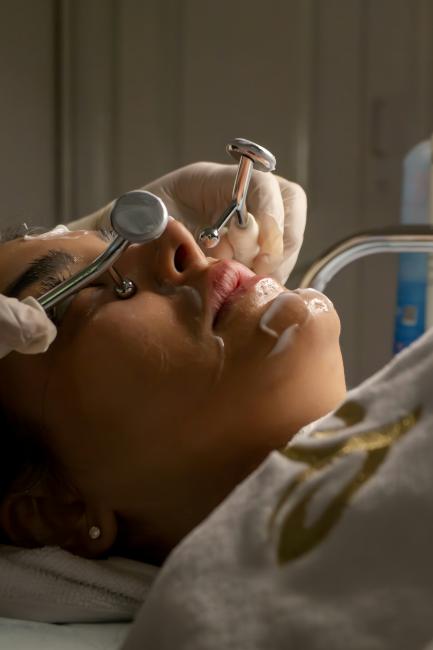 Helpful information (clients) Your First Facial: What to Expect From Start to Finish
Read more