The Hair and Beauty Directory
  • Home
  • How it works
  • Search
  • About
  • Blog
  • Join
  • Business Courses
  • Contact us
  • Events
  • Jobs
Log in
Sign up
  • All
  • Professionals
  • Training
  • Jobs
  • Rooms
  • Classifieds
  • Brands
  • Academies
  • Events ›

Filters

Clear all
Applied
  • "Cupping Therapy" (remove)×

Search for what actually matters to you

Accessibility and inclusivity
  • Oncology safe
  • Menopause informed
  • Neurodiverse friendly
  • Wheelchair accessible
  • Fragrance free
  • Quiet appointments
  • Low sensory
  • HIV inclusive
  • Trans-inclusive
  • Pregnancy safe

Search results

7 results for Cupping Therapy

Cupping Therapy

Profile picture for user admin
Submitted by Reece on Wed, 09/30/2026 - 12:19

Cupping is a complementary therapy in which special cups are placed on the skin to create gentle suction. Practitioners use it to draw up the soft tissue, with the aim of easing muscle tension, encouraging local blood flow and supporting relaxation. In dry cupping the cups are simply applied and left in place or glided across oiled skin; in wet cupping (sometimes called hijama) the skin is lightly pierced first so that a small amount of blood is drawn, which makes it an invasive procedure with extra hygiene and registration requirements. Cups may be warmed glass, silicone or plastic with a pump. It is often offered alongside massage, acupuncture or sports therapy. Cupping is best understood as a complementary approach to comfort and wellbeing rather than a proven medical treatment, and the research evidence for many claimed benefits remains limited and mixed. It is not a substitute for care from your GP or another qualified health professional. Many people find it relaxing and report short-term relief of muscle tightness, but responses vary from person to person. Knowing what it can and cannot do helps you set realistic expectations and choose a well-trained, insured practitioner.

Before your appointment, expect a short consultation so the practitioner can take a brief health history and check that cupping is suitable for you. Mention any medicines you take, especially blood thinners such as warfarin or aspirin, along with any bleeding disorders, skin conditions, pregnancy, recent surgery or ongoing health concerns, as these may mean the treatment is not advisable. It helps to stay well hydrated and to eat something beforehand, since some people feel a little light-headed. Avoid alcohol and heavy exercise immediately before, and skip fake tan, heavy body lotions or oils on the areas being treated unless glide cupping is planned. Wear loose, comfortable clothing that gives easy access to the back, shoulders or wherever you are being treated. If you bruise easily or have an important event or holiday coming up, tell the practitioner, as the marks can last a week or more. Raise any questions or worries at this stage.

A typical session lasts around twenty to forty minutes, though this varies. You will usually lie down comfortably while the practitioner cleans the skin and applies the cups, most often across the back or shoulders. Suction is created either with a hand pump or, in fire cupping, by briefly warming the air inside a glass cup before placing it. You will feel a firm pulling or tight sensation as the skin lifts into the cup. The cups may be left still for a few minutes or slid smoothly across oiled skin to work over a wider area. It should feel intense but not sharply painful, so tell the practitioner if anything is uncomfortable and they can reduce the suction. In wet cupping the skin is pierced with a sterile single-use lancet first, so you may notice a brief scratch. Circular marks appear where the cups sit and usually fade over the following days.

After treatment the marked areas can feel a little tender, warm or itchy, and this typically settles within a day or two. Keep the skin clean and avoid rubbing, scratching or heavily massaging the marks. It is sensible to drink water and rest for the remainder of the day rather than doing strenuous exercise straight afterwards. Avoid saunas, hot baths, steam rooms, swimming pools and vigorous sun exposure for a day or so, as the skin and dilated blood vessels can be more sensitive. Keep the treated area covered and warm if you feel chilled. For wet cupping, follow any wound-care advice carefully, keep the small incision sites clean and dry, and watch for signs of infection. Wear loose clothing over the area to avoid friction. If you feel light-headed, sit or lie down until it passes. Contact your practitioner or GP if you have unexpected pain, spreading redness or any concern about how the skin is healing.

Choose a practitioner who is properly trained in cupping, holds current professional indemnity insurance and works in clean, hygienic premises. Cups should be either single-use or thoroughly cleaned and disinfected between clients, and for fire cupping the practitioner should handle the flame safely and never place it near your hair or clothing. Wet cupping is an invasive, skin-piercing procedure, so lancets must be sterile and single-use, sharps disposed of correctly, and in most parts of the UK the practitioner or premises must be registered with the local council for skin-piercing or special treatments. A good practitioner will always take a health history and check for contraindications first. Cupping is a complementary therapy and should not replace advice or treatment from your GP, particularly for pain, illness or any unexplained symptoms. If a practitioner claims cupping cures serious conditions or discourages you from seeing a doctor, treat that as a warning sign.

Cupping is not suitable for everyone. It is generally best avoided over broken, inflamed, sunburnt or infected skin, over varicose veins, moles or areas of eczema or psoriasis, and during pregnancy unless overseen by a suitably qualified professional. People taking blood-thinning medicines such as warfarin, apixaban or aspirin, or those with bleeding disorders, anaemia or very fragile skin, are more likely to mark heavily or bleed and should seek advice first. Caution also applies if you have a history of blood clots, poorly controlled diabetes, cancer, heart problems, or any condition affecting healing or the immune system. Wet cupping carries additional infection and blood-borne virus risks and is not appropriate for everyone. If you have an ongoing medical condition, are unwell, or are unsure whether cupping is safe for you, speak to your GP before booking. Cupping should be seen as a complement to, not a replacement for, proper medical care, and any new or unexplained symptoms deserve a medical opinion.

A skin patch test is not standard for cupping, because the treatment does not rely on chemicals or dyes that commonly cause allergic reactions. Instead, the key safeguard is a proper pre-treatment consultation and a check of your health history so the practitioner can identify contraindications such as blood-thinning medication, bleeding disorders, pregnancy, fragile or broken skin and relevant medical conditions. Where glide cupping uses massage oils or balms, tell the practitioner about any known allergies so they can choose a suitable product or test a small area first. This consultation matters for your safety and for UK liability reasons: a practitioner who fails to take a history or ignores clear contraindications could be found at fault if something goes wrong. If your skin or health changes between visits, mention it so suitability can be reviewed again.

Be cautious if a practitioner cannot show relevant training or insurance, or works in visibly unclean surroundings. Reusing lancets or cups on different clients without proper sterilisation, or performing wet cupping without local-authority registration for skin piercing, are serious hygiene red flags. Walk away from anyone who claims cupping cures cancer, infections or other serious illness, tells you to stop prescribed medication, or discourages you from seeing your GP. No health history or consultation, dismissing your questions, using very aggressive suction that causes sharp pain or blistering, or pressuring you into wet cupping when you only wanted dry cupping are all warning signs. Careless fire-cupping technique near hair or clothing is another reason to stop.

A trustworthy practitioner takes a full health history, explains dry and wet cupping clearly and checks for contraindications before starting. They hold recognised cupping training and current professional indemnity insurance, and work in clean, tidy premises with good hand hygiene. Cups are single-use or properly disinfected between clients, and for wet cupping they use sterile single-use lancets, dispose of sharps safely and are registered with the local council where required. They set honest expectations, describing cupping as a complementary therapy rather than a cure, and are happy to answer questions. They check your comfort during treatment, adjust the suction if needed, give clear aftercare advice and encourage you to see your GP for any medical concern.

  1. What training and qualifications do you hold in cupping, and do you have professional indemnity insurance?
  2. Do you offer dry cupping, wet cupping or both, and which would you recommend for me and why?
  3. How do you clean or dispose of the cups and, for wet cupping, are you registered with the council for skin piercing?
  4. Given my health history and any medicines I take, is cupping suitable and safe for me?
  5. How much marking or bruising should I expect and how long is it likely to last?
  6. What aftercare will I need, and when should I contact you or my GP if something does not feel right?

During cupping you will feel a firm pulling or tightness as the skin and soft tissue are drawn up into the cup, which some describe as a strong stretch or a deep, tugging pressure. With glide cupping the sensation moves across the skin and can feel like a deep massage. It should feel intense but not sharply painful, and warmth or a slight tingling is common. In wet cupping you may notice a brief scratch as the skin is pierced. Afterwards the treated areas often feel warm, mildly tender or a little itchy for a day or two. Tell your practitioner at any point if the suction feels too strong.

Cupping usually involves little to no downtime, and most people carry on with their day, though it is wise to avoid strenuous activity for the rest of the day. The main visible effect is the round marks, which range from pink to deep purple and typically fade over several days to a couple of weeks depending on your skin and how much suction was used. These marks are normal and are not the same as an injury bruise, but they can be noticeable. Mild tenderness usually eases within a day or two. Wet cupping leaves small skin punctures that need a little longer to heal fully and closer aftercare.

Many people notice a pleasant feeling of relaxation and some easing of muscle tightness after a session, though results vary from person to person and any relief is often short-lived rather than permanent. Cupping is not a proven fix for underlying health conditions, so it is best thought of as part of a wider approach to comfort and wellbeing rather than a standalone treatment. Some clients choose occasional sessions when they feel tense, while others book a course spaced out over several weeks; a good practitioner will discuss a sensible plan rather than pushing frequent, open-ended appointments. The intensity can be tailored to what you want, with gentler suction and shorter times for a lighter experience or firmer work where appropriate. Between sessions, general measures such as staying active, keeping well hydrated, stretching and good sleep tend to support how you feel. If you are using cupping for persistent pain or a health problem, keep your GP involved so the underlying cause is properly assessed.
KORE Therapy

Profile picture for user admin
Submitted by Reece on Wed, 09/30/2026 - 12:19

KORE Therapy (Kinaesthetic Optimum Recovery Enhancement) is a hands-on complementary bodywork approach developed by Dr John Brazier that blends Eastern and Western techniques. A typical session combines functional muscle testing with methods such as Chinese Tui-Na massage, pelvic rebalancing, gentle mobilisation, neck-release stretches and cranial balancing, and some practitioners also offer cupping or acupuncture. The idea behind it is that the discomfort you feel in one area may originate elsewhere in the body, so the practitioner assesses posture and movement to look for the underlying pattern rather than treating only the obvious spot. People often try it for muscular aches, back, neck and shoulder tension, stiffness, stress and general wellbeing. It is best understood as a relaxing, supportive complementary therapy rather than a medical treatment. It is not a substitute for GP care, diagnosis or prescribed medication, and the wider evidence base for this style of therapy is limited, so it is sensible to keep expectations realistic and to see your doctor for any persistent, worsening or unexplained symptoms.

Service
KORE Therapy

There is no special preparation, but a little planning helps you get the most from your session. Wear loose, comfortable clothing you can move in easily, as the practitioner will usually assess how you stand and move and may carry out gentle muscle testing. Avoid a heavy meal or alcohol immediately beforehand, and drink some water so you feel comfortable. Bring a clear picture of your health history, including any diagnoses, medications, recent injuries, surgery, pregnancy or ongoing conditions, and be ready to share what you are hoping the session will help with. If cupping or acupuncture might be offered, mention any blood-thinning medication, bleeding disorders or skin conditions in advance. Importantly, KORE Therapy is complementary and should sit alongside, not replace, care from your GP, so keep taking any prescribed medication and continue any treatment your doctor has advised unless they tell you otherwise.

Sessions usually last around an hour. Most practitioners begin with a consultation about your health, lifestyle and reasons for coming, then a form of functional muscle testing where you hold your arms or legs against gentle pressure so they can gauge how different areas are working. Based on what they find, they apply hands-on techniques such as Tui-Na massage, gentle joint mobilisation, pelvic rebalancing and neck-release stretches, and they may include cranial balancing or, where offered and agreed, cupping or acupuncture. The touch is generally gentle rather than forceful. Your practitioner may re-test at the end to show any changes. You should feel informed and in control throughout, so tell them if anything is uncomfortable or you would prefer them to ease off. The approach can be tailored to your comfort, sensitivity and what you want to focus on.

Aftercare is straightforward. Drink plenty of water and take things gently for the rest of the day, as some people feel relaxed, a little tired or mildly achy afterwards, much as they might after a massage. Gentle movement, rest and avoiding strenuous exercise for the first day or so can help your body settle. If cupping was used you may have temporary circular marks that fade over several days, and if acupuncture was included keep any needle sites clean. Notice how you feel over the following days and share this with your practitioner so future sessions can be adjusted to suit you. KORE Therapy works best as part of a wider healthy routine rather than in isolation. If you experience severe, worsening or unexpected symptoms after a session, or anything that concerns you, contact your GP or seek medical advice promptly rather than waiting.

The most important step is choosing a suitably trained, insured practitioner who works within their scope and is clear that KORE Therapy is complementary, not a replacement for medical care. Reputable practitioners belong to a recognised professional body such as the Federation of Holistic Therapists, hold valid insurance and will happily explain their training and experience. A good practitioner takes a full health history, checks for contraindications and refers you to your GP where appropriate rather than making diagnostic or cure claims. If cupping or acupuncture is included, single-use sterile needles and proper hygiene are essential to reduce infection risk. Be cautious of anyone who promises to cure named medical conditions, tells you to stop prescribed medication or discourages you from seeing your doctor, as this is outside what a complementary therapist should do. Treatment should always be gentle, consented to and stopped if it hurts.

KORE Therapy is a complementary therapy and makes no claim to diagnose, treat or cure medical conditions, so it should never replace advice, investigation or treatment from your GP or specialist. Tell your practitioner about all health conditions, medications and recent injuries or surgery. Extra caution or a doctor's guidance is sensible if you are pregnant, have osteoporosis, cancer, significant heart disease, uncontrolled blood pressure, a bleeding disorder, take blood-thinning medication, have had recent fractures or surgery, or have any acute or unstable condition, as hands-on work, cupping or acupuncture may not be appropriate. If you have persistent, severe or unexplained pain, numbness, weakness, unexplained weight loss or other red-flag symptoms, see your GP for proper assessment first. A responsible practitioner will decline or adapt treatment and signpost you to medical care when needed rather than proceeding regardless.

A skin patch test is not part of KORE Therapy, as it does not use chemical products such as dyes. What matters far more is a thorough consultation and contraindication check before hands-on work begins. Your practitioner should take a full health history, ask about conditions, medications, pregnancy, injuries and surgery, and identify anything that means treatment should be adapted or avoided. This protects you and reflects responsible, insurable practice, since proceeding without proper screening can leave a practitioner at fault if something goes wrong. If cupping or acupuncture is offered, the same careful checks around bleeding risk, blood thinners and skin condition apply. A practitioner who screens carefully, documents your history and refers to your GP when appropriate is following good, low-risk practice.

Be cautious if a practitioner claims to cure named medical conditions such as IBS, arthritis or cancer, tells you to stop or reduce prescribed medication, or discourages you from seeing your GP, as this is beyond a complementary therapist's role. Other warning signs include no professional body membership or insurance, refusal to explain their training, skipping a proper health history or contraindication check, pressuring you into large upfront packages, or dismissing your discomfort during treatment. If cupping or acupuncture is offered without single-use sterile needles, visibly clean equipment and good hygiene, do not proceed. Any treatment that is painful, forceful or leaves you feeling unwell, or a practitioner who ignores your concerns, is a reason to stop.

Good signs include a practitioner who is properly trained in KORE Therapy, insured, and registered with a recognised body such as the Federation of Holistic Therapists. They take an unhurried health history, check for contraindications, explain what they will do and gain your consent before starting. They describe the therapy honestly as complementary, avoid diagnostic or cure claims, and are comfortable referring you to your GP when something needs medical attention. The environment is clean and professional, and if cupping or acupuncture is used they follow strict hygiene with single-use sterile needles. They keep treatment gentle, check in on your comfort, invite questions, and tailor the session to your needs rather than pushing costly packages or unrealistic promises.

  1. What training and qualifications do you hold in KORE Therapy, and are you insured and registered with a professional body such as the FHT?
  2. How do you assess suitability, and are there any conditions or medications that mean this treatment is not right for me?
  3. Do you offer cupping or acupuncture as part of the session, and if so how do you ensure single-use needles and proper hygiene?
  4. What realistically can and cannot KORE Therapy help with in my case, and how many sessions might you suggest?
  5. How will you work alongside my GP or existing medical treatment rather than replacing it?
  6. What might I feel during and after the session, and what should I do if I have a strong or unexpected reaction?

During a session you can usually expect gentle handling, light pressure and stretching, and some mild resistance during muscle testing as you hold against the practitioner's hand. Most people find it relaxing and comfortable rather than painful. You might feel warmth, easing or a release of tension in worked areas. If cupping is included you may feel a pulling sensation and be left with temporary circular marks, and acupuncture can cause a brief dull ache or tingle. Afterwards it is common to feel calm and a little tired, and some people notice mild, short-lived soreness. Anything sharply painful is not expected, so speak up so the practitioner can ease off.

There is typically little or no downtime, and most people carry on with their normal day. It is common to feel deeply relaxed, and some people notice mild tiredness, slight soreness or a short-lived flare in symptoms as the body adjusts, usually easing within a day or two. Cupping can leave temporary marks that fade over several days. If you feel drowsy, avoid anything demanding until you feel fully alert. Any strong, lasting or unusual reaction is not expected, so seek advice from your GP if it occurs.

How people respond varies. Some notice a sense of relief, easier movement or relaxation soon after a session, while for others any change builds gradually over several visits, and some feel little difference. This is normal for complementary therapies and no specific outcome can be promised. Longer-standing issues often take longer to shift, and results are not guaranteed. Many people find occasional top-up sessions, combined with everyday self-care such as staying active, good posture, sleep, hydration and stress management, help them feel their best between visits. Your practitioner can tailor frequency to your needs and comfort. Because the evidence base for this style of therapy is limited, keep expectations realistic, notice how you genuinely feel, and continue to see your GP for any medical condition, so that KORE Therapy supports rather than replaces your usual healthcare.

Chinese Cupping

Profile picture for user admin
Submitted by Reece on Wed, 09/30/2026 - 12:19

Chinese cupping is a traditional complementary therapy in which cups are placed on the skin and a vacuum is created inside them, either with a hand pump, a rubber squeeze bulb or, in the traditional fire-cupping method, by briefly warming the air inside a glass cup. The suction draws the skin and underlying tissue gently upward into the cup. Cups may be left in one place (static cupping) or, with a little oil, glided across the skin (moving or sliding cupping), and are often used across the back, shoulders and other fleshy areas; facial cupping uses smaller, gentler cups. People typically choose cupping as part of a wider approach to muscular tension, stiffness and general relaxation, and it sits within traditional Chinese medicine alongside acupuncture and massage. It is best understood as complementary care rather than a substitute for medical treatment, and the research evidence for many of its claimed benefits remains limited and mixed. The dry cupping described here does not break the skin; wet cupping (hijama), which involves small skin incisions, is a separate and higher-risk procedure. A good practitioner will tailor the strength of suction, the number of cups and the length of the session to your comfort and what you are hoping to get from it.

Service
Chinese cupping

It helps to arrive well hydrated, having eaten something beforehand, as some people feel a little light-headed after a session. Wear loose, comfortable clothing that gives easy access to the area being worked on, usually the back or shoulders. Avoid alcohol beforehand, and it is sensible not to book cupping straight after heavy exercise, a hot sauna or a lot of sun, when the skin is already flushed or sensitive. Expect a consultation where the practitioner asks about your general health, any medicines you take and any skin conditions, so mention blood-thinning medication, bleeding disorders, pregnancy, diabetes, eczema or psoriasis, recent surgery or any active skin problems in the area. If you bruise easily or have an event coming up, raise this in advance, because cupping commonly leaves round marks that can last several days or longer. Let the practitioner know if you have not had cupping before so they can start gently and adjust to how your skin responds.

You will usually lie comfortably while the practitioner cleans the skin and, for moving cupping, applies a light oil. Cups are positioned and suction is applied so the skin is drawn up inside each cup; you feel a firm pulling or tightness rather than a sharp pain. Static cups are typically left in place for a few minutes, sometimes up to around ten, while moving cupping involves the cups being glided smoothly across the area. With fire cupping, a flame is briefly used to warm the air inside a glass cup before it is placed on the skin; the flame does not touch you. A session commonly lasts around twenty to forty minutes depending on the area and the approach. The strength of suction can be dialled up or down at any point, so tell the practitioner if anything feels too intense. When the cups are removed you will usually see circular red or purple marks where the suction was strongest, which are expected and not the same as a painful bruise from an injury.

Afterwards it is sensible to rest for a few minutes and drink some water, as a small number of people feel briefly light-headed. Keep the treated skin clean and avoid rubbing or scratching the marks. For a day or so it is wise to steer clear of very hot baths, saunas, steam rooms, swimming pools and vigorous exercise, and to protect the area from strong sun, since the skin can be a little sensitive. If oil was used, you may want to shower when you get home. The circular marks are normal and usually fade over several days to a couple of weeks; you can keep the area covered with loose clothing if you would rather not show them. Mild tenderness is common. If you notice blistering, broken skin, spreading redness, warmth, swelling or any sign of infection, keep the area clean and seek advice from a pharmacist, GP or your practitioner. Space repeat sessions as your practitioner advises rather than treating the same spot again before the marks have settled.

Cupping is a complementary therapy and is not a substitute for seeing a doctor about a health concern; be wary of anyone promising to cure medical conditions. In the UK there is no single statutory regulator for cupping, so it is worth choosing a practitioner who is properly trained, holds current professional indemnity insurance and follows good hygiene, ideally one registered with a recognised voluntary body such as the Complementary and Natural Healthcare Council or an established traditional Chinese medicine association. Cups and any reusable equipment should be cleaned and disinfected between clients, and single-use items used where appropriate. With fire cupping there is a genuine, if small, risk of burns, so the practitioner should be experienced in the technique and keep the flame well away from your skin and hair. This guide covers dry cupping only; wet cupping (hijama) breaks the skin and carries added infection and bleeding risks that demand strict sterile practice. Always mention pregnancy, medication and health conditions so the practitioner can judge whether cupping is suitable for you.

Cupping is not suitable for everyone, and some situations call for extra caution or avoiding it altogether. Tell your practitioner if you are pregnant, as certain areas are generally avoided, and speak to a professional first if you take blood-thinning medication or have a bleeding or clotting disorder, as these raise the risk of marked bruising. Cupping should not be applied over broken, inflamed or infected skin, sunburn, varicose veins, moles, or areas affected by eczema, psoriasis or other active skin conditions, and it is best avoided if you have a deep vein thrombosis. People with poorly controlled diabetes, fragile or thin skin, or reduced skin sensation, and those who are very frail, elderly or run down, may not be good candidates. If you have a heart condition, cancer, an organ problem or any serious ongoing illness, check with your GP before booking. Cupping should never replace prescribed treatment or delay you seeking medical advice for symptoms that need proper assessment.

A skin patch test is not standard for cupping, because it does not involve dyes or chemicals that trigger allergy in the way tinting or colouring does. What matters instead is a proper consultation and contraindication check before the first session, where the practitioner reviews your health, medicines and skin so they can decide whether cupping is safe and where to place the cups. Many practitioners will also apply a single cup at a lower suction to a small area first to see how your skin reacts and how readily you mark, then adjust from there. This staged, cautious approach is the sensible way to reduce the risk of excessive bruising or a skin reaction, and it protects both you and an insured practitioner if any concern arises later. If you have sensitive or reactive skin, ask for this test-area check and start gently.

Be cautious if a practitioner cannot show relevant training, insurance or membership of a recognised body, or if they claim cupping will cure serious illness or tell you to stop prescribed medication. Reused cups that are not properly cleaned between clients, a generally unhygienic room, or offering wet cupping (skin-piercing) without strict sterile, single-use equipment are clear warning signs. With fire cupping, a careless approach to the flame near your skin or hair is a concern. Pushing on despite you reporting real pain, ignoring pregnancy or your medication, or refusing to lower the suction when you ask are all reasons to stop. Pressure to buy long packages upfront, or dismissing your questions about safety and aftercare, also suggests you should look elsewhere.

A good practitioner takes a proper history, asks about your health, medicines and skin, and explains what cupping can and cannot realistically do. They keep a clean treatment space, disinfect reusable cups between clients and use single-use items where appropriate. They start gently, check in on how the suction feels and adjust it to your comfort, and they warn you in advance that circular marks are normal and how long they usually last. They are happy to show training, professional indemnity insurance and registration with a recognised voluntary body such as the CNHC or an established traditional Chinese medicine association. They give clear aftercare, are honest that it is complementary rather than a cure, and encourage you to see your GP for anything that needs medical attention.

  1. What are your qualifications, and are you insured and registered with a recognised body such as the CNHC or a traditional Chinese medicine association?
  2. Do you use dry cupping only, or also fire cupping or wet cupping, and how do you manage the risks of each?
  3. How do you clean and sterilise the cups and equipment between clients?
  4. Given my health, medication and any skin conditions, is cupping suitable for me and are there areas you would avoid?
  5. How much marking should I expect, how long will it last, and how should I care for my skin afterwards?
  6. How will you adjust the suction and session length to what I am comfortable with and hoping to get from it?

Most people feel a firm pulling, tightness or stretching where each cup grips the skin, sometimes with a warm or slightly heavy feeling, rather than a sharp or stabbing pain. With moving cupping there is a smooth dragging sensation as the cup glides over oiled skin, which many find similar to a deep massage. The tightness usually eases once you settle, and the suction can be reduced at any point if it feels too strong. When the cups come off there can be a brief tingling or a release of pressure. Afterwards the marked areas may feel mildly tender, tight or warm for a day or two. Cupping should not be genuinely painful, so always speak up if it is.

Most people carry on with their day straight after cupping, so there is little practical downtime beyond looking after the skin. The main thing to plan around is the marking: the round red, purple or brownish patches are very common and typically last from a few days up to two weeks, occasionally longer, before fading. They are not usually painful, though the area can feel mildly tender or tight for a day or two. Because the marks can be noticeable, many people prefer to schedule cupping when they will not be showing that skin at a beach, wedding or similar. If marks are still visible or the skin feels sore, give the area time to recover fully before booking another session.

Any benefits people notice, such as a feeling of looser muscles, reduced tension or general relaxation, tend to be short-term rather than permanent, and responses vary a lot from person to person. It is worth keeping expectations realistic, as the evidence for lasting or medical benefits is limited. Some people have an occasional session when they feel tight or stressed, while others build it into a regular routine every few weeks alongside massage, exercise, stretching and good general self-care; your practitioner can suggest a sensible spacing for you. Whatever the pattern, allow the marks from one session to fade before treating the same area again, and do not treat cupping as a fix for an ongoing problem that really needs medical assessment. The strength, frequency and focus of your sessions can all be tailored to what you want from them, so talk through your goals and adjust as you go rather than assuming more or stronger is better.

Treatment provider

The Light Centre

Clinic based, Coworking / Shared Space, Studio · London, United Kingdom
The Light Centre offers professional therapy rooms and wellness spaces across central London, supporting therapists, healthcare practitioners, and wellbeing…
  • Allergy-aware treatments
  • Child friendly
  • Disabled access
4.0 40 reviews
View profile: The Light Centre
Member

Joanne Serrant

Educator, Salon owner, Skin specialist · Bracknell, United Kingdom
I studied Beauty Therapy in Yorkshire, and loved everything about the industry. My best friend and I ran a successful beauty salon together until 2012, when our family…
View profile: Joanne Serrant
Member

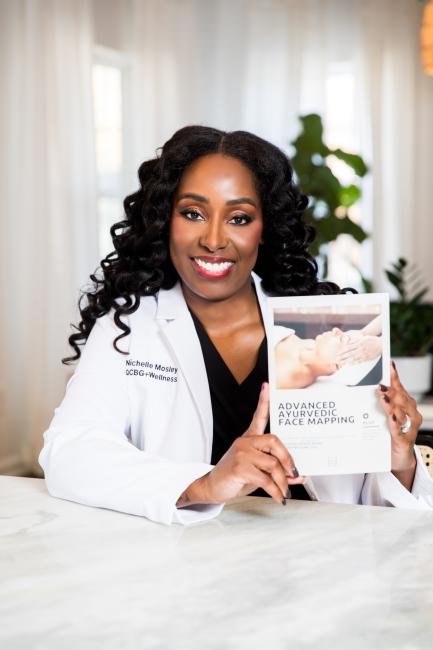
Nichelle Mosley

Aesthetician, CEO, Course developer · matthers, United States
The Skin Barrier Academy, empowers educators to enhance their own well-being as well as their students and communities. We utilize evidence-based corneotherapy and…
View profile: Nichelle Mosley

Wood Therapy (Maderotherapy)

Profile picture for user admin
Submitted by Reece on Wed, 09/30/2026 - 12:19

Wood therapy, also known as maderotherapy, is a vigorous body massage that uses specially shaped wooden tools such as rollers, contoured boards and suction-style cups. The practitioner works these tools firmly over areas like the thighs, buttocks, tummy and arms, often as part of a body-contouring or lymphatic-focused treatment. It is best understood as a complementary, hands-on massage rather than a medical procedure, and it is not a substitute for professional medical care, weight management or clinical treatment. Providers commonly describe it as helping to smooth the appearance of the skin, ease muscle tension and encourage circulation, and many people simply find it relaxing and invigorating. It is honest to say the evidence is limited: research has not proven that wood therapy removes cellulite or fat, and any smoothing effect on dimpled skin is typically short-lived rather than permanent. Results are usually promoted as gradual, so a course of sessions is often recommended. Because pressure can be firm, a good practitioner tailors the intensity to your comfort, skin and goals. If your main aim is treating a specific medical or skin condition, speak to your GP or a qualified clinician about evidence-based options first.

Book a consultation so the practitioner can check your health, discuss your goals and set realistic expectations. Let them know about any medical conditions, medications, recent surgery, pregnancy or skin problems in the areas to be treated, as some of these mean the treatment should be adjusted or avoided. Drink water in the hours beforehand so you are well hydrated, and try to eat lightly rather than arriving very full or very hungry. On the day, arrive with clean skin and avoid heavy body lotions, oils or fake tan on the treatment area, as these can affect grip and comfort. Wear or bring comfortable, loose clothing for afterwards. If you bruise easily, take blood-thinning medication or have recently had cosmetic or medical procedures in the area, mention this in advance so the pressure can be tailored. Avoid alcohol immediately beforehand. If you are unwell, feverish or have a new or undiagnosed lump, reschedule and check with your GP first.

You will usually undress to your underwear for the areas being treated and lie on a massage couch, with towels for privacy and warmth. The practitioner typically applies a little oil or cream to help the tools glide, then works methodically over the area using different wooden implements, such as rollers with ridges and smooth contoured pieces. The pressure is firm and rhythmic, and the massage can feel quite intense, particularly over areas like the outer thighs. A session commonly lasts around forty-five minutes to an hour, depending on how many areas are treated. Throughout, a good practitioner checks in on your comfort and adjusts the depth and speed to suit you, so tell them straight away if anything feels too strong or sharp. You may notice your skin becoming warm and pink as circulation increases. The experience should feel firm and stimulating but not genuinely painful. Because the intensity is adjustable, the treatment can be made gentler for sensitive skin, a first visit or more delicate areas.

Drink plenty of water over the rest of the day, which many practitioners recommend to help you feel comfortable after a stimulating massage. Your skin may look flushed and feel slightly tender or warm for a short while, which is normal. Avoid very hot baths, saunas, intense sun or strenuous exercise for the rest of the day if you feel sensitive, and treat any tender areas gently. Wear comfortable, non-restrictive clothing so treated areas are not squeezed. If any oils or creams were used and your skin feels irritated, wash them off with a mild cleanser and moisturise as normal. Eating well and staying active generally support the kind of results people hope for, since wood therapy is not a weight-loss or fat-removal treatment on its own. If you develop significant bruising, lasting pain, broken skin or any reaction that worries you, contact your practitioner and seek medical advice. Space your sessions as advised rather than overdoing the frequency, and give your body time to recover between appointments.

Choose a trained, insured practitioner who works in a clean, professional setting and can explain their qualifications and technique. Wood therapy is a firm massage, so competence and good communication matter: the practitioner should take a health history, adapt the pressure to your body and skin, and stop if you are in genuine pain. Tools should be cleaned and disinfected between clients, and any oils or creams should be suitable for your skin. Be wary of anyone promising dramatic fat loss, permanent cellulite removal or medical results, as these claims are not supported by evidence. Treat wood therapy as a complementary, feel-good body treatment rather than a medical one, and do not use it in place of advice or care from your GP or a qualified clinician for any health or skin condition. If you have a medical condition, are pregnant, or take medication that affects bleeding or bruising, get tailored advice before booking. Firm does not have to mean painful, and heavy bruising is a sign the pressure was too strong.

Wood therapy is generally considered a low-risk complementary massage for healthy adults, but it is not suitable for everyone. It is typically avoided or adapted during pregnancy, particularly in the early stages, and over areas with infection, inflammation, rashes, open or broken skin, recent injury or unhealed scars. Take particular care if you have heart or circulatory conditions, large or troublesome varicose veins, a clotting disorder, or you take blood-thinning medication, as firm massage may not be appropriate; check with your GP first. Anyone with cancer, a recent blood clot, uncontrolled medical conditions, or a new or undiagnosed lump should seek medical guidance before booking. It is not a treatment for medical conditions and makes no diagnostic or curative claims, so continue any prescribed care as normal. If you are recovering from surgery or a cosmetic procedure, wait until you are fully healed and cleared. When in doubt about whether the treatment is safe for you, speak to your GP or a qualified healthcare professional before your appointment.

A skin patch test is not usually part of wood therapy itself, because it is a massage with tools rather than a chemical or allergy-based treatment. The more important safeguards are a proper consultation and a health-history check so the practitioner can identify contraindications and tailor the pressure to you. Where oils, creams or lotions are used to help the tools glide, tell the practitioner about any allergies or sensitive skin, and it is reasonable to ask for a small test of the product on your skin first if you react easily. This consultation-led approach helps reduce the risk of harm and reflects sensible UK practice: a practitioner who records your history and checks suitability is better placed to keep you safe and is on firmer ground if a problem ever arises. Always flag new medications, pregnancy or recent procedures before you begin.

Be cautious if a practitioner cannot show training, insurance or a clean, hygienic setup, or if wooden tools are not cleaned between clients. Promises of permanent fat loss, guaranteed cellulite removal, detox or medical results are a warning sign, as these are not supported by evidence. It is not right if no one asks about your health, medications or pregnancy before starting, or if your concerns and contraindications are brushed aside. During treatment, pressure that is genuinely painful, causes sharp or lasting pain, breaks the skin or leaves heavy bruising is a sign something is wrong, and the practitioner should adjust or stop when asked. Pressure to buy large, costly packages upfront, or claims that the treatment can replace medical care or weight management, should also make you think twice.

Good practice starts with a friendly, thorough consultation that covers your health, medications, goals and any reasons the treatment should be adapted or avoided. A responsible practitioner is trained and insured, works in a clean environment and cleans the wooden tools between clients. They set honest expectations, describing wood therapy as a complementary, relaxing body treatment rather than a cure for cellulite or a fat-loss procedure, and they never make medical claims. They tailor the pressure to your comfort, check in during the session, and stop or ease off when you ask. They give clear aftercare advice, such as staying hydrated, and are happy to answer questions about their qualifications and technique. They will also suggest you see your GP or a qualified clinician for any medical or skin condition rather than relying on the treatment.

  1. What training, qualifications and insurance do you have for wood therapy?
  2. Is this treatment suitable for me given my health, medications and any skin concerns?
  3. What results can I realistically expect, and how long do they usually last?
  4. How firm will the pressure be, and can you adjust it if it feels too strong?
  5. How do you clean and disinfect the wooden tools and any equipment between clients?
  6. What aftercare should I follow, and when should I contact you or a doctor afterwards?

Expect a firm, rhythmic, deep-massage sensation as the wooden tools are worked over your skin, often with a feeling of warmth and pressure building in the treated area. Some parts, such as the outer thighs, can feel more intense, and you may notice a slight rolling or kneading feeling from the ridged tools. Your skin usually turns pink and feels warm as circulation increases. It should feel firm and stimulating rather than genuinely painful, and afterwards you might feel pleasantly worked over, a little tender, or mildly sore the next day, much like after a vigorous massage. Because the intensity is adjustable, tell your practitioner if anything feels sharp or too strong so they can ease off and keep you comfortable throughout.

There is usually little or no downtime, and most people return to normal activities straight after. It is common to feel warm, pink or a little tender in the treated areas for a few hours, similar to after a deep massage, and some people notice mild bruising or muscle soreness that settles within a few days. You may feel a bit tired afterwards. If bruising is heavy, pain persists, or the skin is broken or very sore, that is not typical and you should let your practitioner know and seek medical advice. Firm pressure should not leave lasting marks, so mention any concerns.

Any smoothing or toned appearance from wood therapy is generally gradual and temporary, so providers usually recommend a course of sessions rather than a single visit, sometimes spaced over several weeks. It is honest to be realistic: research has not shown that wood therapy permanently removes cellulite or fat, and much of the immediate effect comes from stimulating the skin and circulation, which settles over time. Any results tend to be better maintained alongside a healthy, active lifestyle, balanced eating and good hydration, since the treatment is not a weight-loss method on its own. Many people choose occasional top-up sessions to keep up the feel-good, stimulated effect. Your practitioner can suggest a sensible schedule based on your goals and how your skin responds, and can tailor the intensity as you go. If your main aim is a lasting change to a medical or skin concern, discuss evidence-based options with your GP or a qualified clinician.

The Hair and Beauty Directory

Newsletter

For professionals

  • Jobs
  • Classifieds
  • Join
  • Rent a room
  • Business Courses
  • Create your Profile
  • Pricing
  • Advertising with us

Explore

  • Advertise your courses
  • Search
  • Events
  • Find a professional
  • New to the industry
  • Articles & Blogs
  • What is verification?

Guidance

  • Inclusivity
  • HIV Awareness
  • Safety & Boundaries

Company

  • How it works
  • Terms and conditions
  • Contact
  • About Us

© 2026 HABD Limited. All rights reserved.

Members in 14+ countries