The Hair and Beauty Directory
  • Home
  • How it works
  • Search
  • About
  • Blog
  • Join
  • Business Courses
  • Contact us
  • Events
  • Jobs
Log in
Sign up
  • All
  • Professionals
  • Training
  • Jobs
  • Rooms
  • Classifieds
  • Brands
  • Academies
  • Events ›

Filters

Clear all
Applied
  • "Hair Styling" (remove)×

Search for what actually matters to you

Accessibility and inclusivity
  • Oncology safe
  • Menopause informed
  • Neurodiverse friendly
  • Wheelchair accessible
  • Fragrance free
  • Quiet appointments
  • Low sensory
  • HIV inclusive
  • Trans-inclusive
  • Pregnancy safe

Search results

62 results for Hair Styling

Treatment provider

Suite B Hair and Skin Lounge

★ Expert
Salon based, Spa · Issaquah, United States
Award-winning hair and skin lounge in Issaquah, WA. Advanced skincare, microcurrent facials, hair, waxing, lashes and beauty from esthetician Brooke Kennedy.
  • Card payments accepted
4.9 223 reviews
View profile: Suite B Hair and Skin Lounge

Day of BEAUTY 2027 Antwerp

Day of BEAUTY 2027 is the Belgian beauty trade fair for professionals on 20 and 21 February 2027 at Antwerp Expo, with t…

Read More >>

20 Feb 2027 – 21 Feb 2027

Clip-In Hair Extensions

Profile picture for user admin
Submitted by Reece on Wed, 09/30/2026 - 12:19

Clip-in extensions are wefts of hair fitted with small pressure clips that snap onto your own hair to add instant length, thickness or a flash of colour. They are the most temporary and least committing type of extension: you put them in yourself in minutes and take them out at the end of the day, so there is no glue, heat, sewing or bonding involved. Wefts come in human hair, which can be washed, heat-styled and coloured much like your own, or synthetic, which is cheaper but less versatile. Some people buy them off the shelf and fit them at home, while a salon or extension technician can colour-match, cut and blend them so they sit seamlessly. Because they clip on and off rather than staying put for weeks, clip-ins are generally considered one of the gentlest extension options for your natural hair. They suit anyone wanting occasional volume for events, photos or a change of look without a long-term commitment. In most cases the result can be dialled up or down, from a subtle boost to a dramatic transformation, simply by choosing how many wefts you wear and where you place them.

Start with clean, dry, fully brushed hair, as clips grip best on hair that is not slippery with heavy oils or freshly applied conditioner. If your hair is very fine or freshly washed, a little dry shampoo or texturising spray at the roots gives the clips something to hold onto. It helps to have your extensions colour-matched and, ideally, cut and blended to your own layers beforehand, whether you do this yourself or have a technician do it, so the join sits naturally. Lay out your wefts by size so you know which piece goes where. If you plan to heat-style, apply a heat protectant first. Should you have any thinning, a sore scalp, recent hair loss or a scalp condition, it is worth speaking to your hairdresser or GP before adding regular weight and tension. With human-hair wefts you intend to colour or tone, do this and any patch testing well in advance rather than on the day.

Fitting clip-ins is quick and painless. You section your hair horizontally, tease or backcomb a little at the roots for grip if needed, then open the clips on a weft and press them closed against the hair close to the scalp, working from the nape upwards in layers. Smaller pieces frame the sides and around the face. When done well you should feel a secure, snug hold but no real pulling, pinching or soreness. In a salon a technician will place, cut and blend the wefts and show you how to repeat it at home. The whole process usually takes anywhere from a few minutes for a simple volume boost to around twenty minutes for a full head. Once in, you can brush, curl or straighten human-hair wefts as normal. If any clip feels painful or is dragging on your roots, it is sitting too tight or too high and should be repositioned rather than left.

Take clip-ins out before you sleep, swim or shower, as leaving them in overnight or wearing them wet strains both the wefts and your own roots. Brush them gently with an extension-friendly or loop brush, holding the weft and working from the ends upwards to avoid tugging the clips loose. Human-hair wefts only need washing every twelve to fifteen wears using a sulphate-free, alcohol-free shampoo and a conditioner or mask, kept off the clip bands; let them dry naturally where you can and use heat protection and a moderate temperature, around 180 degrees, when styling. Store them flat in their box or a proper hanger with clips closed, away from damp, direct sunlight and radiators. Give your own scalp regular breaks from wearing them, and keep your natural hair well conditioned. Synthetic wefts cannot usually take heat, so follow the maker's guidance. Looked after this way, good human-hair clip-ins can last many months.

Clip-ins are low risk, but the one real concern is traction alopecia, a type of hair loss caused by repeated pulling on the roots. It tends to build up when extensions are too heavy for your own hair, clipped in the same spot every day, worn overnight or yanked out roughly. To stay on the safe side, choose a weft weight your natural hair can comfortably carry, move the placement around, and take them out to sleep. Clips should feel secure but never painful; genuine pulling or a sore scalp means they are too tight or too heavy. Remove them slowly by opening each clip fully rather than dragging them free. People with existing thinning, fragile hair, a scalp condition or recent hair loss should be cautious and, in most cases, seek advice from a hairdresser or GP before wearing them regularly. Buying good-quality wefts with smooth, well-padded clips also reduces snagging and breakage.

Clip-in extensions are a cosmetic accessory rather than a medical treatment, so for most healthy people there are no medical concerns beyond looking after the scalp and roots. That said, if you already have hair loss, thinning, a flaky or inflamed scalp, psoriasis, eczema, alopecia or you are recovering from any scalp condition, added weight and tension can make things worse, so it is sensible to speak to your GP, dermatologist or a trichologist before wearing them often. Hair naturally sheds and can feel more fragile during pregnancy, after childbirth, during the menopause or while taking certain medicines, and clip-ins are best worn lightly at these times. If you notice a widening parting, thinning at the clip line, patches of loss or ongoing scalp soreness, stop wearing them and seek professional advice, as early traction changes are usually reversible if caught in time. Clip-ins are not a remedy for hair loss and should not replace proper medical assessment.

A skin patch test is not needed for plain clip-in wefts, as nothing is applied to your skin. The useful checks are practical ones. Before your first full wear, clip a weft in for a short time and make sure it feels secure without pulling or soreness, and confirm the clips are not snagging your hair. Check the colour and blend in daylight. If you or a technician plan to colour, tone or use a keratin or other product on human-hair wefts, then a strand test on the hair and, for anything touching the scalp, a skin patch test 48 hours ahead is worth doing, because hair dyes carry a real allergy risk and, in the UK, skipping a patch test can leave an insured stylist at fault in a claim. Remember a patch test is reassuring rather than fully conclusive, as sensitivities can develop over time.

Be wary if clips feel painful, pinch or drag on your roots, as this points to wefts that are too heavy or fitted too tight or too high. Redness, tenderness, itching or little bumps where the clips sit, a scalp that feels sore after removal, or hair snapping and coming away at the clip line are all warning signs to stop and rest the area. Cheap wefts with sharp, unpadded clips that snag easily, or a technician who dismisses your worries about thinning or soreness, are reasons for caution. Advice to sleep or swim in clip-ins, or to wear them tightly in the same spot every single day, goes against safe practice. Any patch of new thinning, a widening parting or bald spots at the clip line should prompt you to stop wearing them and see a hairdresser, trichologist or GP.

Good signs include well-made wefts with smooth, padded, silicone-lined clips that grip firmly without digging in, and a weight that your own hair carries comfortably. A good technician will colour-match in daylight, cut and blend the wefts to your layers, and show you how to fit and remove them yourself, moving placement around so the same roots are not always loaded. They will ask about your hair and scalp health, be honest if clip-ins are not right for very fine or thinning hair, and steer you away from wearing them overnight or in water. Clear, sensible aftercare, sulphate-free products and advice to give your scalp regular breaks all point to a responsible approach. A willingness to tailor the amount and placement to the look you want, rather than overloading your hair, is a reassuring sign.

  1. Is my natural hair thick and healthy enough to carry the weight of these wefts comfortably?
  2. Are these human or synthetic hair, and can they be heat-styled, washed and coloured?
  3. How should I position and remove the clips to avoid pulling on my roots?
  4. How many hours a day is safe to wear them, and should I vary where I clip them in?
  5. What weight and how many wefts do you recommend for the look I want without overloading my hair?
  6. How do I wash, store and care for them so they last, and how often should I rest my scalp?

When fitted correctly, clip-ins feel like a secure, snug weight against the scalp that you soon stop noticing. You may be aware of a gentle firmness where the clips grip, and a little extra heaviness or movement as you get used to the added length. There should be no pain, pinching, burning or persistent dragging on your roots; those feelings mean a clip is too tight or too high and needs repositioning. Some people notice mild tenderness after a long day of wear, which should ease quickly once the extensions are out. Removal should feel like a light release as each clip opens, never a sharp tug.

There is no downtime with clip-ins. Because they lift out at the end of the day, you can wear them for an event and be back to your own hair within minutes, with nothing to recover from. The main thing to watch over time is your scalp: if you notice tenderness, redness or soreness where the clips sit, give that area a rest and vary where you place the wefts so the same roots are not always taking the weight. Persistent soreness, or hair coming away at the clip line, is a sign to stop wearing them for a while and check in with a hairdresser or GP.

The effect is instant and completely reversible: fuller, longer or more colourful hair while the wefts are in, and back to your own hair the moment you take them out. How natural it looks depends on colour-matching, a good cut and how well the wefts are blended, so it is worth investing time here or having a technician help. Human-hair clip-ins, cared for properly, often last several months to a year or more, gradually needing replacement as the ends wear. Synthetic wefts tend to last less long and can lose their finish sooner. Day to day, brush them gently, wash human hair only every dozen or so wears with sulphate-free products, use heat protection and moderate temperatures, and store them flat with the clips closed. The overall look can be tailored each time by changing how many wefts you use and where you place them, from subtle volume to full glamour, and refreshed with a trim or re-tone as needed.


Root Touch-Up

Profile picture for user admin
Submitted by Reece on Wed, 09/30/2026 - 12:19

A root touch-up is a targeted colour service that recolours only the new regrowth at the roots, usually the first two to three centimetres, so it blends seamlessly with your existing colour. It is the most common way to keep permanent colour, grey coverage or a solid base looking fresh between full-head appointments. Because hair typically grows around a centimetre a month, most people return every four to six weeks, though this varies with your natural colour, how much grey you have and how sharp the contrast is. A root touch-up is quicker and gentler on the mid-lengths and ends than a full colour, since only the new growth is processed rather than repeatedly re-colouring hair you have already treated. Colour can be tailored to match your tone precisely, from a subtle grey blend to full opaque coverage, and your colourist should discuss the finish you want at consultation. It is a low-risk salon treatment for most people, but permanent and many semi-permanent dyes contain ingredients such as PPD that can cause allergic reactions, so allergy alert testing and an honest chat about your hair history matter as much for a quick root retouch as for a full colour.

Service
Root Touch-Up

The single most important step is your allergy alert test. Under current UK best practice, if you are having a colour that contains dye ingredients such as PPD, your salon should carry out a professional allergy alert test before your appointment, or confirm a valid recognised test on file, even for a quick root retouch. Arrive with dry, unwashed hair where possible, as natural scalp oils give a little protection during processing; washing the day before rather than on the day is usually ideal. Avoid using heavy oils, dry shampoo or styling product on the roots on the day. Tell your colourist about any recent chemical services, henna use, scalp conditions, cuts or grazes, medications, pregnancy or recent illness, as these can affect the result or your suitability. If you have coloured at home in between visits, mention exactly what you used, since box dyes and metallic salts can react unpredictably with salon colour.

Your appointment usually starts with a brief consultation to check your regrowth, confirm your target shade and review your allergy alert test. Your colourist mixes the colour to match your existing tone and applies it precisely to the new growth at the roots, section by section, keeping it off the previously coloured lengths to avoid banding and unnecessary overlap. You then wait while the colour develops, typically around twenty to forty-five minutes depending on the product, your grey coverage and how resistant your hair is. The colour is rinsed at the basin, often followed by a shampoo, conditioner or bond treatment, and usually a blow-dry or style. A standalone root touch-up is generally quick, but if you are also having a gloss, toner or a refresh through the lengths it will take longer. You should feel comfortable throughout; tell your colourist straight away if you notice any stinging, burning or itching.

For the first couple of days after colouring, use lukewarm rather than hot water and a colour-safe, sulphate-free shampoo and conditioner to help lock in tone and reduce fade. Many colourists suggest leaving 24 to 48 hours before the first wash so the colour settles, though modern products vary, so follow your salon's specific advice. Protect your colour from strong sun, chlorine and salt water, rinsing hair after swimming and using a UV-protective or leave-in product where helpful. Heat styling is fine in moderation, but a heat protectant helps prevent dryness and brassiness. Weekly conditioning or bond-building treatments keep coloured hair in good condition. If you notice any delayed scalp itching, redness, swelling or discomfort in the hours or days after your appointment, contact your salon and seek medical advice, as this can indicate an allergic reaction even if a previous colour was fine.

Hair colour is low-risk for most people, but permanent and many semi-permanent dyes contain reactive ingredients, most notably PPD, that can cause allergic contact dermatitis and, rarely, severe reactions. The core safety step is a professional allergy alert test carried out or verified by the salon in line with current UK industry protocols, not a colourant posted out for you to try at home, which goes against best practice and can invalidate a salon's insurance. Choose a trained, insured colourist who keeps clear records of your tests and colour formulas. A patch test is not fully conclusive, and sensitivities can build up over repeated exposure, so a history of comfortable colouring does not remove the need to keep testing and to stay alert to new symptoms. Anyone who has ever reacted to hair dye, or to a black henna tattoo, should be especially cautious and may be advised against PPD colour altogether. Good hygiene, correctly mixed product and careful application to regrowth only all reduce risk.

Let your colourist know your full health picture at consultation. Tell them about any previous reaction to hair dye or black henna tattoos, eczema, psoriasis, dermatitis or broken skin on the scalp, and any known allergies, as these raise the risk of a reaction and may mean colour is not suitable or needs an alternative approach. Some people report new or heightened sensitivities after illness, including after COVID-19, so a past history of trouble-free colouring is not a guarantee. Mention pregnancy or breastfeeding; while there is no strong evidence that occasional salon colour is harmful, many people prefer regrowth-only techniques that keep product off the scalp, and you may wish to discuss timing with your midwife or GP. Certain medications and medical conditions can also affect your scalp or results. This treatment is cosmetic and makes no medical claims; if you have a scalp condition, unexplained hair loss or any concern about a reaction, see your GP, pharmacist or a dermatologist.

Yes. A skin allergy alert test is standard and important before colouring, including a quick root retouch, because dyes containing ingredients such as PPD can trigger allergic reactions. Current UK best practice, supported by trade bodies, is a professional allergy alert test performed or verified by the salon ahead of your appointment, or a recognised validated screening test on record; colourants should not be posted to you to test at home. Testing protects you and is central to a salon's liability position, as skipping it can leave even an insured colourist found at fault in a claim. Importantly, a patch test is not completely conclusive and sensitivity can develop over time, so testing needs to be repeated in line with your salon's and insurer's protocol rather than done once and forgotten.

Be cautious if a salon offers to colour your roots with no allergy alert test at all, dismisses testing as unnecessary because you have coloured before, or posts colourant to your home for you to self-test, which goes against UK best practice. Other warning signs include a colourist who will not discuss ingredients, does not ask about previous reactions, scalp conditions or medications, or cannot show they are insured. Reused, dirty tools or bowls, no consultation, and pressure to proceed despite you mentioning past dye reactions or a black henna tattoo are all reasons to pause. During the service, stinging, burning or intense itching that is ignored, rather than rinsed and checked, is a red flag.

Good practice looks like a colourist who carries out or confirms a professional allergy alert test in line with current UK protocols and keeps clear records of your tests and colour formulas. They take a proper consultation, ask about previous reactions, black henna tattoos, scalp conditions, medications and pregnancy, and explain the finish you can realistically expect. They mix colour freshly to match your tone, apply it neatly to regrowth only to avoid banding, and use clean tools and gloves. They are trained, insured and happy to answer questions about ingredients and aftercare, and they tell you clearly to report any delayed itching, redness or swelling and seek medical advice if it occurs.

  1. What allergy alert test do you use, and do I need one before this root touch-up given my colour history?
  2. The last time I coloured was with you, so is my test still valid or do I need re-testing under your protocol?
  3. Are you fully trained and insured, and does your insurance cover your testing method?
  4. Does the colour you plan to use contain PPD or similar ingredients, and are there gentler alternatives if I am sensitive?
  5. I have used a box dye or henna in between visits, so will that affect the result or my suitability?
  6. How often will I realistically need to come back for regrowth, and how do you keep the mid-lengths and ends healthy?

During application you will usually feel the cool, slightly wet product being painted onto your roots, along with gentle sectioning and combing. Some people notice a mild tingling or warmth on the scalp as colour develops, which is common and generally settles. What you should not feel is stinging, burning, tightness or intense itching; if you do, tell your colourist straight away so it can be rinsed and checked rather than left. At the basin the rinse is typically warm and soothing, often with a scalp massage during shampooing. Afterwards the scalp may feel a little sensitive or the hair slightly drier until conditioned, both of which normally ease quickly.

There is no downtime with a root touch-up and you can return to your normal routine straight away. The main thing to be aware of is looking after the fresh colour in the first 48 hours by avoiding very hot water, harsh clarifying shampoos and heavy heat styling. Your scalp may feel slightly sensitive briefly after processing, which usually settles quickly. If instead you develop spreading redness, itching, swelling, blistering or any facial or breathing symptoms in the hours or days afterwards, treat this as a possible allergic reaction, rinse if colour is still present, and seek medical help rather than waiting.

A root touch-up gives an immediate, refreshed result with your regrowth blended into your existing colour, and results are typically visible as soon as you leave. How long it lasts depends on how fast your hair grows and the contrast between your natural and coloured shades; most people find roots become noticeable again after around four to six weeks, and those with a lot of white or high contrast may want a slightly shorter gap. Between appointments, colour-safe sulphate-free products, occasional toning or purple shampoo for blondes, bond or conditioning treatments and protection from sun, chlorine and excess heat all help keep tone true and hair healthy. Root concealer sprays or powders can extend the time between visits. To protect the condition of your mid-lengths and ends, avoid dragging permanent colour through them at every visit; a good colourist will refresh the lengths only when needed. The finish can be tailored from a soft grey blend to full opaque coverage, so discuss your preference each time.

Microlink Extensions

Profile picture for user admin
Submitted by Reece on Wed, 09/30/2026 - 12:19

Microlink extensions, also known as micro ring, micro bead, I-tip or cold fusion extensions, are a way of adding length and volume to your hair without heat or glue. Small strands of hair are threaded through tiny metal rings alongside your own hair, and the ring is clamped flat with pliers to hold the extension in place. Because nothing is bonded, melted or stuck to your hair, many people see this as one of the gentler fitting methods, and the rings can often be reused when your extensions are moved up. A full head usually takes a few hours to fit, and results should look natural, moving and blending with your own hair. Microlinks tend to suit people with medium to thick hair who have enough natural density to hide and support the rings, and they need regular upkeep every six to ten weeks as your hair grows and the rings shift down. They are not a fix for hair thinning or hair loss, and if fitted too tightly or too heavily they can put strain on the follicles. A careful consultation, honest advice about your hair health, and a skilled fitter make all the difference to how comfortable and safe the result feels.

Service
Microlink Extensions

Book a consultation before your fitting so your stylist can look at your hair and scalp condition, assess your natural density, and match colour and texture. Be honest about any recent hair loss, thinning, breakage, scalp conditions, recent colouring or chemical treatments, and any medication that affects your hair or scalp, as these all influence whether microlinks are suitable and how they should be fitted. Arrive with clean, dry, product-free hair unless your stylist advises otherwise, as rings grip best on freshly washed hair and slip on oily or heavily conditioned strands. It helps to bring photos of the length and volume you are hoping for so expectations can be discussed realistically. If you colour your hair, do this before fitting rather than after, since colouring over the rings is difficult. Ask about the total weight being added and how it will be spread, and make sure you understand the maintenance schedule and ongoing cost before you commit, because microlinks are a longer-term relationship rather than a one-off treatment.

Your stylist will section your hair into neat rows and work strand by strand, threading small sections of your own hair through a tiny ring using a looping tool, then adding the pre-tipped extension strand and clamping the ring flat with pliers. No heat, glue or chemicals are involved, so you should not smell or feel anything melting. A full head typically takes two to five hours depending on how much hair is being added and your natural thickness, so wear comfortable clothing and expect to sit for a while. You may feel gentle tugging as each ring is fitted and clamped, which is normal, but sharp pain or intense pulling is not and should be mentioned straight away so it can be adjusted. Once fitting is complete, your stylist will blend, cut and style the extensions so they sit seamlessly with your own hair, and should show you how the rings feel and where they sit. A good fitter will check in with you about comfort throughout rather than rushing the process.

For the first day or two your scalp may feel slightly tight or sensitive, which usually settles as you get used to the rings. Wash your hair around one to two times a week using sulphate-free and alcohol-free products, working shampoo gently down the length in a downward motion rather than scrubbing at the roots, and keeping heavy oils and conditioner away from the rings so they do not slip. Dry your roots thoroughly, as damp hair near the rings can lead to mustiness. Brush daily, morning and night, with a soft or extension-friendly brush, supporting your roots with one hand and working from the ends upwards to prevent matting and tangling around the rings. At night, tie hair loosely in a low plait or ponytail and consider a silk or satin pillowcase to reduce friction. Always use heat protection before styling, and secure your hair when swimming or exercising. Keep to your maintenance appointments so rings can be moved up before they cause tension.

The main safety consideration with microlinks is tension on your natural hair. Rings that are fitted too tightly, made too heavy, or attached to sections of hair that are too small put strain on the follicles and, over time, can lead to breakage or traction alopecia, a type of hair loss caused by constant pulling. This is why the skill and honesty of your fitter matter so much. Microlinks are not suitable for very fine, fragile or already thinning hair, and a responsible stylist will tell you if your hair is not a good candidate rather than fitting them anyway. Good practitioners weigh the extensions appropriately for your density, space the rings sensibly, and keep to the recommended six to ten week move-up schedule so the rings do not migrate too far down and drag on your hair. Keeping up with maintenance, following aftercare, and speaking up early about discomfort are the best ways to protect your own hair while you enjoy the length and volume.

Microlink extensions are a cosmetic hair service, not a medical treatment, and they will not treat or reverse hair thinning or hair loss. If you are already noticing shedding, patchy loss, a widening parting or a sensitive, flaky or sore scalp, see your GP, a dermatologist or a trichologist before adding extensions, because added weight and tension can make existing problems worse and may mask a condition that needs proper attention. Certain situations call for extra caution or a professional opinion first, including recent chemotherapy or other treatment affecting the hair, thyroid or hormonal changes, postpartum shedding, scalp psoriasis or eczema, and any condition that weakens the hair shaft. Be open with your stylist about medication and health changes, as some can affect hair strength and scalp sensitivity. If you develop persistent pain, redness, swelling, or new bald patches around the rings at any point, remove the extensions and seek medical advice, as these are not normal and should be looked at.

A skin patch test is not usually needed for microlink extensions, because no dyes, adhesives or chemicals are applied to your skin, unlike hair colour or glue-based methods. What matters far more here is a proper consultation and a hands-on assessment of your hair and scalp before fitting. Your stylist should check your natural density, hair strength and scalp health, ask about hair loss, medication and recent chemical treatments, and confirm you are a suitable candidate. This protects you from tension damage and protects the practitioner too, because fitting extensions onto unsuitable or fragile hair, or ignoring signs of scalp trouble, could leave an insured stylist found at fault if damage follows. A recorded consultation and honest suitability check are the real safeguards with this treatment.

Be cautious if a stylist skips the consultation, does not look properly at your scalp, or fits extensions despite your hair being fine, fragile or visibly thinning. Warning signs during or after fitting include sharp pain rather than gentle tugging, rings clamped onto very small sections, or so much hair added that it feels heavy and dragging. Ongoing scalp soreness, headaches or tenderness lasting beyond a few days, visible matting or tangling between rows within weeks, rings that slip out quickly, or any new breakage, thinning or bald patches around the rings all suggest something is wrong. A fitter who rushes, dismisses your discomfort, cannot explain the maintenance schedule, or pressures you into more hair than your own can support is not putting your hair health first.

Good practice starts with an unhurried consultation where the stylist examines your hair and scalp, matches colour and texture carefully, and gives you honest advice about whether microlinks suit your hair, including saying no if they do not. Look for a fitter who is trained and experienced in ring methods, works cleanly and patiently strand by strand, spaces and weighs the rings sensibly for your density, and checks in about comfort as they go. They should explain the six to ten week maintenance schedule, ongoing costs and full aftercare clearly, and show you how to care for your hair at home. Being insured, welcoming your questions, and inviting you back if anything feels too tight are all signs of a professional who takes your natural hair health seriously.

  1. Based on my hair density and scalp condition, are microlinks genuinely suitable for me, or would another method be kinder to my hair?
  2. How much hair weight will you add, and how will you space and size the rings to avoid putting the follicles under strain?
  3. How often will I need to come back for move-ups, and what does each maintenance appointment cost?
  4. What training and experience do you have with micro ring fitting, and are you insured?
  5. What aftercare products and routine do you recommend, and what should I avoid?
  6. What should I do if the rings feel too tight, or if I notice soreness, breakage or thinning after fitting?

During fitting you will feel gentle tugging as each section of hair is threaded through a ring and clamped, which is normal and not painful. Afterwards it is common to feel more aware of your hair, with a slight tightness or heaviness and some tenderness at the roots, particularly when you lie down or tie your hair up for the first few nights. Most people find this settles within a couple of days as the scalp adjusts. You should feel added weight and movement rather than discomfort. Sharp pain, persistent soreness, headaches or a pulling sensation that does not ease are not normal and mean the rings should be checked and adjusted.

There is no real downtime with microlink extensions, and you can return to your normal day straightaway. It is common to feel some tightness, tenderness or awareness of the rings for the first couple of days, especially when lying down, and this typically eases as your scalp adjusts. Mild sensitivity that settles within two to three days is normal, but ongoing soreness, headaches, or tenderness that does not improve suggests the rings may be too tight and you should go back to your stylist to have them checked and adjusted rather than leaving them.

Fitted well, microlinks give natural-looking length and volume that moves with your own hair and can be styled, tied up and curled. The extension hair itself, if good quality Remy human hair, can last around six to twelve months with proper care, while the rings often need moving up every six to ten weeks as your natural hair grows and the rings shift away from the scalp. Around every few months the extensions are usually taken down and refitted, sometimes with new rings. The result can be tailored to you, from subtle added thickness to dramatic length, by adjusting how much hair is used and where it is placed. Keeping to your maintenance schedule is essential, both to keep the look seamless and to stop the rings migrating down and dragging on your hair. Using sulphate-free and alcohol-free products, brushing gently, protecting your hair at night and avoiding heavy oils at the roots all help the hair stay soft and the fitting stay comfortable. Neglected extensions can go dry, brittle and matted, so consistent care really shows.

Treatment provider

Ladybird Hair and Beauty Salon

Clinic based, Salon based · Enfield, United Kingdom
View profile: Ladybird Hair and Beauty Salon
Treatment provider

Katie’s Hair and Beauty Salon

Salon based · Essex, United Kingdom
View profile: Katie’s Hair and Beauty Salon
Training academy

Hair and Beauty Academy Essex

Essex, United Kingdom
View academy: Hair and Beauty Academy Essex
Member

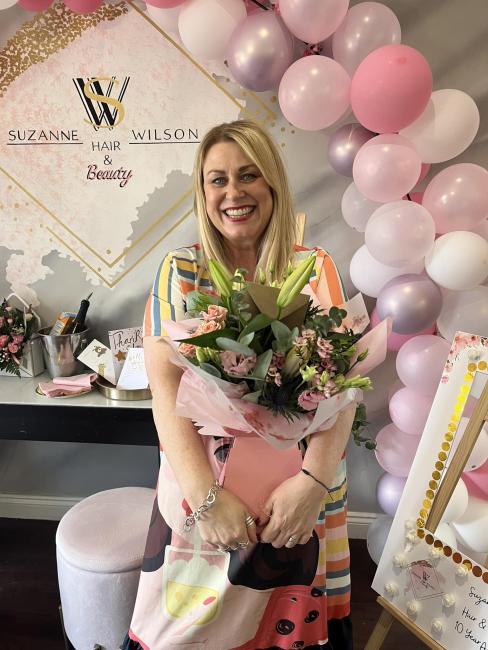
Suzanne Wilson

Educator, Hair stylist, Salon owner · Billingham, United Kingdom
My career as a hairdresser has taken many different paths from time to time, starting out as a senior stylist in a salon, to gaining my degree in education and working…
View profile: Suzanne Wilson
Member

Emma Jarvis

Business coach, Educator, Hair stylist · Gt Yarmouth, United Kingdom
The THB Academy The THB Academy is more than just an educational platform—it’s a community-driven movement to empower stylists and revolutionise how we approach curly…
View profile: Emma Jarvis

Pagination

  • First page « First
  • Previous page ‹‹
  • Page 1
  • Page 2
  • Current page 3
  • Page 4
  • Page 5
  • Page 6
  • Page 7
  • Next page ››
  • Last page Last »
The Hair and Beauty Directory

Newsletter

For professionals

  • Jobs
  • Classifieds
  • Join
  • Rent a room
  • Business Courses
  • Create your Profile
  • Pricing
  • Advertising with us

Explore

  • Advertise your courses
  • Search
  • Events
  • Find a professional
  • New to the industry
  • Articles & Blogs
  • What is verification?

Guidance

  • Inclusivity
  • HIV Awareness
  • Safety & Boundaries

Company

  • How it works
  • Terms and conditions
  • Contact
  • About Us

© 2026 HABD Limited. All rights reserved.

Members in 14+ countries