
Course
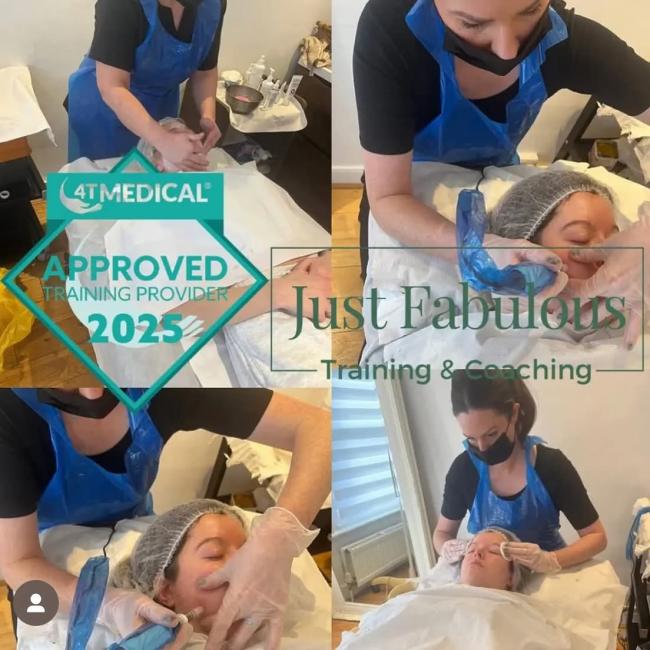
The Microneedling and Chemical Peel Package is a comprehensive, hands-on training programme designed for qualified skin professionals ready to expand their treatment…
74 results for Skin Peels (Chemical Peels)
A skin peel, also called a chemical peel, uses a solution of exfoliating acids such as glycolic, lactic, salicylic, mandelic or trichloroacetic acid to loosen and remove the outer layers of dead skin cells. As the surface sheds, it can reveal fresher, more even skin beneath and encourage renewal. Peels are grouped roughly into superficial, medium and deeper strengths. Lighter, salon-style superficial peels mainly refresh dull, congested or uneven skin with little downtime, while medium and deeper peels work further into the skin, carry more risk and are medical-grade treatments best carried out by a suitably qualified practitioner in a clinical setting. Peels are often used to improve the look of dullness, fine lines, uneven tone, sun damage, congestion and some acne, but they are not a cure for skin conditions and results build gradually over a course. Suitability depends heavily on your skin type, tone and history, so an honest consultation matters. It typically works best as part of a consistent skincare routine rather than a one-off, and the strength and formula can be tailored to your skin and goals.
Book a consultation before your first peel so the practitioner can assess your skin type, tone and history and choose a suitable strength. In the weeks beforehand you may be advised to stop retinoids, strong acids, scrubs and other exfoliating actives for several days, and to avoid waxing, hair removal creams, recent sunbeds or heavy sun exposure on the area. Tell your practitioner about any medication, recent isotretinoin (Roaccutane) use, a history of cold sores, pregnancy or breastfeeding, and any previous reactions, as these can change what is safe. Some clinics prime the skin with a prescribed home routine to improve results and lower the risk of uneven pigmentation, particularly on medium or deeper peels and darker skin tones. Come with clean, product-free skin on the day, arrive without make-up if asked, and avoid any treatment on broken, sunburnt or irritated skin. Ask what strength is planned and what to expect afterwards so you can plan around any peeling or downtime.
Your practitioner will usually cleanse and degrease the skin, then apply the peel solution evenly, often building up in layers and watching how your skin responds. You will typically feel warmth, tingling or a mild stinging that can intensify briefly, and a small handheld fan is often used for comfort. Superficial peels usually take only a few minutes of contact time, while stronger peels are applied more carefully and monitored closely. Depending on the type of acid, the solution may be neutralised and rinsed off, or left to self-neutralise. A superficial peel is generally well tolerated and should not leave the skin raw or bleeding; deeper frosting, significant whitening or heavy discomfort points to stronger, medical-depth work that belongs with a qualified medical practitioner. Afterwards your skin may look pink or flushed. The practitioner should explain aftercare, apply a soothing moisturiser and sunscreen, and tell you when peeling or flaking is likely to start and how to look after your skin.
Keep the skin calm, clean and well protected while it recovers. Use lukewarm water and a gentle, fragrance-free cleanser, pat dry rather than rub, and apply a bland hydrating moisturiser as advised. Daily broad-spectrum SPF 30 or higher is essential, reapplied through the day, because freshly revealed skin is far more vulnerable to sun and to uneven pigmentation. It is important not to pick, peel or scrub at any flaking, as this can cause scarring or dark marks; let the skin shed naturally. Avoid retinoids, acids, vitamin C, exfoliants and other active or fragranced products until your practitioner says your barrier has recovered, usually around a week or more. Steer clear of heat, saunas, steam rooms, hot yoga, swimming pools and heavy sweating for a few days, and delay make-up if the skin is broken or very sensitive. If you get any unexpected blistering, spreading redness, oozing or signs of infection, contact your practitioner promptly and seek medical advice if you are unwell.
Peels should only be carried out on healthy skin with an intact barrier, never on broken, sunburnt, infected or already irritated skin. Choose a practitioner who is trained and insured for the specific peel and strength they are offering, and who gives you a proper skin assessment rather than a one-size-fits-all treatment. Medium and deeper peels are medical-grade and carry real risks of burns, scarring and long-lasting pigment changes, so they belong with a suitably qualified medical practitioner in a clinical setting, not a quick add-on. People with deeper or darker skin tones need a practitioner experienced in choosing safe acids and strengths, because the risk of uneven pigmentation is higher. Be cautious of very strong peels offered cheaply or without consultation, and never use unregulated high-strength peels bought online at home. A good practitioner will start conservatively, explain the risks and aftercare, and be reachable if something does not look right afterwards.
Several conditions and medicines make peels unsuitable or riskier, which is why a full history matters. Recent isotretinoin (Roaccutane) use usually means waiting several months because the skin heals differently and can scar. A history of cold sores can be reactivated by a peel, so your practitioner may recommend antiviral cover. Active infections, eczema, rosacea flares, open or broken skin, recent facial surgery or recent laser or other resurfacing are generally reasons to delay. Peels are typically avoided in pregnancy and breastfeeding, particularly with salicylic acid, so tell your practitioner and check with your GP or midwife if unsure. A tendency to keloid or hypertrophic scarring, certain autoimmune conditions and photosensitising medication also need care. If you have a diagnosed skin condition, uncontrolled acne or anything you are worried about, see your GP or a dermatologist first, as a peel is a cosmetic treatment and not a substitute for medical care. Always disclose all medicines, supplements and past reactions during your consultation.
A skin peel is not usually patch tested in the way that hair or brow tints are, but a thorough consultation and skin assessment is the key safeguard and, in UK terms, part of showing that reasonable care was taken. A responsible practitioner will assess your skin type and tone, review your medical history, medications and any past reactions, and check for contraindications before choosing a strength. Some clinics also apply a small test area or a lower-strength priming routine first, especially before medium or deeper peels or on darker skin tones where pigment changes are more likely. This staged, cautious approach reduces the risk of burns, scarring and uneven colour, and gives an insured practitioner a clear record that suitability was checked. If a clinic offers to go straight to a strong peel with no assessment, treat that as a warning sign.
Be wary if there is no consultation or skin assessment, no questions about your medical history, medicines or cold sores, and no discussion of your skin tone or the risk of pigmentation. A practitioner who cannot tell you which acid and strength they are using, or who is not trained and insured for it, is a concern. Pressure to jump straight to a strong peel, prices that seem too good to be true, or peels performed on broken, sunburnt or irritated skin are all warning signs. During treatment, heavy burning, significant blistering or the practitioner ignoring your discomfort are not normal for a routine superficial peel. Vague or missing aftercare advice, no way to get help if something goes wrong, and any suggestion of a high-strength peel with no test or priming should make you pause.
Good practice starts with an unhurried consultation that covers your skin type and tone, medical history, medicines and goals, and a clear explanation of which peel and strength is suitable and why. A trustworthy practitioner is appropriately trained and insured for the specific peel, works in a clean and professional setting, and is honest about what a peel can and cannot achieve. They will often recommend a priming routine or start with a gentler strength and build up over a course rather than promising instant transformation. Expect clear written aftercare, realistic timelines for redness and peeling, and strong emphasis on daily sun protection. They should welcome your questions, explain the risks including pigmentation and scarring, and be reachable afterwards if you have concerns. Careful, conservative treatment tailored to your skin is a sign you are in safe hands.
During the peel most people feel warmth, tingling, prickling or a mild to moderate stinging that can build for a short while, particularly as more layers go on. A cooling fan is often used and the strongest sensation usually eases quickly, especially once a superficial peel is neutralised or removed. Afterwards the skin can feel tight, dry, hot or slightly sunburnt, and may look pink or flushed. Over the following days it often feels dry and tight as flaking begins. A superficial peel should not feel unbearable or leave the skin raw and bleeding; intense burning or significant discomfort suggests a stronger, medical-depth treatment that needs a qualified medical practitioner.
Downtime depends heavily on the strength of the peel. A light, superficial peel may cause only mild redness and a little flaking for a day or two, so many people return to normal activities quickly. Medium and deeper peels typically involve more visible redness, tightness, dryness and peeling that can last around seven to fourteen days, sometimes longer, and skin can look dull before it looks better. Plan stronger peels around social or work commitments and expect to keep out of strong sun while healing. Full renewal continues under the surface for some weeks, so give the skin time before judging results.
Results build gradually rather than appearing overnight. After a single superficial peel skin often looks brighter, smoother and more even once any flaking settles, while improvements in tone, texture, congestion or fine lines usually need a course of several peels spaced a few weeks apart. Deeper peels can give more noticeable change but with more downtime and risk. However you treat your skin, results are not permanent, because the skin keeps renewing and ageing and everyday sun exposure gradually undoes the benefits. Daily broad-spectrum sunscreen is the single most important thing you can do to protect and prolong your results, alongside a consistent, well-chosen skincare routine. Many people have maintenance peels every few weeks or months, tailored to their skin and goals. Your practitioner can advise on a sensible schedule and on home-care actives to introduce once your barrier has recovered, so you keep results without over-treating the skin.
A chemical peel uses a solution of acids to loosen and lift the outermost layers of skin, encouraging fresher cells to come through. It is a form of controlled exfoliation, and the depth of the peel decides both the result and the risks involved. Superficial peels use gentler alpha and beta hydroxy acids such as glycolic, lactic, mandelic or salicylic acid, and work mainly on the very surface to brighten dull skin, soften the look of uneven texture and support congested or oily skin. Medium peels, often based on TCA, reach a little deeper and target more established sun damage and pigmentation, with more downtime. Deep peels, such as phenol, are a medical procedure and belong only in a clinical setting under a doctor. A peel is best thought of as a way to refresh and even out healthy skin rather than a cure for any skin condition, and it works best as part of a wider skincare routine. Results build gradually, so superficial peels are usually done as a short course. What suits you depends on your skin type, your goals and how much recovery time you can allow, which is why a proper consultation matters.
Good preparation makes a peel safer and more even. Book a consultation first so your practitioner can assess your skin type, review your medical history and set honest expectations about what a peel can and cannot do. In the weeks beforehand you may be asked to prime the skin with prescribed home products, typically a gentle acid or a retinoid, to help the peel penetrate evenly and to calm the pigment-producing cells. Stop using strong actives such as retinoids, high-strength acids and exfoliating scrubs a few days before, as advised, and avoid recent waxing, threading, sunbeds or a fresh tan on the area. Sun exposure is a common reason to postpone, because tanned or sunburnt skin peels unpredictably and is more likely to react. Tell your practitioner about any history of cold sores, as a preventive antiviral may be recommended. Arrive with clean skin, free of make-up where possible, and flag any recent treatments, medications or changes to your health so the plan can be adjusted before anything is applied.
Your practitioner will start by cleansing and then degreasing the skin to remove oils, which helps the solution work evenly. Sensitive areas such as the corners of the nose, the eyes and the lips may be protected. The peel solution is then applied in a controlled way, usually with a brush or gauze, and left on for a set time that depends on the strength being used. With a superficial peel you will typically feel warmth, tingling or a mild stinging that settles within a few minutes. Some peels are timed and then neutralised or removed, while others self-neutralise. Your practitioner watches the skin closely throughout; with stronger peels a whitish frosting can appear, which signals depth and helps guide how far the treatment goes. A superficial session is usually quick, often around fifteen to thirty minutes including preparation. The skin is soothed afterwards and a broad-spectrum SPF is applied before you leave. You should never feel that the treatment is being rushed or pushed deeper than agreed.
Gentle, patient aftercare protects your result. For the first day or two the skin may look slightly darker, feel tight and be a little pink. As it begins to flake or peel over the following days, let it shed naturally and resist any urge to pick, pull or scrub, as this is the most common cause of marks and scarring. Keep to a simple routine of a mild cleanser and a fragrance-free moisturiser, and pause retinoids, acids and exfoliating products until your skin has fully settled and your practitioner says it is safe to restart. Avoid heat, saunas, hot yoga, vigorous exercise and swimming for a few days, as sweat and heat can irritate fresh skin. The single most important step is daily broad-spectrum sun protection of at least SPF 30, reapplied through the day, because newly revealed skin is very vulnerable to pigmentation if exposed to UV. If you notice anything that concerns you, contact your practitioner rather than treating it yourself.
A peel is only suitable on healthy skin with an intact barrier, so it is not the right choice over active eczema, broken skin, sunburn, an active cold sore or an infected or inflamed area. Choose a practitioner who is trained and insured for the specific peel and strength they are offering, and who carries out a proper consultation before treating you. Depth is everything: superficial peels are widely offered in beauty and aesthetic settings, but medium and especially deep peels carry higher risks and belong with suitably qualified practitioners, with deep phenol peels being a medical procedure performed under a doctor because they can affect the heart rhythm and require close monitoring. People with darker skin tones typically face a higher risk of post-inflammatory pigmentation, so conservative choices and careful assessment matter. A responsible practitioner will start gently, build up over sessions rather than going too deep too soon, and give you clear written aftercare and a way to reach them if you have concerns.
Share your full medical history at consultation, as several situations make a peel unsuitable or something to postpone. Recent use of the acne medication isotretinoin (Roaccutane) is a key one, as the skin needs a generous gap, often around six months, before peeling to reduce the risk of poor healing and scarring; your prescriber can advise. Pregnancy and breastfeeding are usually a reason to wait, as a precaution. A history of cold sores can be reactivated by a peel, so a preventive antiviral may be suggested. Tell your practitioner about any tendency to keloid or abnormal scarring, active skin conditions such as eczema, psoriasis or rosacea, recent facial treatments, and any autoimmune conditions or medications that affect healing or sun sensitivity. A peel is a cosmetic treatment and is not a substitute for medical care; if you have a skin concern that may need diagnosis or treatment, such as a changing mole or persistent breakout, see your GP or a dermatologist first.
A skin patch test is not always routine for peels, but a careful consultation with a test area is an important safeguard and helps reduce risk. Your practitioner should assess your skin type and history, and for a first peel or a stronger formula may apply a small amount to a discreet area to check how your skin responds before treating the whole face. This matters because reactions can vary, and darker skin tones in particular can be prone to pigmentation changes. Under UK practice, skipping proper pre-treatment checks can leave an insured practitioner exposed if a claim arises, so a thorough consultation, honest disclosure of your history and a cautious approach on first treatment protect both you and the practitioner. Remember that no single check is fully conclusive, and sensitivities can develop over time, so always flag any change in your skin or health.
Be cautious if a practitioner offers a peel without any consultation or questions about your medical history, medications or previous reactions. It is a warning sign if there is pressure to go stronger or deeper than you are comfortable with, no discussion of aftercare or sun protection, or no clear way to contact them afterwards. Applying a peel over active cold sores, broken or sunburnt skin, or ignoring recent isotretinoin use, suggests corners are being cut. Vague or exaggerated promises to cure a skin condition, remove scars completely or deliver dramatic results from a single gentle peel are not realistic. Deep peels offered in a non-medical, unmonitored setting should be avoided. During treatment, severe burning, blistering or intense pain beyond a brief sting is not normal and the solution should be removed and the concern taken seriously.
Good practice starts with an unhurried consultation that covers your skin type, goals, medical history and realistic expectations. A responsible practitioner is trained and insured for the exact peel and strength they offer, explains which peel suits you and why, and is honest about what it can and cannot achieve. They prepare the skin properly, protect sensitive areas, watch your skin closely throughout and stop at the agreed depth rather than pushing further. They start conservatively, especially on a first visit or with darker skin tones, and build results over a sensible course. You should be given clear written aftercare, strong guidance on daily SPF, and a way to reach them if you have any concerns. Referring medium or deep peels to appropriately qualified or medical practitioners is a sign of someone working within their scope.
During a superficial peel most people feel a spreading warmth followed by a light tingling or stinging that builds and then eases within a few minutes. Some describe it as a prickly or itchy heat on the skin. Medium peels tend to sting more sharply and for longer, and your practitioner may use a fan or cool air to keep you comfortable. Afterwards the skin often feels tight, dry and slightly sensitive, a bit like mild windburn, for a day or two before any flaking begins. A brief, tolerable sting is expected; strong burning, deep pain or a feeling that something is very wrong is not, and you should tell your practitioner straight away so the solution can be removed.
Downtime depends entirely on depth. A superficial peel usually involves little more than mild redness and light flaking for a few days, and many people return to normal activities straight away with SPF and gentle products. Medium-depth peels typically involve more visible peeling and redness for around a week, so it helps to plan them around your commitments. Deep peels are a medical procedure with a much longer, supervised recovery. Everyone heals at their own pace, and factors such as skin type and how well you protect the area all play a part. Autumn and winter are often preferred for a course, simply because it is easier to avoid strong sun while the skin recovers.
Superficial peels work gradually and cumulatively, so a single session gives a fresh, brighter glow while more noticeable improvements in tone and texture usually build over a short course of around three to six sessions, spaced a few weeks apart. Because your skin keeps renewing and ageing, results are maintained rather than permanent, and many people continue with a peel every four to eight weeks or seasonally to keep the effect. Medium-depth peels give a stronger, longer-lasting change per treatment but with more downtime, and are done less often. How long your results last depends heavily on your daily habits, especially consistent sun protection and a good home routine, which do more than anything to protect your investment. Peels pair well with tailored skincare, and your practitioner can adjust the strength and frequency over time to match your skin and your goals, from a gentle radiance boost to a more focused course for pigmentation or texture.