

Treatment provider
Search for what actually matters to you
Accessibility and inclusivitySearch results
119 results for Waxing

Treatment provider
Award-winning advanced skin and beauty clinic in Lowestoft, Suffolk. Specialists in RF microneedling, Geneo+ facials, electrolysis and advanced skincare, plus beauty,…
Event
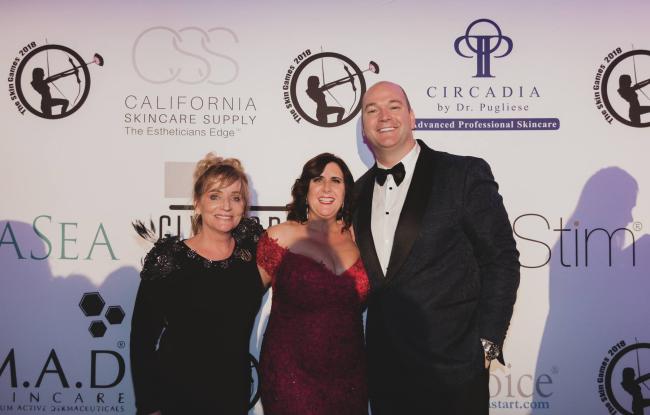
The Skin Games is a leading skincare competition for estheticians and skin professionals, with awards, education and networking across the US.
- Accessibility features (e.g. subtitles, wheelchair access)
- Child-free / professional environment only
- Disabled access
Brows (Shaping, Tinting, Henna and Lamination)
Brow treatments cover a family of services designed to define, shape and enhance your eyebrows. Shaping removes stray hairs and creates a tidy outline using threading, waxing or tweezing. Tinting uses a semi-permanent dye to darken the hairs and any fine, sparse areas so the brows look fuller. Henna brows work in a similar way but also stain the skin beneath, giving a temporary tinted, pencilled-in effect that suits gappy brows. Brow lamination is a chemical process that softens and re-sets the hairs so they sit brushed-up and uniform, creating a fuller, groomed look without adding hair. Many salons combine these, for example a lamination with a tint and a shape in one appointment. None of these treatments changes the number of hairs you have, so results are cosmetic and temporary. A good practitioner will talk through your natural brow shape, face and what is realistic before starting, and can dial the intensity up or down, from a soft, natural finish to a bold, defined brow, depending on what you want.
Book a consultation and, for any treatment involving dye or lamination chemicals, a patch test in good time beforehand (see the patch test section). Come to your appointment with clean brows, free of make-up, oils and heavy skincare, as these can stop tint and lamination products working evenly. If you normally tint or fill your brows, it helps to arrive bare so the practitioner can see your natural shape and colour. Avoid brow tinting, waxing or exfoliating acids on the area in the days before, and flag any recent sunburn, active spots, eczema, psoriasis or broken skin, as treatment is usually best delayed until skin has settled. Let your practitioner know if you are pregnant, breastfeeding, take medication that thins the blood or affects the skin, or use retinoids near the brow. If you have a colour or finish in mind, bring a photo so you can agree the shape and intensity together before anything is applied.
Your practitioner will start by discussing the shape, colour and finish you want and checking your skin and patch test record. Shaping is done first if included, using thread, wax or tweezers to tidy the outline; you may feel a quick sting or pull as hairs are removed. For tinting, a small amount of dye is brushed onto the brows and left for a few minutes, then wiped away; henna is applied more thickly and left longer so it stains the skin as well as the hair. Brow lamination involves brushing the hairs into position, then applying a softening lotion, a setting lotion and finally a nourishing oil, each left on for a controlled time. The practitioner watches the timings closely, as leaving chemical steps on too long is a common cause of problems. A single service takes around fifteen minutes; a combined shape, tint and lamination may take up to an hour. You should feel comfortable throughout and can ask them to stop at any point.
For the first 24 hours after tinting, henna or lamination, keep the brows dry and avoid water, steam, saunas, swimming, sweaty exercise, facial oils and heavy creams on the area, as moisture and rubbing can lift colour or disturb the newly set hairs. Do not pick, scrub or over-brush the brows. After laminated brows, brushing them gently into shape each day with a clean spoolie helps them sit well and keeps them looking groomed. Because lamination and tinting can leave the hairs feeling drier, applying a nourishing brow oil or conditioner as advised helps keep them soft and healthy. Avoid exfoliating acids, retinoids and strong scrubs directly on the brows for a few days. If you have had shaping, keep the area clean and avoid touching it with unwashed hands. Should any redness, itching, swelling or irritation appear, contact your practitioner, and seek medical advice if a reaction is more than mild.
Choose a trained, insured practitioner who patch tests, keeps records and follows the product manufacturer's instructions, as this is what protects you and, in the UK, what keeps their insurance valid. Good hygiene matters even for these lower-risk treatments: threading thread, wax spatulas and applicators should be single-use or properly sanitised, and nothing should be double-dipped. Because tints, henna and lamination lotions are chemicals used very close to the eye, correct timing and careful application are essential; the most common problems come from products left on too long or from skipping the patch test. The eye area is delicate, so treatment should never be carried out over broken, irritated or sunburned skin, or on anyone with an active eye infection. A responsible practitioner will explain what they are using, check your history each visit and adjust or decline treatment if your skin is not in a suitable condition, rather than pressing ahead regardless.
Brow treatments are cosmetic and cannot treat any skin or eye condition. Tell your practitioner about any allergies, particularly to hair dye, PPD (paraphenylenediamine), henna or previous reactions to beauty products, as these raise the risk of a reaction to brow tint and henna. Skin conditions such as eczema, psoriasis or dermatitis around the brow, active cold sores, styes or eye infections, and recent sunburn are all reasons to delay treatment until the skin has healed. If you are pregnant or breastfeeding, many practitioners will still tint or laminate but some prefer to wait, so discuss it and check with your midwife or GP if unsure. Certain medicines and treatments, including oral retinoids such as isotretinoin (Roaccutane), blood thinners and recent skin resurfacing, can make skin more sensitive or fragile, so mention these. If you have watery, sensitive or recently operated-on eyes, or wear contact lenses, let your practitioner know. When in doubt about a medical condition, speak to your GP before booking.
Yes. For any brow treatment using tint, henna or lamination chemicals, a skin patch test is strongly recommended, ideally 24 to 48 hours (and up to 72 hours) before your appointment, and repeated for new clients, when products change and periodically for regulars. In the UK, if the manufacturer requires a patch test and it is skipped, an insured practitioner can be found at fault in a claim, and their cover may not respond, so the test protects you both. A small amount of the actual product is dabbed behind the ear or on the inner arm and left to see whether any redness, itching or swelling develops. It is important to understand a patch test is not a cast-iron guarantee: reactions can still occur, and sensitivities to dyes such as PPD can build up over time, so a previously fine client can react later. Shaping-only appointments do not need a dye patch test, but still involve a suitability check.
Be cautious if a salon offers to tint, henna or laminate your brows with no patch test, or dismisses one as unnecessary, especially on a first visit or after switching products. Other warning signs include reusing threading thread, wax or applicators between clients or double-dipping into pots, a practitioner who cannot tell you what chemicals they are using or how long they leave them on, and treatment pushed ahead on broken, irritated, sunburned or infected skin. Rushed timings, leaving lamination or tint on far longer than the product allows, or ignoring stinging you report during the treatment are all concerns. A practitioner who will not discuss your allergy history, cannot show basic hygiene, has no insurance, or pressures you into a bolder or different result than you asked for is not putting your safety first.
A good practitioner is trained and insured, patch tests before dye or lamination work and keeps signed records of it. They give you an honest consultation, map your natural brow shape and agree the colour, shape and intensity with you before starting, offering a soft or a bold finish depending on what suits you. The workspace is clean, thread and applicators are single-use or properly sanitised, and products are used within their timings and never double-dipped. They ask about your skin, allergies, medication and any eye issues each visit and are willing to delay or decline treatment if your skin is not in a fit state. They explain the aftercare clearly, tell you how long results should last and set realistic expectations, and they are happy to answer questions about the products and their qualifications without making you feel rushed.
- Are you trained and insured for this treatment, and can you tell me about your qualifications?
- Do I need a patch test, and how far in advance of my appointment should it be done?
- Which products and chemicals will you use, and how do you manage the timings to avoid over-processing?
- How do you keep tools and applicators hygienic between clients?
- Given my natural brows and skin, what shape, colour and intensity would you recommend, and how long will the result last?
- What aftercare should I follow, and what should I do if I notice a reaction?
Most brow treatments are comfortable. During shaping you may feel a brief sting or pinch as hairs are threaded, waxed or tweezed away, and the skin can look a little pink afterwards. Tint, henna and lamination products are usually cool and not painful; you might notice a faint tingle or a slight smell, but they should not sting or burn. If you feel any real stinging, burning or sharp discomfort while a chemical is on your brows, tell your practitioner straight away, as this is not normal and the product should be removed. After treatment the area can feel slightly tight or sensitive for a short while. Laminated hairs may feel a touch stiffer or drier at first, which softens with a nourishing oil.
Brow treatments usually have little or no downtime, and most people return to normal activities straight away. You may notice slight redness or sensitivity around the brow after shaping, tinting or lamination, which typically settles within a few hours. Tinted or henna skin can look a little darker at first and softens over the following days. The main thing to observe is the 24-hour rule of keeping the area dry and unrubbed so colour and shape set properly. If you experience anything beyond mild, short-lived redness, such as persistent itching, swelling or blistering, treat it as a possible allergic reaction, stop using products on the area and seek advice from your practitioner or a pharmacist or GP.
How long results last depends on the treatment. Brow tint typically lasts around two to four weeks on the hairs, fading gradually. Henna brows last a similar time on the hairs but the skin stain usually fades within one to two weeks, giving a softer look as it goes. Brow lamination generally holds for around six to eight weeks before the hairs return to their natural direction, though this varies with hair type and aftercare. Shaping needs topping up as hairs regrow, usually every three to five weeks. To keep results looking their best, follow the aftercare, brush laminated brows daily and use a nourishing brow oil, as tinting and lamination can leave hairs drier. It is wise not to over-treat: repeated lamination too frequently can leave brows brittle, so most practitioners suggest leaving a sensible gap and giving the hairs recovery time between sessions. Your practitioner can advise on a schedule that suits your brows.

Treatment provider

Member
Award winning home clinic, semi permanent makeup and skin specialist, bespoke treatments, Based in Walderslade, Kent

Member
I'm Melanie Lewendon, a multi award-winning nail and beauty educator based in Derbyshire. With years of hands-on experience and a real passion for teaching, I specialise…