The Hair and Beauty Directory
  • Home
  • How it works
  • Search
  • About
  • Blog
  • Join
  • Business Courses
  • Contact us
  • Events
  • Jobs
Log in
Sign up
  • All
  • Professionals
  • Training
  • Jobs
  • Rooms
  • Classifieds
  • Brands
  • Academies
  • Events ›

Filters

Clear all
Applied
  • "Consultation" (remove)×

Search for what actually matters to you

Accessibility and inclusivity
  • Oncology safe
  • Menopause informed
  • Neurodiverse friendly
  • Wheelchair accessible
  • Fragrance free
  • Quiet appointments
  • Low sensory
  • HIV inclusive
  • Trans-inclusive
  • Pregnancy safe

Search results

240 results for Consultation

Deep Tissue Massage

Profile picture for user admin
Submitted by Reece on Wed, 09/30/2026 - 12:19

Deep tissue massage is a firm, focused form of massage that works into the deeper layers of muscle and the surrounding connective tissue (fascia). Using slower strokes and sustained pressure, a therapist targets areas of tension, tightness and long-standing knots, often around the neck, shoulders, back and legs. Many people choose it to ease muscular aches, improve how a stiff area feels and moves, and to unwind, though it is best understood as a complementary therapy for wellbeing and muscular comfort rather than a treatment or cure for any medical condition. It is more intense than a relaxing Swedish or aromatherapy massage, so it will not suit everyone or every day. A good therapist tailors the pressure and pace to your body, your tolerance and what you want from the session, checking in as they work. If you have pain that is new, severe, unexplained or getting worse, it is sensible to see your GP first so anything that needs medical attention is not missed. Deep tissue work sits alongside, not instead of, medical care.

Service
Deep tissue massage

It helps to arrive well hydrated and to avoid a very heavy meal or alcohol immediately beforehand. Wear or bring comfortable clothing, and allow a little time so you are not rushing in stressed. Before hands-on work begins, expect a short consultation covering your health history, any medication (including blood thinners), recent injuries or surgery, pregnancy, and the areas causing you trouble. Be open here: this is how the therapist keeps you safe and adjusts the treatment to your needs. Tell them exactly what you want, whether that is firm work on a stubborn shoulder or something gentler overall, and mention any areas to avoid. If you feel unwell, have a fever, a new or spreading skin problem, or a recently injured area, it is usually better to postpone. If you are unsure whether massage is suitable for a health condition, check with your GP or the therapist beforehand rather than on the day.

You will usually undress to your comfort level and lie on a treatment couch, covered with towels so that only the area being worked on is exposed. The therapist typically begins with lighter, warming strokes before gradually building into slower, deeper pressure using hands, forearms, thumbs or elbows on tighter areas. Deep tissue work can feel intense, and there is often a fine line between a productive, releasing sensation and genuine pain. It should stay within a level you can breathe through and never become something you have to grit your teeth against. Speak up at any point: pressure can be eased, deepened or moved elsewhere, and a good therapist will keep checking in. A session commonly lasts between 30 and 60 minutes depending on how much area is covered. Let them know straight away if you feel faint, unusually painful or uncomfortable, so the treatment can be adjusted or paused.

Drink water and take things gently for the rest of the day; many people feel relaxed, while others feel a little tired or spaced out at first. It is common to notice some muscle soreness, similar to after exercise, for a day or so, and occasionally mild bruising where deeper work was done. A warm bath, gentle stretching and light movement can help, whereas intense exercise, heavy lifting or a very hot sauna are best left until the next day. If a particular area still feels aggravated, applying a cool compress and resting it usually settles things. Avoid alcohol immediately afterwards, as it can add to any lightheadedness. Soreness that is worsening after two to three days, significant bruising, swelling, or any numbness, tingling or sharp shooting pain is not expected, and you should contact the therapist and seek advice from your GP. Booking a follow-up too soon on a still-sore area is rarely helpful.

Deep tissue massage is generally low risk when carried out by a competent, insured therapist who takes a proper history and adjusts to your body, but pressure and technique matter. In the UK, massage therapists are not currently subject to a single mandatory register, so it is worth choosing someone with a recognised qualification and, ideally, membership of a professional body such as the CNHC, FHT, ISRM or a similar organisation, which sets standards for training, insurance and conduct. A trustworthy therapist keeps checking your comfort, never forces pressure through sharp pain, and knows when massage should be modified or avoided. They should also recognise warning signs that need a doctor rather than a massage, and refer you on without trying to diagnose. Massage is a complement to medical care, not a replacement, so if you have a health condition, are pregnant, or take medication that affects bleeding or clotting, raise it first so the treatment can be kept safe.

Several situations mean deep tissue massage should be avoided, delayed or adapted, so an honest health history matters. Firm pressure is generally not appropriate over areas of infection, fever, unexplained swelling, open wounds, contagious skin conditions, recent fractures, or an injury within the first couple of days. If you take blood thinners (anticoagulants) or have a clotting or bleeding disorder, deep work raises the risk of bruising and bleeding and should be gentler or discussed with your GP first. Anyone with a suspected deep vein thrombosis (DVT), signalled by a hot, swollen, painful calf, should avoid massage and seek urgent medical help. Deep pressure is also best avoided over significant varicose veins, and used cautiously with osteoporosis, diabetes, cancer, recent surgery or uncontrolled blood pressure. In pregnancy, seek a therapist trained in pregnancy massage and check with your midwife or GP. When in doubt, get medical advice before booking.

A skin patch test is not part of deep tissue massage, as it does not rely on tinting or chemical products that commonly trigger reactions. What protects you instead is a thorough pre-treatment consultation and health check. This is where the therapist reviews your medical history, medication, injuries, pregnancy and any skin conditions, and identifies anything that means the treatment should be changed or avoided. It is also where they may gently test pressure on an area and adjust to your tolerance. In the UK, this consultation is central to safe, responsible practice and to a therapist's insurance: skipping it, or working without knowing your history, can leave a practitioner exposed if something goes wrong. Do mention any allergy to massage oils or lotions so an alternative can be used, and always share health details honestly, even if they feel minor, because they help keep you safe.

Be cautious if a therapist does not ask about your health, medication or injuries before starting, or dismisses your concerns. Pressure that pushes through sharp, stabbing or intolerable pain rather than easing when you ask is a warning sign, as good deep tissue work stays within what you can breathe through. Other red flags include a therapist who makes medical claims, promises to cure conditions, or discourages you from seeing your GP, as well as premises that look unhygienic or lack clean towels and clean hands. Being pressured into work over a recent injury, varicose veins, or when you are unwell, or into buying course packages on the spot, is not good practice. Numbness, tingling, shooting pain or feeling faint during treatment that is ignored is a serious concern and the session should stop.

A good therapist holds a recognised qualification, carries professional insurance, and is often registered with a body such as the CNHC, FHT or ISRM. They take a clear health history, explain what the session will involve, and gain your consent before starting. Throughout, they check your comfort, adjust pressure to your tolerance and goals, and respect your privacy with proper draping. They are honest about what massage can and cannot do, describing it as complementary rather than a cure, and they refer you to your GP if they notice something that needs medical attention rather than diagnosing it themselves. Clean premises, fresh towels, good hand hygiene and clear aftercare advice are all reassuring signs. Being willing to work more gently, or to recommend a different type of massage when deep tissue is not suitable, shows they put your safety first.

  1. What are your qualifications, and are you insured and registered with a professional body such as the CNHC, FHT or ISRM?
  2. Given my health history and any medication I take, is deep tissue massage suitable for me, or would a gentler option be better?
  3. How do you decide on pressure, and how should I let you know if it becomes too much?
  4. Which areas will you focus on, and are there any you will avoid based on what I have told you?
  5. How might I feel afterwards, and what aftercare do you recommend?
  6. If you notice something that concerns you, would you refer me to my GP rather than trying to treat it?

Deep tissue massage tends to feel firm and intense in places, especially over tight muscles and knots, where you may notice a strong, aching, oddly satisfying release that some describe as a good hurt. This should always stay at a level you can relax and breathe through, not something that makes you tense up or hold your breath. In between, the work can feel slow, broad and grounding. It is normal to feel warmth, mild tenderness or a slight ache in worked areas afterwards, and many people feel deeply relaxed or a little tired. Sharp, stabbing, burning or shooting pain, numbness, tingling or feeling faint is not part of a good treatment, and you should tell your therapist straight away so the pressure can be eased or the session paused.

There is usually no real downtime, and most people return to normal activities the same day. It is normal to feel some post-massage soreness or tenderness for around 24 to 48 hours, much like the ache after a good workout, and this typically eases on its own. Mild bruising can occasionally appear where firm pressure was used. Giving worked muscles a day before strenuous exercise tends to help them recover comfortably. If soreness is severe, keeps building beyond two to three days, or comes with swelling, unusual bruising or any numbness or tingling, that is outside the ordinary and worth getting checked with your GP.

Many people leave feeling looser, more comfortable and less tense, though the fullest sense of relief often comes a day or two later once any initial soreness has settled. How long the benefit lasts varies from person to person and depends on what is driving the tension, whether that is posture, training load, stress or day-to-day habits. For a specific tight area, a short course of sessions spaced a week or two apart can help more than a single visit, while others find a monthly massage keeps things comfortable. Gentle stretching, regular movement, staying hydrated and managing stress all help the results last. Because deep tissue massage supports muscular comfort and wellbeing rather than treating an underlying medical problem, ongoing or worsening pain should be discussed with your GP or a physiotherapist. Your therapist can help you plan a sensible schedule around your goals, budget and how your body responds.


Facial Reflexology

Profile picture for user admin
Submitted by Reece on Wed, 09/30/2026 - 12:19

Facial reflexology is a gentle, relaxing complementary therapy in which a trained therapist works reflex points on the face using light pressure, massage and slow, soothing strokes. It draws on the same idea as foot and hand reflexology, that specific points are thought to relate to other areas of the body, combined with facial massage that many people find deeply calming. A session is often used for relaxation, easing stress and tension, and for the pleasant, refreshed feeling it can give the skin through improved local circulation. It is best understood as a wellbeing treatment that supports how you feel, rather than a medical treatment. Facial reflexology should not be seen as a substitute for care from your GP or another qualified healthcare professional, and a good therapist will not claim to diagnose, treat or cure any medical condition. Because the work is on the face, a light oil or balm is usually applied, and the pace is kept slow and gentle to suit delicate facial skin. Many clients find it a nurturing way to unwind, and the experience can be tailored to your preferences, whether you want deep relaxation or a lighter, more energising session.

Service
Facial Reflexology

There is very little you need to do beforehand, which is part of the appeal. Arrive with a clean face where possible, and let your therapist know if you wear contact lenses, as you may be asked to remove them. It helps to avoid heavy makeup, and to mention any skincare you have used recently. Before your first session your therapist should take a short health history and talk through what you would like from the treatment, so be ready to share any medical conditions, medicines, allergies, recent facial procedures such as injectables, peels or laser, and whether you are or might be pregnant. If you have had a facial aesthetic treatment recently, tell your therapist, as they may adjust or postpone work over those areas. Try to avoid a heavy meal, alcohol or too much caffeine immediately beforehand, and give yourself a little time afterwards to rest rather than rushing straight back to a busy schedule, so you get the most from the relaxation.

You will usually lie comfortably on a treatment couch in a warm, quiet room. Your therapist may begin by cleansing your face, sometimes with warm towels, before applying a light facial oil or balm so their hands can move smoothly. Using their fingertips, they work gently across points on the face, forehead, cheeks, jaw and sometimes the ears, scalp and neck, combining reflexology-style pressure with soft massage movements. The pace is deliberately slow and rhythmic, and the pressure should feel comfortable rather than forceful. Many people feel very relaxed and some drift off to sleep. A typical session lasts around forty-five minutes to an hour, though this varies by therapist. You can talk if you wish, or simply rest quietly. Throughout, your therapist should check that the pressure and temperature feel right for you, and you are always free to ask them to adjust anything or to stop. If you would prefer a lighter touch or want to focus on particular areas of tension, say so at the start.

After a session it is sensible to take things gently for a little while. Drinking a glass of water and resting for a few minutes can help you feel grounded before you leave. Many therapists suggest keeping your face free of heavy makeup for an hour or so afterwards, and being kind to your skin with your usual gentle products. It is common to feel deeply relaxed, and occasionally a little tired, lightheaded or emotional as you settle, so take care if you are driving straight away. Some people notice minor short-lived responses such as mild headache, tiredness or slight changes in sleep or mood in the first day; these typically pass quickly. Drinking plenty of water and avoiding alcohol and excess caffeine for the rest of the day can help. If you have sensitive skin, watch for any redness or irritation from the oils used and cleanse gently if needed. Should anything feel unusual or persistent, contact your therapist, and speak to your GP about any health concern.

Facial reflexology is a low-risk, non-invasive treatment, but choosing a well-trained, insured therapist still matters. In the UK, complementary therapies like this are not underpinned by a single statutory register, so look for someone who has completed a recognised facial reflexology qualification and who holds professional insurance, ideally with a reputable membership body such as the Federation of Holistic Therapists or the Association of Reflexologists. A good therapist works to clear hygiene standards, washes their hands, uses clean towels and fresh or well-sanitised products, and keeps their nails short and smooth for comfortable work on the face. They should take a proper health history, respect your contraindications, and never make medical claims or promise to treat a specific illness. They should also explain that facial reflexology complements, and does not replace, care from your GP. If you are managing a health condition, are pregnant, or take regular medication, mention it so your therapist can adapt the session or, where appropriate, suggest you check with your doctor first.

Although gentle, facial reflexology is not suitable for everyone at every time, so an honest health history is important. Let your therapist know if you are pregnant, especially in the first trimester, as many therapists prefer to take extra care or postpone. Active skin problems on the face, such as infections, cold sores, unhealed wounds, severe acne, sunburn or inflammatory flare-ups, are usually a reason to avoid working over the affected area until the skin has settled. Tell your therapist about recent facial cosmetic procedures like injectables, dermal fillers, chemical peels, microneedling or laser, as pressure and massage over these areas may need to be avoided or delayed. Conditions affecting the nerves or circulation of the face, recent facial or dental surgery, unexplained facial pain, swelling or lumps, migraines that are being investigated, or a recent head injury all warrant caution and, where relevant, a word with your GP first. This treatment is complementary and is not a diagnosis or cure; if you have a health concern, please see a qualified medical professional.

A skin patch test is not a standard requirement for facial reflexology, because it does not use tints, dyes or strong actives. The most important safeguard is a thorough consultation in which your therapist reviews your health history, medicines, allergies, skin condition and any recent facial treatments, and agrees what the session will and will not cover. This protects you and helps an insured therapist show they worked responsibly, which matters under UK liability if a concern is ever raised. Because a facial oil or balm is applied to sensitive facial skin, if you have known sensitivities or reactive skin it is reasonable to ask your therapist to try a small amount on the inner forearm or jawline first, or to use a product you know suits you. Always flag any allergy to nut, seed or essential oils before treatment begins.

Be cautious if a therapist claims facial reflexology can diagnose, treat or cure medical conditions, tells you to stop prescribed medicine, or discourages you from seeing your GP; responsible practitioners never do this. Other warning signs include no health history or consultation, dismissing your contraindications or pregnancy, and pressure to buy large course packages or expensive products on the spot. Poor hygiene is a concern too, such as unwashed hands, dirty or reused towels, an unclean workspace, or long, rough nails on delicate facial skin. Working firmly over active cold sores, broken skin, recent injectables or inflamed areas without care, ignoring your requests to lighten pressure, or an absence of professional insurance or recognised training are all reasons to think again and look elsewhere.

Good practice starts with a warm, unhurried consultation where your therapist takes a health history, asks about medicines, allergies, pregnancy and recent facial treatments, and explains what the session involves. Look for a recognised facial reflexology qualification, current professional insurance, and membership of a reputable body such as the Federation of Holistic Therapists or the Association of Reflexologists. A good therapist keeps clean hands, fresh towels and well-sanitised products, works at a comfortable pressure and checks in with you throughout, and invites you to speak up or stop at any point. They set honest expectations, describe the treatment as relaxing and complementary rather than medical, and never promise to cure illness. Clear pricing, a calm environment and a sensible aftercare chat round out a trustworthy experience.

  1. What facial reflexology training and qualifications do you hold, and are you a member of a professional body such as the FHT or Association of Reflexologists?
  2. Do you have professional insurance for this treatment?
  3. How will you adapt the session for my health history, pregnancy or any medication I take?
  4. Which oils or products will you use on my face, and can we check for sensitivity if my skin is reactive?
  5. I have had recent facial treatments such as injectables, peels or laser; will you need to avoid or delay working over those areas?
  6. How long does a session last, what does it cost, and how many sessions do you usually suggest?

Most people find facial reflexology soothing and pleasant. You will feel the light, rhythmic pressure of your therapist's fingertips moving across your face, forehead, cheeks and jaw, along with the smooth glide of a facial oil or balm. The touch should feel gentle and comforting rather than firm or painful. It is common to feel warmth, a slight tingling, and a deep sense of relaxation, and many clients become so calm they drift towards sleep. Some people notice mild sensitivity over areas of tension, such as the jaw or sinuses, which usually eases as the muscles relax. Nothing should feel sharp or uncomfortable; if it does, ask your therapist to lighten the pressure.

Facial reflexology involves no needles, no strong products and no skin injury, so there is normally no downtime and you can return to your day straight away. Because it is so relaxing, some people feel pleasantly sleepy or a little spaced out for a short while, so it is worth allowing a few quiet minutes before driving or heading back to work. Occasionally you might notice a mild, short-lived response such as tiredness, a slight headache or a temporary shift in mood or sleep, which usually settles within a day. If you have very sensitive skin, any mild redness from the massage or oils generally fades quickly. Anything more noticeable or lasting is not typical and is worth mentioning to your therapist.

People most often describe feeling calmer, less tense and pleasantly refreshed after facial reflexology, with skin that can look brighter for a short while thanks to the gentle massage and improved local circulation. The main benefit is relaxation and a sense of wellbeing, and how long that lasts varies from person to person. Effects are often described as cumulative, so some clients feel they get more from a short course of regular sessions rather than a single visit, though this is a matter of personal preference rather than guaranteed outcomes. Many people enjoy it as an occasional treat, while others build it into a monthly self-care routine alongside good sleep, hydration and stress management. It works best as part of a healthy lifestyle rather than a fix for a specific problem. Because it is complementary, it should sit alongside, not replace, any medical care or skincare advice you receive, and your therapist can tailor the frequency and focus to what you are looking for.

Lash Extensions

Profile picture for user admin
Submitted by Reece on Wed, 09/30/2026 - 12:19

Eyelash extensions are individual synthetic (or faux-mink/silk-style) fibres attached one by one, or in lightweight fans, to your own natural lashes using a specialist adhesive. A qualified lash technician isolates each natural lash and bonds an extension to it, so the result moves and grows with your own lash rather than sitting on the skin. A full set typically takes between one and a half and three hours, depending on the style and density chosen. The finished look is entirely customisable. It can be as soft and understated as "your own lashes, but a little better," or as full and glamorous as you like. You set the intensity, and your technician maps length, curl and thickness to your eye shape. Because each extension is matched to a natural lash, a well-applied set feels light and looks seamless. Extensions are semi-permanent. They stay on until the natural lash they are attached to naturally sheds, which is why regular top-ups (infills) keep the look full. Modern adhesives cure faster and are gentler than older formulas, and current aftercare focuses far more on gentle daily cleansing than on keeping lashes bone dry. Choosing an insured, well-trained practitioner who works in a clean environment matters more than any single product, and anyone with an eye condition should check with their GP first.

Service
Lash extensions

Arrive with clean lashes and, ideally, a bare eye area. Avoid mascara, especially waterproof mascara, oil-based makeup, and rich eye creams on the day, as any residue can interfere with the bond. Some practitioners ask that you skip caffeine before a long appointment, since it can make the eyes flutter and slow the work. If you wear contact lenses, plan to remove them for the treatment and bring your glasses. Let your technician know in advance if you have sensitive eyes, hay fever, a recent eye infection or surgery, or any medical condition affecting the eye area, so they can advise whether to proceed or postpone. Come with an idea of the look you want, and photos help. Your technician will usually run a consultation to map a style to your eye shape and natural lashes. If a patch test is offered, arrange it in good time before your appointment, typically 24 to 48 hours ahead.

You will lie down comfortably with your eyes closed for the whole appointment, so many people find it relaxing and even doze off. Your lower lashes are gently taped or padded away, then your technician isolates each natural lash and applies the extensions one at a time. The process is precise and unhurried, which is why a full set can take up to a couple of hours or more for volume work. You should not feel pain. Most people notice only a light sensation of movement near the lash line and occasionally a faint coolness from the products. Because your eyes stay closed and the adhesive gives off a slight vapour, some watering is normal; tell your technician if anything stings so they can adjust. At the end, the adhesive is often set with a bonder and the lashes brushed through. Your technician will show you the finished look and talk you through aftercare.

Current aftercare puts gentle daily cleansing first, which is a genuine shift from the older "keep them dry and barely touch them" advice. Clean your lashes at least once a day, and ideally morning and night, using an oil-free lash shampoo or foaming cleanser and a soft brush, then rinse and pat dry. Clean lashes hold on longer and reduce the risk of irritation and lash-line build-up. Avoid oil-based cleansers, makeup removers, and eye creams, as oil breaks down the adhesive. Brush your extensions daily with a clean spoolie once they are dry, working from the middle to the tips. Skip waterproof mascara; if you want makeup, choose water-based, extension-safe products and avoid the lash base. Try not to rub, pick, or pull at your lashes. Sleeping on your back, or on a silk or satin pillowcase, reduces friction. Follow the specific instructions your own technician gives, as products vary.

Safety comes down to the practitioner, the environment, and the products. Choose a technician who is trained, qualified, and insured, and who works in a clean, well-ventilated space. Tools should be sterilised or single-use, hands washed, and your lower lashes protected with clean pads throughout. A sharp tweezer works very close to the eye, so the application should always be careful and unhurried; you should never feel a burning or scratching sensation on the eye itself. Reputable practitioners keep records, use adhesives within their shelf life, and can tell you what is in the glue. Never try to remove extensions yourself with tools or by pulling, as this can damage your natural lashes or injure the eye; go back to your technician for professional removal. If you develop pain, significant swelling, or persistent redness, remove nothing yourself and seek medical advice. In most cases, a well-run treatment is comfortable and uneventful.

Some conditions mean extensions should be postponed or avoided, and a few warrant a chat with your GP first. Active eye problems, such as conjunctivitis, styes, blepharitis, very dry or watery eyes, or any infection or inflammation around the eye, are reasons to wait until things have fully settled. Recent eye surgery or trauma near the eyes also means holding off. Tell your technician about hay fever or a heavy cold, asthma or sensitivity to fumes, allergies (particularly any previous reaction to lash glue, plasters, or acrylic products), and treatments such as chemotherapy, as these can all affect suitability and healing. Pregnancy is not usually a barrier, but lying flat for a long time can be uncomfortable, so mention it. This is general information rather than medical advice. If you have an eye condition, a known allergy, or any health concern, speak to your GP or an eye-health professional before booking, and let your technician know.

A patch test involves applying a small amount of adhesive, or a few extensions, a day or two before your appointment to check for a reaction. A responsible, insured technician will usually insist on one, and in the UK it is an important part of doing everything reasonably possible to reduce risk. If a reaction ever led to a claim, a technician who had skipped the patch test could be found at fault for not taking that step, and their insurance may not protect them. So if your technician asks you to have one, take it as a sign they are working properly, not as an inconvenience. It is also worth understanding what a patch test can and cannot do. Because the adhesive is designed not to touch the skin, and only a tiny amount is used, a patch test cannot give a fully conclusive result. Sensitivities can build up with repeated exposure over time, so a clear test today does not guarantee you will never react, and long-standing clients are not automatically in the clear. Treat it as a sensible, standard precaution: tell your technician about any previous reactions, and report anything new straight away.

Be wary of a salon or technician who cannot show training, qualifications, or insurance, or who is vague about the adhesive they use. Reused or unsterilised tools, a cluttered or unclean workspace, and no consultation or record-keeping are warning signs. Pressure to skip a patch test when you have asked for one, or dismissiveness about a previous reaction or an eye condition, should give you pause. Prices that seem too good to be true often mean rushed work or cheap products. During or after treatment, burning or scratching on the eye itself, extensions stuck together in clumps, lashes glued to the skin or to each other, or ongoing pain, heavy swelling, and persistent redness are all reasons to stop, seek advice, and not return.

A good sign is a technician who is happy to show qualifications, insurance, and examples of their work, and who runs a proper consultation before starting. They ask about your eye health, allergies, and lifestyle, and they map a style to your eyes rather than applying a one-size-fits-all look. The workspace is clean and well ventilated, tools are sterilised or disposable, and your lower lashes are carefully protected throughout. They explain what adhesive they use and why, offer a patch test, and give clear, up-to-date aftercare, including gentle daily cleansing. Comfort matters too: the application should be painless and unhurried, with your natural lashes isolated one by one. A technician who welcomes questions, is honest about what will suit you, and books sensible infill intervals is one to keep.

  1. Are you qualified, insured, and can you tell me about your training and experience?
  2. What adhesive do you use, what is in it, and do you offer a patch test?
  3. Which style would suit my eye shape and natural lashes, and can we go softer or fuller?
  4. How do you keep tools and the treatment area clean between clients?
  5. What is your current aftercare advice, including when I can get my lashes wet with the glue you use?
  6. How often will I need infills, and what do removal and a fresh set involve?

During the appointment you lie back with your eyes closed, so the main sensation is simply relaxing for an hour or two. You may feel light touches and gentle movement near the lash line as each extension is placed, and occasionally a cool feeling from the products. Some people notice a faint vapour from the adhesive that can make the eyes water a little; this is common and settles quickly. You should not feel pain, heat, or scratching on the eye itself. If you do, say so, and your technician will adjust. Afterwards, the lashes usually feel surprisingly light. Mild sensitivity for a short while is normal, but genuine soreness, itching, or swelling is not, and it is worth seeking advice if it appears.

There is effectively no downtime. You can return to your normal day straight after the appointment. Some people notice mild watering or slight sensitivity for a short while, which usually settles quickly. With older adhesives, clients were told to keep lashes completely dry for 24 to 48 hours. With today's fast-curing adhesives, and especially when a bonder is used to speed the final cure, many technicians now allow water much sooner, sometimes the same day or after a few hours. This varies by the products used, so treat your own technician's instructions as the deciding factor. If your eyes feel irritated rather than simply sensitive, seek advice.

Well-applied extensions look full and natural straight away and, with good care, stay that way for weeks. Because each extension is bonded to a natural lash, it stays put until that lash naturally sheds. We all lose a few lashes every day as part of the normal growth cycle, so the set gradually thins over two to three weeks rather than dropping all at once. To keep the look full, most people book infills every two to three weeks, where your technician removes any grown-out or loose extensions and adds fresh ones to newly grown lashes. Left longer, usually around four weeks or more, it often makes sense to have a new full set instead. Retention varies from person to person and depends heavily on aftercare: gentle daily cleansing, keeping oil away, not rubbing, and careful sleeping all help. Your natural lash cycle, skin type, and lifestyle also play a part.

French Manicure

Profile picture for user admin
Submitted by Reece on Wed, 09/30/2026 - 12:19

A French manicure is a classic, understated nail finish: a natural or softly pink base with a crisp white tip along the free edge of the nail. It suits most occasions, grows out neatly and flatters a wide range of nail shapes and lengths, which is part of why it has stayed popular for decades. Your technician will begin with nail and cuticle preparation, then create the look using either regular (air-dry) polish or a longer-lasting gel or builder system such as BIAB, cured under a UV or LED lamp. The finish can be tailored to you: a delicate, barely-there tip for a subtle look, a bolder or coloured tip, or variations like a micro-French or reverse French. As a treatment it is low risk and comfortable, and the main things that protect your nails are good salon hygiene, well-maintained tools and sensible aftercare. If gel or builder products are used, a little more care is needed around application, removal and the small chance of product sensitivity, which we cover below.

Service
French Manicure

Little preparation is needed for a French manicure, but a few simple steps help. Arrive with clean, product-free nails where possible, and avoid cutting or aggressively pushing back your own cuticles beforehand, as the intact skin around the nail is your natural barrier against infection. If you are having gel or builder gel, go easy on hand cream on the day, since oils can affect how well the product bonds. Let your technician know if you have ever reacted to nail products, if your natural nails are very thin, peeling or damaged, or if you have any skin conditions, cuts or infections around the nails, as these may need to settle first. Mention if you are pregnant or have sensitive skin so products can be adapted where sensible. Bring a photo if you have a particular style of tip in mind, and allow a little extra time if you need existing gel or acrylic removed first.

Your technician will usually start by tidying the nail shape, gently caring for the cuticles and lightly buffing the nail surface. With a regular polish French, a base coat goes on first, then the natural or pink base colour, the white tips, and a top coat, with drying time between layers. With a gel or builder version, each layer is cured under a UV or LED lamp for a few seconds at a time, and the white tip is drawn by hand or shaped with a guide. Creating a clean, even smile line along each tip is the skilled part, so this is not a treatment to rush. You may briefly feel a warm sensation in the nail as gel cures, which settles quickly. A typical appointment takes around 30 to 60 minutes depending on whether you choose regular or gel and how detailed the design is. Throughout, tools should be clean and your comfort checked.

For a regular polish French, allow plenty of drying time and avoid knocks, hot water and washing up for a couple of hours, as the finish stays soft at first. For a gel or builder French, the polish is set once cured so you can use your hands straight away. In both cases, applying cuticle oil daily is the single most helpful habit, keeping the skin and nail flexible and reducing lifting and chips. Wear gloves for cleaning, gardening and prolonged water contact, and try not to use your nails as tools. Resist picking or peeling gel, as this pulls away layers of the natural nail and leaves it thin and weak. If a tip chips or an edge lifts, book a repair rather than pulling at it. Book a professional soak-off or infill rather than forcing gel off at home, and give your nails an occasional break if they feel dry or fragile.

A French manicure is low risk, and good hygiene is what keeps it that way. Tools that touch the skin, such as cuticle nippers and metal pushers, should be properly cleaned and disinfected or sterilised between clients, and disposable items like nail files, buffers and orange sticks should ideally be single-use or kept for you alone. The workstation, towels and hand rests should be clean, and your technician should not work on nails that show signs of infection, such as redness, swelling, pus or green or crumbling nails, until these have been checked. If gel or builder products are used, uncured gel should not sit on your skin, as repeated skin contact with liquid gel is the main way product allergies develop. A tidy, well-lit salon with a technician who is trained, insured and happy to explain their hygiene routine is a reassuring sign. When in doubt about your nail or skin health, ask before booking.

A French manicure is cosmetic and suits most people, but a few situations call for care. If you have diabetes, poor circulation or a condition affecting healing, cuticle work carries a slightly higher infection risk, so ask for gentle, minimal cuticle handling and see your GP or podiatrist if you notice any sore or slow-healing skin. Avoid manicures on nails or surrounding skin that are infected, broken or inflamed, including fungal nail infections, and seek advice first. If you are prone to skin allergies or have reacted to gel, acrylic or adhesives before, mention this, as the acrylate chemicals in gel and builder products can cause an allergic contact dermatitis that tends to worsen with repeated exposure. Gel and builder finishes are cured under UV or LED lamps; exposure is brief and low, but if you take medication that increases light sensitivity or have significant sun-sensitivity concerns, you can apply sunscreen to your hands or use fingerless UV gloves and discuss it with your practitioner.

A skin patch test is not routine for a standard French manicure, and regular air-dry polish rarely causes problems. The more useful safeguard is an honest consultation: your technician should ask about past reactions to nail products, skin conditions, cuts or infections around the nails, and any relevant medical history before starting. This matters most with gel and builder gels, where the acrylate chemicals can trigger an allergic reaction that builds up over time rather than on first contact, so a single test is not fully conclusive. Flagging any previous itching, redness or lifting means your technician can switch to a lower-risk or HEMA-free system and take extra care to keep uncured product off your skin. From a UK liability point of view, recording this consultation protects both you and an insured technician if a reaction is ever queried.

Be cautious if the salon looks unclean, tools are reused between clients without any visible cleaning, or files and buffers are grubby rather than fresh or clearly yours. Cuticle work that draws blood, painful over-filing of the natural nail, or a technician who ignores redness, swelling or an obviously infected nail are warning signs. With gel, liquid product repeatedly flooding onto your skin, or a technician dismissing a history of reactions, raises the risk of allergy. Aggressive drilling to remove gel, or being told to rip or peel it off at home, will damage your nails. A reluctance to explain hygiene practices, no insurance, or pressure to book without any consultation are all reasons to think again before going ahead.

Reassuring signs include a clean, tidy workstation, tools that are visibly disinfected or sterilised between clients, and fresh or single-use files, buffers and orange sticks. A good technician asks about your nail health, any past reactions and relevant medical history before starting, and handles cuticles gently rather than cutting deeply. They keep uncured gel off your skin, shape the natural nail without over-filing, and use a professional soak-off or careful infill rather than forcing gel away. They are trained, insured and happy to explain what they are using and why, offer HEMA-free options if you are sensitive, and give clear aftercare advice. Being willing to say no to working on an infected or damaged nail is a mark of a responsible, well-run salon.

  1. Will you be using regular polish or a gel or builder system for the French finish, and which lasts longer for my nails?
  2. How do you clean and sterilise your tools, and are the files and buffers single-use or kept just for me?
  3. If I have sensitive skin or have reacted to gel before, can you use a HEMA-free or lower-risk product?
  4. How will you remove any existing gel or acrylic, and is it a gentle soak-off rather than heavy drilling?
  5. Are you trained and insured for this treatment, and how long have you been doing French manicures?
  6. What aftercare do you recommend, and how soon should I come back for an infill or fresh set?

A French manicure should feel relaxing and comfortable throughout. You will notice the light pressure of filing, buffing and gentle cuticle care, and the cool touch of polish or gel going on. With gel or builder systems, you may feel a brief warm or slightly hot sensation in the nail as each layer cures under the lamp, sometimes called a heat spike; it lasts only a few seconds and easing your hand out of the lamp for a moment settles it. You should not feel real pain, stinging, burning or soreness. Any sharp pain during filing, or itching, redness or discomfort in the skin around the nails afterwards, is not typical and is worth raising with your technician or GP.

There is no downtime with a French manicure and you can return to your day immediately, which is one of its appeals. With regular polish the only real consideration is drying time, so it is worth avoiding fiddly tasks for the first hour or so to prevent smudging. Gel and builder finishes are fully set once cured under the lamp, so there is nothing to wait for. Your nails should feel comfortable throughout; there is no soreness, redness or peeling involved in a properly applied manicure. If your skin or nails feel sore, itchy or irritated afterwards, that is not normal for this treatment and is worth mentioning to your technician or GP.

A regular polish French typically looks its best for around five to seven days before chips appear, while a gel or builder French usually lasts two to three weeks, with the exact wear depending on your nail growth, lifestyle and how much your hands are in water. As your nails grow, a small gap appears at the base, so many people book an infill or fresh application every two to three weeks to keep the smile line looking neat. Daily cuticle oil, gloves for wet or dirty work and treating your nails kindly all extend the finish and protect the natural nail underneath. The look is easily tailored over time, from a soft, subtle tip to a bolder white, a coloured or glitter tip, or styles like a micro-French. Giving your natural nails an occasional break from gel, and always removing it professionally, helps keep them strong and healthy in the long run.

Colour Correction

Profile picture for user admin
Submitted by Reece on Wed, 09/30/2026 - 12:19

Colour correction is specialist hair colouring that puts right a colour result you are not happy with, or takes hair from one place to a very different one. It covers a lot of ground: lifting out a box dye that has gone too dark, removing bands of uneven colour, neutralising brassy, green or orange tones, blending grown-out highlights, or moving from dark to a much lighter blonde. Because it often means removing existing pigment as well as adding new, it usually involves several processes in one visit, and sometimes across more than one appointment. It leans heavily on a colourist's understanding of colour theory and on the current condition of your hair, since bleach and colour removers ask a lot of the hair's structure. A good colourist works to a realistic plan that protects the integrity of your hair, even if that means getting to your goal in stages rather than all at once. The right approach, shade and level of change are always tailored to what you want, what your hair can safely take, and how much upkeep you are happy to commit to afterwards. It is skilled, time-consuming work, so honest expectations matter from the start.

Book a consultation before the appointment itself, ideally in person, so the colourist can see and feel your hair, discuss your history and set realistic goals. Be completely honest about everything that has been on your hair, including box dyes, henna, previous bleach, toners and home kits, because some products (henna and metallic salts in particular) can react badly with professional colour and cause heat or breakage. Bring photos of what you are hoping for and of your natural or previous colour. Arrange an allergy alert test at least 48 hours beforehand if any product involved contains dye, and expect a strand or incompatibility test on a small section to check how your hair will lift and hold up. Come with hair in reasonable condition; your colourist may suggest conditioning treatments beforehand. Avoid washing right before if advised, and set aside plenty of time, as correction can run from a couple of hours to most of a day.

Your colourist will start by reassessing your hair and confirming the plan, then work through the correction in stages. Depending on what is needed, this can involve a colour remover or bleach to lift out unwanted pigment, followed by cleansing, then the application of your target shade and a toner to refine the result. Sections are usually worked methodically, sometimes with foils or a balayage technique, and your colourist will keep checking how the hair is lifting and how it feels, adjusting as they go to protect its condition. Bond-building or strengthening additives are often used to support the hair through the process. There will be periods of development time under supervision, several washes at the basin, and often a treatment mask at the end. It is normal for this to take a long time and to feel like a slow, careful job rather than a single application. For big changes, your colourist may stop at a safe point and book you back to continue another day.

Colour-treated and freshly lifted hair needs gentle, consistent care to keep both the tone and the condition. Use a sulphate-free, colour-safe shampoo and conditioner, and try to leave the first wash for a couple of days if your colourist advises it, so the colour settles. Wash a little less often and with cooler water, as hot water and frequent washing fade tone faster. Use a weekly bond-building or deep-conditioning mask, and a toning or purple product if you have gone blonde and want to hold off brassiness. Protect hair from heat with a heat-protectant spray and keep styling tools at a moderate temperature, since processed hair is more fragile. Sun, chlorine and salt water can all shift colour and dry hair out, so rinse after swimming and consider UV protection. Book any recommended follow-up toning or treatment appointments, and keep up with trims to manage any dryness at the ends.

The two big safety points are protecting your skin and scalp from an allergic reaction, and protecting your hair from over-processing. In the UK, an allergy alert test should be carried out at least 48 hours before any service involving hair dye, following the manufacturer's instructions, and never skipped for new clients or when products change. Just as important with correction is the incompatibility and strand test, which checks whether your hair holds hidden products like henna or metallic salts that can react violently with bleach, and how well the hair will lift without breaking. A skilled colourist will refuse or slow down a service if the hair is not strong enough, and will build the change in stages rather than pushing hair to breaking point in one sitting. Bond-building additives, careful timing and constant monitoring all reduce risk. Choose an experienced, insured colourist who is honest about what is safe, even when that is not what you were hoping to hear.

Hair colour is a chemical treatment, so a few health matters are worth raising at consultation. If you have ever had a reaction to hair dye, temporary black henna tattoos or products containing PPD (paraphenylenediamine), tell your colourist, as this signals a real risk of a serious allergic reaction and colour may not be safe for you. Flag any scalp conditions, psoriasis, eczema, open cuts, recent scalp treatments or extreme sensitivity, since colour should not go onto broken or inflamed skin. Mention pregnancy or breastfeeding; while there is no strong evidence that professional colour is harmful, many salons take a cautious approach and may adjust timing or technique, and you may prefer to check with your midwife or GP. Certain medications and health conditions can affect the scalp or hair, so share anything relevant. If you have any signs of a reaction such as swelling, a spreading rash, itching or difficulty breathing after a test or service, seek medical help promptly and contact your GP or NHS 111.

Yes, a skin patch test, known in the trade as an allergy alert test, is standard and important whenever a service involves hair dye. It should be done at least 48 hours before the appointment, following the specific product manufacturer's instructions, because reactions can take up to two days to show. In the UK this matters for liability as much as safety: if a client reacts and no valid test was carried out, an otherwise insured salon can be found at fault, and many insurers require testing records to be kept. It is worth understanding that a patch test is not a cast-iron guarantee; sensitivities can build up over time, so a past clear test does not mean you can never react. For correction specifically, expect an additional strand and incompatibility test on a hidden section, which checks how your hair will lift and whether it holds any products that could react dangerously with bleach or colour remover.

Be cautious if a colourist promises to take you from very dark to bright blonde in one short sitting with no mention of hair condition, or dismisses the need for an allergy alert test or a strand test. Reluctance to discuss your colour history, or brushing off box dye or henna as unimportant, is a warning sign, since these can cause serious reactions with bleach. Watch out for anyone who ignores hair that is stretching, gumming or breaking during the process and simply carries on, or who leaves bleach on without checking it. Pushing you past what your hair can safely take, refusing to work in stages, no insurance, and vague or evasive answers about risks all suggest you should think again. A strong chemical smell of burning, scalp pain rather than mild warmth, or visible breakage are signs to stop.

Good practice starts with a proper consultation where the colourist looks at and feels your hair, asks about your full colour history, and sets honest, realistic expectations. Look for a clear plan, a willingness to work in stages across more than one visit if that protects your hair, and a straightforward explanation of costs and time. A responsible colourist insists on an allergy alert test at least 48 hours ahead and carries out a strand and incompatibility test before committing. Expect bond-building products, careful monitoring during development, and regular checks on how the hair feels. Clean tools, sensible use of gloves and barrier cream, good record-keeping, and up-to-date insurance are all reassuring. Above all, a colourist who is happy to say no, or not yet, when a change is not safe is showing exactly the judgement you want.

  1. Based on my hair's history and condition, is my goal realistically achievable, and can it be done safely in one visit or will it need stages?
  2. Will you carry out an allergy alert test and a strand or incompatibility test before we start, and how far in advance?
  3. What processes will be involved, roughly how long will it take, and what will it cost including any follow-up appointments?
  4. How will you protect my hair's condition during the process, and what do you do if the hair starts to struggle?
  5. What will the upkeep be like at home, and which products and treatments do you recommend to keep the colour and condition?
  6. Are you experienced in colour correction specifically, and do you hold current professional insurance?

During the service you can expect to feel the products being applied and worked through your hair, and some mild warmth on the scalp is normal, especially with lightening products, as they generate a little heat. It should never feel genuinely painful, burning or stinging; that is a sign to speak up straight away. You may notice a distinct smell from bleach or colour remover, and your scalp can feel slightly tingly or sensitive, particularly if colour goes near the roots. There is a lot of time at the basin with warm water and several washes, which most people find relaxing. Afterwards the hair itself may feel different in texture, sometimes a little drier or more squeaky-clean, until conditioning treatments settle it back down.

There is no downtime in the medical sense; you can carry on with your day straight afterwards. The main recovery is for the hair itself, which may feel drier or more porous for a while after heavier lifting and benefits from a run of conditioning treatments. Tone can settle over the first week or two, so the exact shade may soften slightly after the first few washes. If your goal needs more than one session, there will be a planned gap of a few weeks between appointments to let the hair rest and recover before further processing, which is a sign of responsible practice rather than a delay.

Results vary hugely with correction, from a subtle tonal fix to a dramatic change of level, and the more ambitious the goal the more upkeep it tends to need. Fashion tones, blondes and anything that involves lifting will usually fade or shift over the weeks and need periodic toning to stay looking fresh, while regrowth means roots will show as your hair grows, typically prompting a maintenance visit every few weeks to a couple of months. Looking after the colour at home with colour-safe, gentle products and regular conditioning makes a real difference to how long it lasts and how healthy it stays. Be prepared that a full correction can be an ongoing relationship with your colourist rather than a one-off; big changes are often reached and then maintained over several appointments. Trims help keep processed ends in good shape, and being realistic about maintenance from the start helps you choose a result you will be happy to keep up.

Hair Styling

Profile picture for user admin
Submitted by Reece on Wed, 09/30/2026 - 12:19

Hair styling is the finishing craft of a salon visit: shaping, drying and dressing your hair into a chosen look, whether that is a smooth blow-dry, soft waves, defined curls, a sleek straight finish or an occasion up-do. Your stylist works with your natural hair type, its length and condition, and uses a mix of brushes, sectioning, product and heat from a dryer, tongs, wands or straighteners to build the shape. A good styling appointment starts with a short conversation about the finish you want, how much time you can give to your hair at home and how you usually wear it, so the result suits your day-to-day routine rather than only the moment you leave the chair. Styling is generally a low-risk, comfortable treatment and one of the most enjoyable parts of visiting a salon. The main thing to look after is your hair's long-term health, because repeated high heat and tension can gradually weaken the hair over time. A skilled stylist balances a beautiful finish with sensible heat control and protection, and can tailor the look to be as polished or as relaxed as you like. The effect is temporary and typically lasts until your next wash, so it is a flexible way to refresh your appearance for work, an event or simply to feel good.

Arrive with your hair in its usual, healthy condition and be ready to describe the finish you want, ideally with a photo or two so you and your stylist share the same picture. Let them know how you normally wash and wear your hair, how much time you can spend on it at home and whether you have any events coming up, as this shapes how long-lasting or relaxed the style needs to be. There is usually no need to arrive with freshly washed hair unless your salon asks, and many styles hold better on hair that is not squeaky clean. Mention any recent colour, chemical or keratin treatments, a sensitive or sore scalp, hair loss or thinning, or scalp conditions such as psoriasis or eczema, so heat and tension can be adjusted. If your hair feels dry, fragile or heat-damaged, say so, because your stylist may suggest a gentler approach or a conditioning treatment first.

Your stylist will usually begin with a quick consultation to confirm the look, then may shampoo and condition your hair before towel-drying and applying styling products such as a heat protectant, mousse or serum suited to your hair type. They work in sections, drying and shaping with a brush and dryer or using tongs, wands or straighteners to create the chosen texture, moving smoothly through the hair to avoid pulling or lingering on one spot. Expect the process to be relaxed and comfortable, with the warmth of the dryer and gentle tension from brushing being the main sensations. A considerate stylist keeps heated tools moving and holds them a sensible distance from your scalp. Toward the end they will cool, set and dress the style, adding a light hold or shine product and checking the shape from all angles. This is a good moment to speak up if you would like it softer, sleeker, with more volume or less, so the finish genuinely suits you before you leave.

To keep your style looking good and protect your hair, try to avoid washing it for a day or two where the look allows, as this helps the shape last and reduces how often heat is needed. On a smooth blow-dry, a little dry shampoo at the roots can refresh it between washes, while a silk or satin pillowcase and loosely pinning or wrapping longer hair at night helps preserve curls and waves. When you do style at home, always use a heat protectant first, choose the lowest effective temperature and keep tools moving through the hair. Regular use of a good shampoo and conditioner matched to your hair type, plus an occasional deep-conditioning or bond-supporting treatment, helps replace moisture and keep hair resilient. If you notice increasing dryness, roughness or breakage, ease off the heat for a while and speak to your stylist about a more restorative routine or trim.

Hair styling is a low-risk treatment, so the main safety points are about protecting your hair and scalp rather than avoiding serious harm. Heat is the key factor: hair can begin to suffer above roughly 180C, and higher temperatures increase the risk of dryness, roughness and breakage over time, so a skilled stylist uses only as much heat as the look needs and applies a heat protectant first. Heated tools should be kept moving and held a comfortable distance from the scalp to avoid accidental burns, and curling or straightening irons are generally used on dry hair, since ironing wet hair can damage it. Reasonable tension matters too, as very tight brushing or pulling can stress the hair and scalp. If you have a sensitive scalp, a skin condition, recent chemical or keratin treatments, or hair that is already fragile, mention it so heat and technique can be adjusted. A tidy salon with clean brushes and tools is a sign of good hygiene.

Styling is not a medical treatment and makes no health claims, but a few situations are worth flagging to your stylist. If you have noticeable hair thinning, patchy loss or a sore, flaky or inflamed scalp, high heat and tension may not be advisable, and persistent hair loss or scalp problems are worth discussing with your GP, pharmacist or a trichologist rather than assuming styling can fix them. Traction from repeatedly tight styles can, over time, contribute to a type of hair loss around the hairline, so it is sensible to vary how tightly your hair is pulled. Recent colour, bleach, perms, relaxers or keratin treatments can leave hair more fragile, so let your stylist know so they can adjust. If you are pregnant, healing from a scalp procedure, or being treated for a scalp or skin condition, a gentler approach may suit you better. When in doubt about your scalp or hair health, seek advice from a suitably qualified healthcare professional.

A skin patch test is not usually needed for styling on its own, because a straightforward blow-dry or heat style involves no colour or reactive chemicals. The more useful safeguard is a short consultation in which your stylist checks the condition of your hair and scalp, asks about recent chemical or keratin treatments, any scalp sensitivity, skin conditions, hair loss or allergies, and confirms the finish you want. This helps them tailor heat, tension and products to you and reduces the small risk of scalp irritation, burns or added breakage, which also matters for a professional's insurance and duty of care. If your appointment also includes colour, a lightener, a chemical straightener or any product containing potential allergens, a separate patch or strand test to the manufacturer's instructions is important, as sensitivities can develop even after years of use.

Be cautious if a stylist reaches straight for maximum heat without asking about your hair type or offering any heat protection, presses hot tools right against your scalp, or ignores you telling them the tools feel too hot or the brushing too tight. A dismissive attitude to obvious dryness, breakage, a sore or broken scalp, or existing hair damage is a warning sign, as is refusing to adjust the look or heat when you ask. Visibly dirty brushes, combs or heated tools shared between clients without cleaning, or a stylist who makes bold promises to cure hair loss or thinning through styling, are also reasons to think twice. Any burning sensation, pain or scalp redness during the appointment should be raised immediately, and a good stylist will stop and adjust.

Good practice looks like a stylist who begins with a short consultation, asks about your hair history, scalp health and the finish you want, and looks at a reference photo with you. They apply a heat protectant, choose the lowest temperature that will achieve the look, keep heated tools moving and hold them a sensible distance from your scalp. They work in neat sections without harsh pulling, check in on comfort and the emerging shape, and invite you to ask for it softer, sleeker or with more or less volume. Clean, well-maintained brushes and tools, honest advice about what will suit your hair and hold at home, and realistic guidance on maintenance and heat use all point to a professional who cares about both the result and your hair's long-term health.

  1. Can I show you a photo of the finish I want, and is it realistic for my hair type and length?
  2. Will you use a heat protectant, and what temperature will the tools be set to for my hair?
  3. How long is this style likely to last, and what can I do at home to help it hold?
  4. My hair feels dry or has recent colour or chemical treatment, so can you adjust the heat and approach?
  5. How can I recreate or refresh this look myself without over-using heat?
  6. Do you have any concerns about my scalp or hair condition that I should be aware of?

Hair styling is generally very comfortable and often relaxing. You will feel the warmth of the dryer and heated tools near your hair, gentle tension as your stylist brushes and shapes each section, and the light tug of sectioning clips or pins. If your hair is being smoothed or curled, the tools may feel warm close to the scalp, but they should never feel hot enough to hurt. Prolonged brushing can make a sensitive scalp feel a little tender, and an up-do or tightly set style may feel snug at first. Nothing should sting, burn or cause pain; if a tool feels too hot or the tension too tight, say so and your stylist will ease off. Most people find the whole experience pleasant and leave feeling refreshed.

There is no downtime with hair styling; it is a cosmetic finish with no recovery period, and you can return to your normal day straight away. The look itself is temporary and typically lasts from a day up to several days depending on your hair type, the style and the weather, generally holding until your next wash. Humidity, rain, exercise and sleeping on it will soften the shape sooner. If your scalp feels a little sensitive after prolonged brushing or tight styling, that usually settles quickly. The only longer-term consideration is cumulative heat exposure, so spacing out high-heat styling and using protection helps keep your hair in good condition between appointments.

The result is an immediate, temporary refresh of your hair's shape and finish, ready to enjoy as soon as you leave. How long it lasts depends on your hair type, the style and everyday factors such as humidity, rain, exercise and how you sleep, but a blow-dry or heat style typically holds from a day up to several days and until your next wash. You can stretch it out by delaying washing where the look allows, using a touch of dry shampoo at the roots, protecting the style overnight with loose pinning or a silk pillowcase, and refreshing curls or waves with light re-styling rather than a full re-do. To keep your hair healthy enough to style well over the long term, use products suited to your hair type, include the occasional conditioning or bond-supporting treatment, and keep high-heat styling to what you genuinely need. Regular trims and a routine agreed with your stylist help the finish look its best each time.

Brand

Beauti Software

Booking software · Perth, Australia
View brand: Beauti Software
Sigma Beauty Gravesend
Treatment Provider

Sigma Beauty Gravesend

kent , GB

Read More >>

Treatment provider

The Aesthetic Treatment Rooms

✓ Verified ★ Expert
Salon based · Newcastle upon Tyne, United Kingdom
I am a dentist providing facial aesthetic treatment in Newcastle upon Tyne, in a purpose built clinic. I am multi award winning for my own work and the clinic itself. We…
  • Card payments accepted
  • Cash payments accepted
  • Child free salon
5.0 63 reviews
View profile: The Aesthetic Treatment Rooms
Course

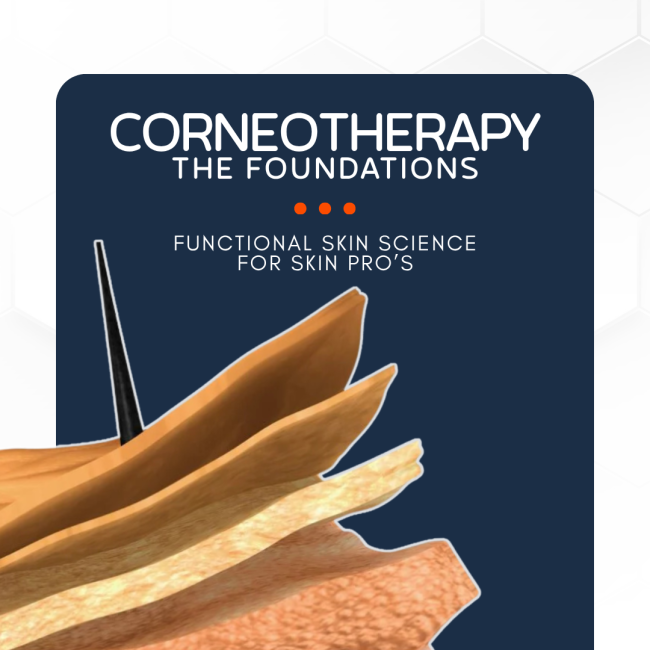
Corneotherapy: The Foundations. Functional Skin Science for Skin Pro's

✓ Verified
Offered by The Corneotherapy Consultant™ · Middleton Cheney, United Kingdom
Habia Endorsed Course with CPD Corneotherapy: The Foundations. Functional Skin Science for Skin Pro's is an advanced, science-based online course designed for qualified…
View course: Corneotherapy: The Foundations. Functional Skin Science for Skin Pro's

Pagination

  • First page « First
  • Previous page ‹‹
  • …
  • Page 14
  • Page 15
  • Page 16
  • Page 17
  • Current page 18
  • Page 19
  • Page 20
  • Page 21
  • Page 22
  • …
  • Next page ››
  • Last page Last »
The Hair and Beauty Directory

Newsletter

For professionals

  • Jobs
  • Classifieds
  • Join
  • Rent a room
  • Business Courses
  • Create your Profile
  • Pricing
  • Advertising with us

Explore

  • Advertise your courses
  • Search
  • Events
  • Find a professional
  • New to the industry
  • Articles & Blogs
  • What is verification?

Guidance

  • Inclusivity
  • HIV Awareness
  • Safety & Boundaries

Company

  • How it works
  • Terms and conditions
  • Contact
  • About Us

© 2026 HABD Limited. All rights reserved.

Members in 14+ countries