

Member
Search for what actually matters to you
Accessibility and inclusivitySearch results
178 results for Facial
Member
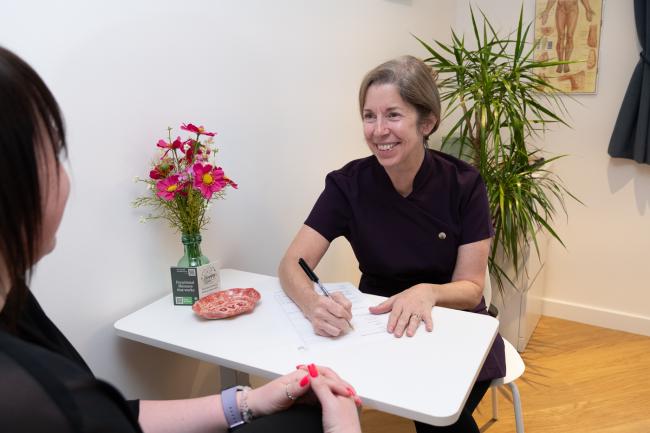
Skin Specialist and Face Yoga Instructor are just two of the hats I wear. Whether you are 6 months or 106 years, if you would like help solving a skin issue or need to…

Training academy
Signature Academy
✓ VerifiedAward-winning VTCT ITEC academy in Stopsley, Luton. Ofqual-regulated qualifications in beauty therapy, micropigmentation, permanent makeup, and advanced aesthetics from…
Endolift
Endolift is a minimally invasive laser treatment for skin tightening and gentle facial contouring, often described as a non-surgical alternative to a mini facelift. A very fine single-use optical fibre, around the thickness of a hair, is inserted just under the skin and delivers 1470nm laser energy into the deeper layers. This warms the tissue to tighten existing collagen, encourage new collagen over the following months and, where wanted, melt small pockets of unwanted fat. It is commonly used on the lower face, jawline, jowls, under the chin and neck, and sometimes small body areas. Because a fibre is passed beneath the skin under local anaesthetic, Endolift sits at the medical end of aesthetics rather than being a simple facial, so it should be carried out by a suitably qualified and insured medical practitioner after a face-to-face consultation. Results build gradually and typically last a couple of years, though this varies with age, skin quality and lifestyle. It suits mild to moderate skin laxity; it will not replicate a surgical facelift for heavier sagging. As with any energy-based procedure, careful candidate selection and correct technique matter, so honest expectations and a thorough assessment are essential.
Start with a proper face-to-face consultation with a qualified medical practitioner, who should take a full medical history, examine the area and confirm whether Endolift genuinely suits your degree of skin laxity. Share any medicines and supplements, particularly blood thinners, and mention recent Roaccutane, a tendency to keloid or poor healing, cold sores, autoimmune conditions, pregnancy or breastfeeding, as these may affect suitability or timing. In the days beforehand you are typically advised to avoid alcohol, aspirin, ibuprofen, fish oils and other supplements that can increase bruising, unless a prescribing clinician tells you otherwise. Arrive with clean skin free of make-up, and pause retinoids or strong actives if advised. Because minor swelling and bruising are common, it is sensible not to book the treatment immediately before a big event, and to arrange a quiet day or two afterwards. Ask about likely results, risks and costs in advance so you can give informed consent.
The area is cleaned and marked, and local anaesthetic is used to keep you comfortable. Your practitioner then inserts a very fine single-use optical fibre through a tiny entry point and passes it in a fanning motion through the deeper layers of the skin, delivering controlled 1470nm laser energy. Some clinics use ultrasound guidance to check the depth as they work, which can help with precision. You may feel warmth, pressure or a slight moving sensation, but sharp pain is not expected once the anaesthetic has taken effect; tell your practitioner if anything feels uncomfortable. The tiny entry points usually need no stitches. A session commonly takes around one to two hours depending on how many areas are treated. Because the fibre works beneath the skin, this is a medical procedure rather than a surface facial, so it should always be performed in a clean clinical setting by a trained, insured practitioner who can manage any complications.
You can usually go home the same day. Cool compresses in the first day or two can ease swelling, and sleeping propped up on an extra pillow helps fluid settle. Keep the tiny entry points clean and dry and follow any specific wound advice your clinic gives. It is generally sensible to avoid strenuous exercise for around five to seven days, facial massage for two to three weeks, and saunas, steam rooms and very hot showers for about a week, as heat can worsen swelling. Alcohol is best avoided for a day or two, and retinoids and strong actives paused for several days. Gentle walking supports natural lymphatic drainage. Protect the skin with a high-factor SPF while it settles. Mild swelling, bruising and tenderness are normal for a few days to a couple of weeks; contact your practitioner promptly if you notice spreading redness, increasing pain, discharge, unusual numbness or lip weakness.
Endolift involves passing a laser fibre beneath the skin under local anaesthetic, so it is a medical procedure and safety rests heavily on who performs it. Choose a suitably qualified, insured practitioner working in a clean clinical setting, ideally a doctor or other medical professional experienced specifically with Endolift, using genuine single-use fibres. Correct depth, energy settings and technique are critical: too aggressive or misplaced treatment risks burns, pigment changes, over-melting of fat and, rarely, temporary nerve irritation causing lip or muscle weakness. Careful candidate selection matters too, because in leaner or more mature faces removing or shrinking fat can leave the face looking more hollow or gaunt rather than lifted, so a good practitioner will discuss whether you are the right candidate. Insist on a proper consultation, written information, informed consent and clear aftercare, and check the practitioner can manage complications or arrange onward medical care if needed.
Treat Endolift as a clinical procedure and be open about your health. It is generally avoided or delayed in pregnancy and breastfeeding, with active skin infection or cold sores in the area, and where there is a history of keloid or poor wound healing. Tell your practitioner about blood-thinning medication, bleeding disorders, diabetes, autoimmune conditions, recent or current Roaccutane use, and any implants, fillers or previous procedures in the area, as these can affect safety, healing or results. Local anaesthetic is used, so flag any anaesthetic allergies or reactions. This is not a treatment for a medical skin or health condition, and it does not replace advice from your GP; if you have underlying health concerns, discuss them with a doctor first. A responsible practitioner will decline or postpone treatment where it is not appropriate, and will provide emergency contact details in case of problems afterwards.
A skin patch test is not the usual step for Endolift, because the key risks come from the procedure itself rather than an allergic reaction to a product. What matters far more is a thorough face-to-face consultation and medical assessment before treatment: a full medical history, medication review, examination of the area, confirmation that your skin laxity is suitable, and a clear discussion of realistic results, risks and aftercare. Any anaesthetic allergies must be checked, since local anaesthetic is used. This assessment is the point at which an insured practitioner identifies contraindications and reduces the risk of harm; skipping it, or being treated without proper records and consent, weakens your protection if something goes wrong. Make sure your consent is informed and that everything discussed is documented.
Be cautious if a non-medical or lightly trained person offers to insert a laser fibre under your skin, or if the treatment is done somewhere that is not a clean clinical setting. Warning signs include no proper face-to-face consultation or medical history, no written information or informed consent, pressure to book quickly or heavily discounted deals, and reluctance to explain the practitioner's qualifications, insurance or complication plan. Reused or non single-use fibres, vague answers about depth and settings, unrealistic promises of a surgical-level facelift result, or dismissing your questions about risks such as burns, hollowing or nerve injury are all reasons to walk away. After treatment, spreading redness, worsening pain, discharge, fever, lasting numbness or lip weakness need prompt medical attention.
Good practice starts with an unhurried, face-to-face consultation with a suitably qualified, insured medical practitioner who is genuinely experienced with Endolift and honest about whether you are a good candidate. Look for a clean clinical environment, genuine single-use fibres, clear explanation of the 1470nm laser technology, depth and settings, and some clinics using ultrasound guidance for precision. A reassuring practitioner takes a full medical history, discusses realistic results and the small risks of burns, pigment change, over-thinning of facial fat and rare nerve irritation, and gives you written information, informed consent and detailed aftercare. They should offer before-and-after examples, clear pricing, contact details for concerns, and a plan for managing any complication. Feeling free to ask questions and to say no is itself a green flag.
- What are your medical qualifications and specific training and experience with Endolift, and are you insured for this procedure?
- Am I a suitable candidate for my degree of skin laxity, or would another treatment or surgery suit me better?
- What realistic results can I expect, and is there a risk of my face looking more hollow if fat is reduced?
- What are the main risks, including burns, pigment change and rare nerve or lip weakness, and how do you reduce them?
- Will you use a genuine single-use fibre, local anaesthetic, and is the treatment carried out in a clinical setting?
- What downtime and aftercare should I plan for, and how do I reach you if I have a problem afterwards?
Once the local anaesthetic has taken effect, most people feel warmth, mild pressure and a slightly odd moving or tugging sensation as the fine fibre passes beneath the skin, rather than sharp pain. Many describe the discomfort as low. You may hear the practitioner working and feel gentle heat as the laser is delivered. Afterwards it is normal for the treated area to feel tender, tight, swollen and a little numb or bruised for several days, and the skin may feel firmer as it settles. Any sharp or worsening pain during or after treatment should be reported to your practitioner, as comfortable, controlled treatment is what you should expect.
Downtime is usually modest but not zero. Many people manage light social activities within a day or two, though swelling, bruising and tenderness can last anywhere from a few days to around two weeks depending on the area and how you heal. Swelling often peaks a few days in before settling. The tiny entry points fade quickly. It is wise to keep a quiet day or two free and avoid major events for a couple of weeks. Skin remodelling continues quietly for several months as new collagen forms, so the visible recovery and the final result are on different timelines.
Endolift results build gradually rather than appearing overnight. Some tightening may be noticeable within the first few weeks, but the fuller effect develops over roughly three to six months as new collagen forms and the skin remodels. Results are commonly reported to last around two years, and sometimes longer, though this varies considerably with your age, skin quality, sun exposure, weight changes and general lifestyle. It works best for mild to moderate laxity and will not match a surgical facelift for heavier sagging, so honest expectations are important. Your practitioner can tailor the treatment to focus more on tightening or on gentle fat reduction depending on your face and goals. To protect your outcome, look after your skin with good sun protection, a sensible skincare routine and a stable weight. Some people choose a repeat treatment in future once results begin to soften; discuss timing with your practitioner rather than treating too often.
Treatment provider
Free parking for visitors. Please park on either Howe Road or Cavendish Road. Howe Road is a one-way street and Cavendish Road is only accessible via Lache Lane. The…
- Card payments accepted
- Gender neutral salons
- Parking available

Member
Tina Sinclair — electrolysis and advanced skin specialist at The Tina Sinclair Clinic in Dunfermline, Fife, offering permanent hair removal, blemish removal and medical…

Treatment provider
I’m Charlotte, a waxing technician, with expertise in women’s intimate waxing services and inclusive body treatments for all genders. Every service is performed with…
- Allergy-aware treatments
- Card payments accepted
- Cash payments accepted

Classified
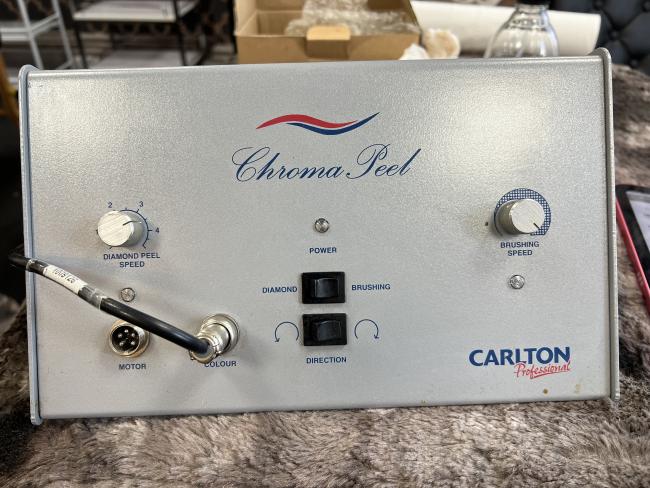
Used microdermabrasion machine. was used for teaching, very little use. ideal for anyone teaching facial electricals comes with all diamond heads and LED
Spray tan
A spray tan is a form of sunless tanning that gives your skin a golden, sun-kissed look without any exposure to UV. A fine mist of solution is applied to the skin, either by a trained therapist using a spray gun or in an automated booth. The active ingredient is usually dihydroxyacetone (DHA), a colouring agent that reacts with amino acids in the outermost layer of the skin to gradually produce a brown tone. Because the colour sits on the surface and is not caused by UV damage, a spray tan is widely regarded as a lower-risk alternative to sunbathing or sunbeds. It is important to understand, though, that a spray tan offers no protection from the sun, so you still need sunscreen. In the UK, DHA is permitted in cosmetic products at controlled concentrations, and reputable salons follow guidance on safe use. The depth of colour can be tailored to you, from a light, natural glow to a deeper bronze, by adjusting the strength of the solution, the number of passes and how long it is left to develop. Results typically last several days before fading gently.
Service
Good preparation is the difference between an even, long-lasting tan and a patchy one. In most cases, exfoliate thoroughly around 24 hours beforehand to remove dead skin, paying attention to drier areas such as elbows, knees, ankles and hands. If you shave or wax, do this at least 24 hours in advance so pores can close and the colour does not settle into open follicles. On the day, arrive with clean, product-free skin: avoid moisturiser, deodorant, perfume, make-up and oils, as these can create a barrier and cause uneven results. Keep skin hydrated in the days before, but skip lotion on the appointment day itself. Wear loose, dark clothing and open shoes to travel home in, and remove contact lenses or jewellery if asked. If this is your first treatment, or you have sensitive or reactive skin, request a patch test in advance. Tell your therapist about any skin conditions or medications, and ask any questions before you start.
The treatment itself is quick, typically taking around 10 to 15 minutes. You will usually undress to your comfort level, often in disposable underwear provided by the salon, and stand in a designated tanning area or booth. A barrier cream may be applied to drier areas such as hands, feet, knees and elbows to stop them grabbing too much colour. Your therapist will guide you into a series of poses so the mist reaches the skin evenly. To reduce inhalation of the DHA mist, you should typically be offered protective measures such as nose filters, a cap for your hair and eyewear, and you may be asked to hold your breath and close your eyes and mouth during facial passes. Good salons work in a well-ventilated space. The solution feels cool and slightly damp on application. Some formulations include a temporary bronzer, so you may look tanned straight away, while the true colour develops over the following hours.
After your treatment, keep the skin dry and avoid anything that could disturb the developing colour. Do not shower, swim, sweat heavily or exercise until the recommended development time has passed, which varies by product but is often between six and eight hours, or as advised for rapid-develop formulas. Wear loose, dark clothing and avoid tight straps, seatbelts and bags rubbing against the skin. When it is time to rinse, take a cool, plain water shower without soap or scrubbing until the water runs clear, then pat rather than rub yourself dry. From the next day, moisturise generously twice a day, as well-hydrated skin holds colour for longer and fades more evenly. Avoid long baths, chlorinated pools, saunas and vigorous exfoliation, which all speed up fading. Crucially, remember your tan gives no sun protection, so continue to apply a broad-spectrum sunscreen whenever you are outdoors.
The most important thing to understand is that a spray tan provides no protection against UV rays. It does not act as a sunscreen, and you can still burn and damage your skin, so a broad-spectrum SPF remains essential outdoors. DHA is intended only for external skin and should be kept away from the eyes, lips and other mucous membranes, and should not be inhaled, as the mist can irritate the respiratory tract and eyes. For this reason, choose a salon that offers nose filters, eye protection and good ventilation, and follow instructions to close your eyes and mouth during facial passes. A spray tan should not be applied over broken skin, open wounds, sunburn, active eczema or infected areas. Automated booths and hand-held guns both carry the same inhalation considerations. If you have asthma or any respiratory condition, discuss this with the salon and your GP beforehand, as extra care with the mist is sensible.
Certain skin and health conditions warrant a conversation with your therapist and, where relevant, a GP before booking. If you have eczema, psoriasis, rosacea, dermatitis or very sensitive skin, the solution or its fragrances and additives can sometimes trigger irritation or a flare, so a patch test is wise. People with asthma or other respiratory conditions should take particular care around the inhaled mist and may prefer a lotion-based application. If you are pregnant or breastfeeding, current thinking generally regards topical DHA as low risk because little is absorbed, but reputable salons often advise caution and recommend checking with your midwife or GP first, partly because of the inhalation point. UK guidance also raises concerns about use in children. Always disclose skin conditions, allergies and medications, especially anything affecting the skin, so your therapist can advise whether the treatment is suitable for you.
A patch test is recommended before a first treatment and for anyone with sensitive, reactive or allergy-prone skin, because DHA solutions and their fragrances can occasionally cause irritation or an allergic reaction. It usually involves applying a small amount of product to a discreet area, often the inner arm, 24 to 48 hours ahead and checking for redness, itching or swelling. Reactions are uncommon, but a patch test reduces the risk of an unpleasant surprise over a large area. Reputable UK salons also protect you from inhaling the DHA mist by providing nose filters, eyewear and ventilation and asking you to hold your breath during facial passes, as inhalation can irritate the airways. For a UK salon, offering a patch test and these protective measures is part of responsible practice and sound insurance and liability cover.
Be cautious if a salon dismisses your request for a patch test, cannot explain the ingredients, or refuses to answer questions about how they protect you from inhaling the mist. It is a warning sign if no nose filters, eye protection or hair cap are offered, if the room is poorly ventilated, or if you are encouraged to breathe in the spray. Applying tan over broken skin, sunburn, open wounds or an active skin flare is not appropriate. Vague or absent aftercare advice, no insurance, an untrained operator, or any claim that the tan protects you from the sun should all prompt you to look elsewhere. Stop and seek medical advice if you develop breathing difficulty, a spreading rash or significant swelling.
A good salon or mobile therapist will hold a recognised tanning qualification and public liability insurance, and will happily talk you through the products they use. They offer or recommend a patch test for new or sensitive clients, and they provide protective measures such as nose filters, eyewear and a hair cap, working in a clean, well-ventilated space. Expect a brief consultation about your skin, health and the depth of colour you want, with the shade tailored to suit you rather than a one-size-fits-all approach. They will apply barrier cream to dry areas, give clear written aftercare, and remind you that the tan offers no sun protection. Honest advice about realistic results and suitability, rather than pressure to book, is a reassuring sign.
- What DHA concentration and brand of solution do you use, and can I see the ingredients?
- Do you offer a patch test, and how far in advance should I have one?
- What do you provide to protect my eyes, nose and mouth from the mist, and how is the room ventilated?
- How will you tailor the depth of colour to my skin tone and the look I want?
- What is your aftercare advice, including how long before I should first rinse?
- Are you qualified and insured, and is the treatment suitable given my skin condition or health history?
Most people find a spray tan comfortable and quick. The mist feels cool and lightly damp as it lands, and can be a little chilly, especially in a booth, though this passes quickly. As the solution dries you may notice a slight tacky or sticky feeling on the skin, and some formulas have a distinctive scent as the DHA develops, which usually fades after rinsing. It is normal for the skin to feel a touch tight until you moisturise. You should not feel any stinging, burning or itching; if you do, tell your therapist, as this can signal sensitivity. Keeping your eyes and mouth closed during facial passes helps avoid any irritation from the mist.
There is generally no downtime with a spray tan, and most people return to their normal routine straight away, taking care only to protect the developing colour. You can go about your day once the initial solution feels dry to the touch, avoiding water, sweat and friction until the development time is complete. If you experience any itching, redness, rash or difficulty breathing during or after the treatment, rinse the area and seek advice from a GP or, if symptoms are severe, urgent medical care. In most cases the only after-effect is the temporary colour itself, which fades gradually over several days rather than needing any recovery period.
A spray tan typically begins to show within a few hours and reaches its full depth around 8 to 24 hours after application, then lasts roughly five to ten days before fading as the outer skin cells naturally shed. How long it lasts depends on your skin type, how well you prepare and your aftercare. To keep your colour looking its best, moisturise daily, as hydrated skin fades more slowly and evenly, and avoid long hot baths, chlorinated pools, saunas and harsh exfoliation, which strip the colour faster. Pat skin dry rather than rubbing, and use gentle, oil-free products where possible. The depth of colour can be built or refreshed at your next appointment by adjusting the solution strength, number of passes and development time. When the tan fades, exfoliate to remove any patchiness before reapplying. Throughout, keep using sunscreen outdoors, as the tan gives no UV protection.