Laser hair removal uses a focused beam of light that is absorbed by the pigment (melanin) in the hair, heating the follicle to reduce future growth. It is one of the most popular longer-term hair-reduction methods in the UK and is typically used on the legs, underarms, bikini area, face, back and chest. Because the light targets pigment, results and safety depend heavily on the match between your hair colour, skin tone and the type of laser used, which is why a proper consultation matters. It works best on dark hair and is less effective on very fair, grey, red or white hair, which hold little pigment. Modern devices such as Nd:YAG lasers have made treatment safer for darker skin tones, but settings must be chosen carefully to avoid burns or pigment changes. Laser hair removal reduces hair rather than removing it permanently in every case, so most people need a course of sessions followed by occasional maintenance. When carried out by a trained, competent practitioner using well-maintained equipment and correct settings for your skin, it is a well-established treatment with a good track record. This guide explains how to prepare, what to expect and how to choose a provider safely.
Good preparation protects your skin and improves results. Shave the treatment area a day or two beforehand so the hair root remains in the follicle but the surface hair does not scorch; do not wax, pluck, thread or use epilators for around four to six weeks before, as these remove the root the laser needs to target. Avoid sun exposure, sunbeds and fake tan for at least two to four weeks before your appointment, because tanned or recently sun-exposed skin raises the risk of burns and pigment changes. Come to the treatment with clean skin, free of make-up, deodorant, creams or oils on the area. Tell your practitioner about any medicines you take, particularly anything that increases light sensitivity, and about recent or planned holidays in strong sun. If you have taken isotretinoin (Roaccutane), most UK clinics ask you to wait around six months after finishing. Discuss any skin conditions, cold-sore history or tattoos near the area so treatment can be planned safely.
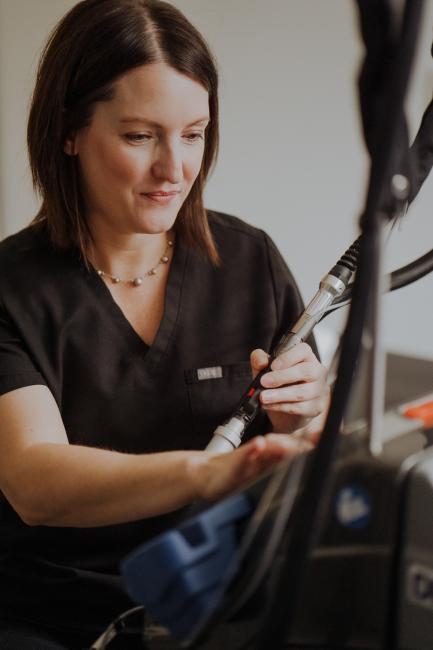
At your first visit the practitioner should take a full history, assess your skin tone and hair, discuss expectations and carry out a patch test before any full treatment. During a session you and the practitioner wear protective goggles, as the light can damage eyes. A cool gel or a device with an integrated cooling system is often used to protect the skin surface and ease discomfort. The handpiece is placed against the skin and pulses of light are delivered across the area, section by section. Most people describe the sensation as a warm pinging or an elastic band snapping against the skin. Treatment time depends on the size of the area, ranging from a few minutes for the upper lip to around an hour for larger areas such as legs or back. A competent practitioner adjusts the settings to your skin type and hair, watches your skin's response closely and checks in with you throughout. Afterwards the area may look slightly pink with mild bumps around the follicles, which usually settles within hours.
Gentle aftercare helps your skin recover and lowers the risk of pigment changes. Some redness and mild swelling around the follicles is normal for a few hours and occasionally up to a day or two. Keep the area cool and avoid heat for around 24 to 48 hours, so no hot baths or showers, saunas, steam rooms, hot yoga or vigorous exercise that makes you sweat heavily. Avoid swimming pools and anything that might irritate the skin. Do not pick, scratch or exfoliate the area while it is sensitive, and skip perfumed products, deodorant on treated underarms and harsh actives such as retinoids or acids for a couple of days. Sun protection is essential: keep the area covered and apply a high-factor broad-spectrum SPF daily, avoiding direct sun and sunbeds throughout your course and for several weeks afterwards. You may notice hairs appearing to grow in the following one to three weeks; this is often the treated hairs shedding, so let them fall out naturally rather than plucking. Follow the specific advice your clinic gives you.
Laser hair removal is an energy-based treatment, so practitioner competence and correct settings are the heart of safe care. The light generates real heat, and settings that are too high, the wrong device for your skin tone, or poor technique can cause burns, blistering and long-lasting pigment changes, particularly on darker or tanned skin. Choose a practitioner who is properly trained in laser and IPL, understands different skin types and lasers, uses well-maintained, serviced equipment and always provides eye protection. In England, clinics providing laser hair removal for cosmetic purposes are generally expected to consider Care Quality Commission requirements where the treatment is medical in nature, and standards vary across the UK, so it is reasonable to ask how a provider is regulated and insured. A thorough consultation, an accurate assessment of your skin tone and a patch test before full treatment are non-negotiable safety steps. Never accept treatment on sunburnt, broken or actively tanned skin, and be wary of anyone who skips the patch test or cannot explain how they set the machine for you.
Some medical circumstances make laser hair removal unsuitable or mean it should be delayed, so an honest medical history matters. Treatment is usually avoided during pregnancy as a precaution, and while there is no evidence of harm, most clinics prefer to wait. Certain medicines increase light sensitivity, including some antibiotics, St John's Wort and other photosensitising drugs, and isotretinoin (Roaccutane) usually requires a wait of around six months after your last dose because the skin is more fragile. Conditions such as active eczema or psoriasis in the area, vitiligo, a tendency to keloid scarring, light-sensitive epilepsy, bleeding disorders or a history of cold sores near the treatment site all need discussion first. Hormone-related hair growth, for example with polycystic ovary syndrome, can affect results and may need more sessions. If you are unsure whether a health condition or medication affects your suitability, speak to your GP or a suitably qualified practitioner before booking. Laser hair removal is a cosmetic treatment and is not a diagnosis or cure for any underlying condition.
A patch test is standard and important for laser hair removal, and a responsible clinic will not skip it. A small area is treated at the proposed settings, then reviewed after around 24 to 48 hours to check how your skin reacts before committing to a full session or a course. This helps the practitioner confirm the right device and settings for your skin tone and hair, and reduces the risk of burns or pigment changes, which is especially valuable for darker, sensitive or recently sun-exposed skin. Alongside the patch test, a thorough consultation and medical history screen for contraindications such as photosensitising medicines, recent isotretinoin, tanning or skin conditions. From a UK liability standpoint, these checks protect you and evidence that the practitioner assessed your suitability, so a provider who offers to proceed with no patch test or consultation is a genuine warning sign.
Be cautious if a provider skips the consultation, patch test or medical history, or is happy to treat sunburnt, broken or freshly tanned skin. It is a warning sign if they cannot tell you which laser they use, why it suits your skin tone, or how they choose the settings for you. Other red flags include no eye protection offered, equipment that looks poorly maintained or is not regularly serviced, no proof of relevant laser training, no insurance, and pressure to buy large packages upfront before you have had a patch test. Promises of guaranteed permanent removal in a fixed number of sessions, dismissing your questions, or reluctance to explain how they are regulated should all make you pause and look elsewhere.
Good practice starts with a proper consultation that assesses your skin tone and hair, reviews your medical history and medicines, and sets realistic expectations. Look for a practitioner with recognised laser and IPL training who can clearly explain which device they use and why it suits you, and who always carries out a patch test 24 to 48 hours before your first full session. Well-maintained, serviced equipment, correct eye protection for you and the practitioner, and clear written before-and-after advice are all reassuring signs. A trustworthy provider is transparent about their qualifications, insurance and how they are regulated, tailors the settings and number of sessions to you, and is happy to answer questions without pressure or hard selling.
- What training and qualifications do you hold in laser or IPL hair removal, and are you insured?
- Which type of laser do you use, and why is it suitable for my skin tone and hair colour?
- Will I have a patch test before my first full session, and how long before?
- How are you regulated, and how is your equipment maintained and serviced?
- How many sessions am I likely to need, and what results are realistic for me?
- What are the possible side effects, and what should I do if I have a reaction such as blistering?
Most people find laser hair removal very tolerable rather than painful. The usual description is a warm, quick pinging or a light elastic band snapping against the skin as each pulse is delivered, followed by brief heat. Many modern devices have built-in cooling that makes this more comfortable, and a cool gel may also be used. Sensitive or bony areas such as the upper lip, bikini line and underarms tend to feel a little sharper, while larger areas like the legs are usually milder. Afterwards the skin often feels warm, like mild sunburn, with some tingling. The intensity can be tailored to your comfort and skin, so tell your practitioner if anything feels too hot or too strong.
Laser hair removal generally involves little to no downtime, and most people return to their normal day straight away. It is common to have some redness and small raised bumps around the hair follicles, similar to a mild heat rash, which typically fades within a few hours and sometimes over a day or two. Sensitivity to heat, exercise and sun is highest in the first 24 to 48 hours. More noticeable reactions such as blistering, crusting or lasting colour change are uncommon when settings are correct, but they are more likely with sun-exposed or tanned skin. If you notice blistering, significant pain or signs of a burn, contact your clinic promptly for advice.
Laser hair removal reduces hair gradually rather than removing every hair in one go, because it works best on follicles in their active growth phase and only a proportion are active at any time. Most people need a course of around six to eight sessions spaced several weeks apart, with the exact number depending on the area, your hair and skin, and hormonal factors. Over the course you should see hair becoming sparser, finer and slower to return. Results can be long-lasting, but they are best described as long-term hair reduction rather than guaranteed permanent removal, and many people benefit from occasional top-up or maintenance sessions once or twice a year. Hormonal changes, such as those linked to polycystic ovary syndrome, pregnancy or menopause, can trigger new growth over time. To protect your results and skin, keep using sun protection, avoid plucking or waxing between sessions and shave instead, and attend your maintenance appointments as advised. Your practitioner can tailor the plan to your goals and skin.