Member
Natural nail specialist Nail and pedicure services Prescriptive nail services - damaged, weak and thin nails. HD Professional Nail Systems Famous Names Aceso -…
17 results for Hard Gel Nails
Hard gel is a durable, UV or LED-cured gel system used to add strength, length or a protective overlay to the natural nail. Unlike builder in a bottle (BIAB) or many soak-off builder gels, cured hard gel forms a rigid, tightly cross-linked structure that acetone cannot dissolve, so it is removed by careful filing rather than soaking. This makes it a popular choice for longer extensions, sculpted shapes and clients who want hard-wearing enhancements that resist chipping and cracking. It is typically applied over the natural nail or a form, built up to create an apex for balance, then filed and shaped before colour or a top coat. A skilled technician can tailor the length, thickness, shape and finish to suit your nails and lifestyle, from a subtle natural overlay to bold sculpted tips. Hard gel is a cosmetic nail service rather than a medical treatment, and when applied well it can look and wear beautifully. The main considerations are protecting the health of your natural nail, avoiding skin contact with uncured product to reduce the risk of allergy, and having removal done properly, as heavy-handed filing is where most nail damage occurs.
Come with clean nails and, ideally, bare of old product unless you are booked for infills or a rebalance. Avoid cutting or pushing back your cuticles aggressively for a day or two beforehand, as broken skin around the nail makes contact with uncured gel more likely and can increase the chance of irritation or allergy. If you have had any reaction to gel, acrylic, or artificial nails before, or you notice itching, redness or lifting around previous sets, tell your technician before they start, as this can be an early sign of methacrylate (including HEMA) sensitivity. Let them know about any nail conditions, recent nail trauma, skin conditions such as eczema or psoriasis around the nails, or medications, and if you are pregnant or breastfeeding. Bring photos if you have a particular length or shape in mind. A brief consultation helps your technician assess whether your natural nails are healthy enough and choose the right system, structure and length for you.
Your technician will start by assessing your nails and discussing the length, shape and finish you want. The nail is gently prepped, cuticles tidied and the surface lightly buffed to help the gel adhere, avoiding over-filing of the natural nail. Hard gel is thicker than gel polish, so it is applied in controlled layers and, for extensions, built over a form or tip to create structure and an apex. Each layer is cured under a UV or LED lamp, usually for around 30 to 120 seconds depending on the product and lamp, and you may feel a brief warm or hot sensation as it cures. The nails are then filed and refined to shape before colour, an overlay or a top coat is added and cured. A careful technician keeps product off your skin and cuticles throughout. A full set of extensions can take a couple of hours, while an overlay or infill is quicker. The process should be comfortable, with no pain or bleeding.
Hard gel is fully cured before you leave, so your nails are ready to use, but treat them kindly for the first day. Apply cuticle oil daily, as this keeps the surrounding skin conditioned and the enhancement flexible, and moisturise your hands regularly. Wear gloves for washing up, cleaning and gardening, since chemicals and prolonged water exposure can weaken the seal and lift the product. Avoid using your nails as tools to pick, scrape or open things, as this is the main cause of cracks and lifting. Never pick, peel or bite at lifting gel, because pulling it off takes layers of your natural nail with it and can trigger or worsen an allergy through repeated skin contact with the product. Book infills roughly every two to three weeks to maintain structure and prevent lifting, and return for professional removal rather than doing it yourself. If you develop itching, redness, swelling, warmth or tenderness around the nails, or the nail starts to loosen, stop and seek advice from your technician and, if needed, a GP.
The most important safety points with hard gel are keeping uncured product off your skin, curing it fully with the correct lamp, and removing it properly. Repeated skin contact with uncured or under-cured gel is the main driver of the methacrylate allergies UK dermatologists have warned are rising, which is why a competent technician applies thin, controlled layers away from the cuticle and uses the lamp matched to their product system. Choose a trained, insured technician who works in a clean environment, uses sanitised tools and dust extraction, and follows manufacturer curing times, as under-curing leaves reactive product against the nail and skin. Because hard gel is filed off rather than soaked off, skilled removal matters just as much as application; heavy or careless filing thins and damages the natural nail. Good ventilation and dust protection during filing help both you and your technician. Once a methacrylate allergy develops it can be lifelong and may also affect dental and medical materials, so prevention is the priority. This is a cosmetic service, not a medical one, but reactions should be taken seriously.
Hard gel is a cosmetic treatment and is not suitable for everyone. It should only be applied to healthy, intact nails and skin, so if you have a nail infection such as a fungal infection, inflamed or broken skin, or a flare of eczema or psoriasis around the nails, wait until it has settled and seek advice first. Tell your technician if you have diabetes, poor circulation, a compromised immune system or any condition affecting healing, as these raise the risk if the skin is broken during prep or removal. If you have ever reacted to gel, acrylic, artificial nails, or dental resins, hard gel may not be appropriate, as these can share methacrylate ingredients. Repeated UV exposure to the hands during curing is generally low, but if you are on medication or have a condition that increases photosensitivity, mention it and consider fingerless UV-protective gloves. This treatment does not diagnose or treat any nail or skin condition; if you have a persistent nail problem, see a GP, pharmacist or a podiatrist or dermatologist for proper assessment.
A formal skin patch test is not the standard for gel services in the way it is for hair or lash dyes, and it is not fully reliable for methacrylate allergy, but a proper consultation and risk check is essential. Your technician should ask about any previous reactions to gel, acrylic, artificial nails or dental resins, check the health of your nails and surrounding skin, and confirm there are no contraindications before proceeding. The safest protection is not a single test but correct technique on the day: thin layers, no skin contact and full curing with the right lamp. From a UK liability point of view, a technician who records your history, keeps product off the skin and cures correctly is following best practice, whereas skipping these checks can leave an insured practitioner found at fault if a client reacts. If you are prone to allergies, ask about a HEMA-free system and a cautious trial on fewer nails first.
Be cautious if a technician cannot tell you their training or insurance, reuses files or tools without sanitising them, or works in a visibly unclean space. Product being flooded onto the skin or cuticles, gel that is not fully cured, or using a random lamp that does not match the gel brand all raise the risk of allergy and should concern you. Aggressive drilling or filing that leaves your natural nails thin, sore or bleeding is a serious warning sign, as is any pressure to have gel forcibly peeled or pried off. Dismissing a history of previous reactions, or brushing off itching, redness or lifting rather than pausing treatment, is not safe practice. Ongoing burning during curing beyond a brief warm flash, or being rushed through prep and removal, are also reasons to stop and reconsider.
A good technician holds recognised nail training and current insurance, and is happy to discuss both. They keep a clean, well-ventilated workspace, sanitise or use single-use tools, and use dust extraction when filing. They take a brief history, ask about previous reactions and check your nails and skin before starting. During the treatment they apply thin, controlled layers, keep product off your skin and cuticles, and cure with the correct lamp for their gel system for the full recommended time. They avoid over-filing your natural nail during prep and, importantly, during removal, filing hard gel off gently and patiently rather than forcing it. They explain aftercare, encourage cuticle oil and gloves, and advise you to return for professional infills and removal. Clear pricing, honest advice about what suits your nails, and willingness to use a HEMA-free option are all good signs.
Hard gel application should be comfortable and pain-free. The most noticeable sensation is a short burst of heat as each layer cures under the lamp, sometimes called a heat spike, which can feel warm to briefly hot on the nail. This is more likely with thicker layers or on thin or damaged nails, and lifting your hand out of the lamp for a second usually eases it. You may feel light buffing and filing vibrations during prep and shaping, and gentle pressure as the nail is worked, but you should never feel sharp pain, burning of the skin, or any bleeding. Your nails may feel a little thicker or heavier afterwards. Any ongoing throbbing, soreness or heat after your appointment is not typical and should be checked.
There is no downtime with hard gel nails, and you can return to your normal day straight away, as the product is cured and set before you leave. Your nails may feel slightly thicker or heavier than usual at first, which most people adjust to quickly. It is normal to be more aware of length or a new shape for a day or two. If you experience any lasting soreness, throbbing, heat or discomfort under or around a nail after your appointment, that is not typical and may point to a lifted product, an over-filed nail plate or an early reaction, so contact your technician. Persistent redness, itching or swelling should be checked, and you should see a GP if symptoms spread or do not settle.
With good application and care, hard gel is hard-wearing and can look fresh for several weeks, typically holding well for around two to four weeks before infills are needed as your natural nail grows out. Because it does not soak off, it is maintained through regular infills or rebalancing rather than full removal each time, and many people keep a set going for months with routine upkeep. To get the best wear, apply cuticle oil daily, moisturise, wear gloves for wet or rough work and avoid using your nails as tools. Lifting, cracks or a caught edge are your cue to book in rather than pick at it. When you want it off, or want to give your nails a break, have it filed off professionally, as this protects the natural nail. Results can be refreshed with new colour or shape at each infill, and a good technician will monitor your natural nail health over time and suggest a rest period if needed.
A luxury pedicure is an extended, pampering version of a standard pedicure that cares for the feet, nails and lower legs while adding a spa-like experience. Alongside the usual soak, nail shaping, cuticle tidying and hard-skin softening, a luxury treatment typically includes an exfoliating scrub, a nourishing mask, a longer relaxing massage of the feet and calves, and a polish or gel finish if wanted. Some salons add warm booties, hot towels or a paraffin wax dip to leave skin especially soft. It is a comfort and grooming treatment rather than a medical one, so it is well suited to keeping feet looking and feeling their best, but it is not a substitute for podiatry care. The main things that make a pedicure safe and enjoyable are good salon hygiene, properly cleaned or single-use tools, and a therapist who checks your feet first and works gently. Results can be tailored to you, from the level of exfoliation and massage pressure to whether you finish bare, with regular polish, or with longer-lasting gel. If you have any foot health concerns, it is worth mentioning them before you book.
There is little you need to do beforehand, which is part of the appeal. Avoid shaving or waxing your legs on the day, as freshly shaved skin can be more sensitive to exfoliation and massage products. Remove any old polish, or let the salon do it for you, and go with clean, dry feet where you can. It helps to wear open-toe sandals or loose footwear to your appointment, especially if you are having polish, so you do not smudge the finish afterwards. Think about whether you want colour, and bring inspiration if that helps. Most importantly, be ready to share relevant health information: let your therapist know if you have diabetes, poor circulation, are pregnant, take blood-thinning medication, or have any cuts, verrucas, athlete's foot, ingrown nails or other foot problems. If you have an active infection or an open wound, it is usually best to reschedule until it has healed.
Your therapist will normally start with a brief chat about your feet and any health considerations, then have a look at your nails and skin. Your feet are soaked in warm water to soften the skin and help you relax. From there the treatment typically covers nail trimming and shaping, gentle cuticle care, and softening and buffing of hard skin, followed by an exfoliating scrub to smooth rough areas. A luxury version usually adds a hydrating mask, sometimes wrapped in warm towels or booties, and a longer massage of the feet and lower legs. You finish with moisturiser and, if you wish, a polish or gel colour. The whole experience is designed to be comfortable and calming, so nothing should hurt. A good therapist will check the water temperature with you, ask about massage pressure, and work carefully around any tender spots. Expect it to take longer than a standard pedicure, often around an hour, so you can properly unwind.
To get the most from your pedicure, keep feet moisturised daily, paying attention to heels and any areas prone to hard skin, and drink plenty of water to support soft skin. If you have had polish or gel, give it time to set fully before putting on closed shoes, and choose open footwear for the first few hours where you can. Wear breathable socks and well-fitting shoes to protect the finish and keep feet healthy. Avoid very hot baths, swimming pools, saunas and heavy exercise for the rest of the day if you have gel, as heat and moisture can affect how it wears. Between appointments, a gentle foot file on dry skin helps manage hard skin without overdoing it. Keep nails trimmed straight across to reduce the risk of ingrowing. If you notice any redness, swelling, unusual soreness or signs of infection in the days afterwards, contact the salon and, if it does not settle, see your GP or a podiatrist.
Hygiene is the single most important safety factor in a pedicure, because the feet are being soaked, filed and worked on together with other clients throughout the day. Look for a clean, tidy salon where tools are either single-use or properly sterilised between clients, ideally in an autoclave, and where foot baths or bowls are disinfected or lined with a fresh liner for each person. Files and buffers that touch skin should be new or disposable. A good therapist checks your feet before starting, works gently, and will not treat over broken skin, an active infection such as athlete's foot, or a verruca, as these can spread or worsen. Water should be comfortably warm, not hot, and blades or aggressive callus cutting are best avoided, as they can nick the skin and invite infection. If anything about the cleanliness or approach feels wrong, it is reasonable to pause and ask, or to leave.
A pedicure is low-risk for most healthy people, but some conditions need extra care or make it wise to check with a professional first. If you have diabetes, you may have reduced sensation and slower healing, so even a small nick can become serious, and callus removal and nail cutting should be very gentle, water kept only warm, and podiatry care considered for anything beyond cosmetic tidying. Poor circulation, peripheral neuropathy, and taking blood-thinning medication all raise the risk of bruising or wounds that are slow to heal. If you are pregnant, let your therapist know, as certain pressure points and firm calf massage may be avoided. Verrucas, athlete's foot, fungal nail infections, ingrown toenails, ulcers or open cuts should be seen by a GP or podiatrist rather than treated in a salon, both for your safety and to avoid spreading infection. When in doubt, ask your therapist and speak to your GP or a registered podiatrist before booking.
A skin patch test is not routine for a standard pedicure, as the treatment does not usually involve the allergy-prone chemicals found in tints or hair colour. The key pre-treatment safeguard is instead a proper consultation and contraindication check: your therapist should ask about diabetes, circulation, neuropathy, pregnancy, medication such as blood thinners, and any infections, cuts or foot conditions, and look at your feet before starting. This protects you and matters for UK liability, because an insured therapist who works over an infection, open wound or unsuitable foot without checking could be found at fault in a claim. If you are having gel polish and have reacted to gel or acrylic products before, mention it, as gel systems can occasionally cause allergy, and a patch test may then be sensible.
Be cautious if tools look reused without cleaning, if files, buffers or blades are not single-use or clearly sterilised, or if the foot bath is not disinfected or freshly lined between clients. A therapist who does not ask about your health or look at your feet before starting is skipping an important safety step. Using a credo blade or scalpel to cut away hard skin is best avoided in a salon, as it can easily nick the skin. It is a warning sign if staff are willing to treat over athlete's foot, a verruca, an open cut or an obvious infection, or if the water is uncomfortably hot. A rushed, painful treatment, dirty towels, or a general lack of cleanliness are all reasons to speak up or leave.
Good signs include a clean, well-kept salon with visibly tidy workstations and fresh towels for each client. Tools are single-use or sterilised between clients, ideally in an autoclave, and foot bowls are disinfected or given a new liner every time. A good therapist starts with a friendly consultation, asks about your health and any foot concerns, and checks your feet before beginning. They keep the water comfortably warm rather than hot, check massage pressure with you, and work gently around tender areas without resorting to blades on hard skin. They are happy to explain what they are doing, tailor the treatment to you, and will suggest you see a GP or podiatrist if they spot something that needs proper medical attention. Clear aftercare advice at the end is another reassuring sign.
A pedicure should feel relaxing and comfortable throughout. The warm soak is soothing, and most people find the massage of the feet and lower legs the highlight. You may notice a light tickling or ticklish sensation during buffing, filing or exfoliation, and a gentle scratchy feel from the scrub. Cuticle work and hard-skin softening should feel mild, never sharp or painful. A mask or paraffin dip may feel warm and cocooning. Nothing should hurt, sting or feel like a cut. If anything is uncomfortable, too firm, or the water feels too hot, tell your therapist straight away so they can adjust, as a good treatment is always tailored to your comfort.
A pedicure has essentially no downtime, and most people head straight back to their normal day feeling pampered. The only real consideration is drying time if you have had polish or gel, so allow a little while before putting on closed shoes to avoid smudging. Skin may feel slightly more sensitive right after exfoliation, so it is sensible to skip very hot water, saunas and long sun exposure for the rest of the day. If your legs were massaged firmly you might feel pleasantly relaxed or a touch tender, which settles quickly. There is no recovery period to plan around, but if anything feels sore or looks inflamed afterwards, mention it to the salon and seek advice if it persists.
Freshly pedicured feet usually feel smooth, soft and well-groomed straight away, and a good treatment leaves nails neat and skin nourished. How long it lasts depends on the finish and your routine. Bare or regular polish typically looks its best for around a week or two, while gel polish can stay glossy for roughly two to three weeks before regrowth shows. The smoothness of exfoliation and massage tends to last a week or so, and can be extended by moisturising daily and using a foot file gently on dry skin between visits. Many people book a luxury pedicure every four to six weeks to keep feet in good shape, or more often in sandal season. Wearing well-fitting shoes, keeping nails trimmed straight across, and staying on top of hard skin all help results last. If you have gel, have it removed professionally rather than picking it off, to protect the natural nail.
A pedicure is a cosmetic treatment for the feet and toenails that combines cleansing, nail shaping, cuticle care, gentle exfoliation of hard skin, moisturising and, if you wish, polish. Most salon pedicures are relaxing, low-risk treatments that leave feet feeling smoother and looking tidier, and the finish can be tailored from a simple file-and-polish to a longer spa treatment with soaking, massage and a foot mask. It helps to know the difference between a cosmetic pedicure, carried out by a nail technician, and a medical pedicure, carried out by a podiatrist or foot health practitioner who can also treat conditions such as ingrown toenails, corns, verrucas and fungal problems. A cosmetic pedicure keeps healthy feet looking and feeling their best; it is not a treatment for a foot health problem. The single most important factor in a good, safe result is hygiene, because feet, warm water and shared equipment can pass on bacterial, fungal and viral infections if tools and foot spas are not properly cleaned between clients. If you have any foot health concern, a podiatrist or GP is the right person to see first.
There is little you need to do beforehand, but a few simple steps reduce risk and help your therapist. Avoid shaving or waxing your legs in the twenty-four hours before your appointment, because tiny breaks in the skin can let bacteria in during soaking. Go with clean, dry feet and, if you are having polish removed and reapplied, mention any gel or shellac already on the nails so the right removal method is used. Bring your own flip-flops or open shoes to wear afterwards if you are having polish. Tell your therapist at the consultation about any medical conditions, medicines or foot problems, in particular diabetes, poor circulation, reduced feeling in the feet, blood-thinning medication, a verruca, athlete's foot, a fungal nail or any broken or infected skin, as these change what can safely be done. If you feel unwell or have an open wound or a new, spreading skin problem on your feet, it is usually best to rebook.
Your therapist should begin with a short consultation about your health and what you would like. Typically your feet are soaked in warm water, then the nails are trimmed and filed to shape and the cuticles are gently tidied rather than aggressively cut. Hard skin on the heels and soles is smoothed with a foot file or buffer; a reputable technician works gently and will not use a blade or credo knife to slice away callus, as that is podiatry work and carries a real risk of cutting healthy skin. Many pedicures include exfoliation, a relaxing lower-leg and foot massage, and a moisturising mask. You can finish bare, with a buffed natural shine, or with regular or gel polish. A standard pedicure is comfortable throughout; nothing should feel sharp or painful. You are welcome to ask what each product is and to say if pressure or filing feels too firm, as the treatment can easily be adjusted to your comfort.
Moisturise your feet daily, especially the heels, to keep skin soft and reduce cracking, but avoid heavy cream directly between the toes where trapped moisture can encourage fungal growth. If you have had polish, keep footwear open or loose for a short time so it can set. Wear clean cotton socks and breathable shoes, and change socks daily to keep feet dry. Keep your own file and buffer for home use rather than sharing. If you had gel polish, have it removed properly by soaking rather than picking or peeling, which can damage the nail plate. Watch for any redness, swelling, throbbing, heat, pus or a spreading rash in the days afterwards, as these can signal infection and should be checked by a pharmacist, GP or podiatrist. If a nail becomes painful, discoloured or lifts, or hard skin returns quickly and painfully, a podiatrist can advise. Space regular polish out occasionally to let nails breathe.
Hygiene is the heart of a safe pedicure, because warm water, feet and shared equipment can spread bacterial, fungal and viral infections if standards slip. Look for a clean salon where metal tools are sterilised in an autoclave or are single-use, and where files, buffers and pumice are either new for you or disposed of after use. Foot spas and bowls should be disinfected between every client, ideally with disposable liners, as poorly cleaned basins have been linked to skin infections. Your therapist should wash their hands and, in most cases, wear gloves. A responsible technician takes a health history, works gently, and will not cut healthy skin, use a blade on callus, or push cuticles back harshly. They should decline or adapt the treatment if you have diabetes, reduced sensation, poor circulation, an active infection or broken skin, and refer you to a podiatrist where appropriate. If anything about cleanliness or technique concerns you, it is reasonable to pause and ask, or to leave.
Certain conditions mean a cosmetic pedicure may need to be adapted, delayed or replaced with podiatry care, so always mention your health at the consultation. Diabetes, peripheral neuropathy or poor circulation reduce feeling and healing in the feet, so even a small cut or aggressive filing can lead to a slow-healing wound or infection; many people with diabetes are advised to see a podiatrist for foot care rather than a standard salon, and to keep any pedicure very gentle with no blade work. Blood-thinning medication raises the risk of bleeding from a nick. Active infections such as athlete's foot, a fungal nail or a verruca can be spread and should be treated first. Pregnancy, recent surgery, wounds, ulcers or skin conditions like psoriasis or eczema on the feet also warrant caution. None of this is a diagnosis; if you have a foot health concern or an underlying condition, speak to your GP or a registered podiatrist before booking, and let the salon know what you have been advised.
A skin patch test is not standard for a regular pedicure, because ordinary nail polish and foot creams are low-risk and applied to nails and skin rather than absorbed like a hair dye. What matters far more is a proper consultation and contraindication check: your therapist should ask about diabetes, circulation, sensation, medicines, infections, allergies and any broken skin, and record it. This protects you and reflects UK liability expectations, because a technician who treats without checking, and who then causes harm, may be found at fault in an insurance claim. If you are having gel, acrylic or product-based nail enhancements, be aware these can cause allergic reactions over time, and any past reaction to nail products, plasters or adhesives is worth flagging so patch testing or a product change can be considered. Tell the salon about known allergies before any product is used.
Be cautious if tools are taken from a drawer rather than a sealed pouch or visible steriliser, if files, buffers or pumice look used, or if the foot spa is not cleaned and given a fresh liner in front of you. A technician who reaches for a blade or credo knife to shave callus, cuts cuticles aggressively, files hard or fast enough to cause soreness or bleeding, or dismisses your questions about hygiene is a warning sign; blade callus removal is podiatry work, not a salon treatment. Pressure to go ahead despite you mentioning diabetes, reduced feeling, poor circulation or broken skin is a red flag. A salon that will not tell you how tools are cleaned, has visibly dirty surfaces, or reuses single-use items should be avoided. Trust your instinct and leave if something feels unclean or unsafe.
Good salons are visibly clean and happy to explain their hygiene. Look for metal tools sterilised in an autoclave or sealed in single-use pouches opened in front of you, single-use or brand-new files, buffers and pumice, and foot spas that are disinfected with fresh disposable liners between clients. A good technician washes their hands, often wears gloves, and starts with a friendly health check covering conditions, medicines and any foot problems. They work gently, shape rather than gouge cuticles, avoid blades on healthy skin, and adjust pressure to your comfort. They are honest about the limits of a cosmetic pedicure, will happily refer you to a podiatrist for corns, verrucas, ingrown nails or diabetic foot care, and give clear aftercare. Appropriate insurance, recognised training and a tidy, professional space are all reassuring signs.
A pedicure should feel pleasant and relaxing rather than painful. The warm soak is soothing, filing and buffing feel like light pressure or a gentle scratching sensation, and cuticle work should be comfortable. Exfoliation can tingle slightly and the massage is usually the highlight. You may feel a cool tingle from any menthol or mint products. Nothing should feel sharp, burning or painful, and you should never bleed. If filing or pressure feels too firm, or a tool feels sharp near your skin, say so straight away, as the treatment can be lightened easily. Feet may feel a little more sensitive underfoot for a day after hard skin is reduced, which soon settles.
There is normally no downtime after a cosmetic pedicure, and most people walk out and carry on with their day straight away. The main practical point is allowing polish to dry, so open or loose footwear for the first hour or so avoids smudging. Skin and nails should feel comfortable immediately; a pedicure should not leave you sore. If hard skin has been reduced, feet can feel a little more sensitive underfoot for a day, which settles quickly. Any pain, bleeding, throbbing or spreading redness is not normal and should be checked promptly by a pharmacist, GP or podiatrist.
A pedicure leaves feet feeling smoother and looking neat immediately, and the polish or shine lasts until it grows out or chips. Regular polish typically stays looking good for around a week, while gel polish can last two to three weeks or more because it is cured hard, though it needs proper soaking off rather than picking. Smooth, soft skin lasts longer if you moisturise daily and wear breathable footwear; hard skin naturally builds again over weeks, especially on heels, so many people book a pedicure every four to six weeks. The exact interval is a matter of preference and how your feet respond, and you can choose anything from a quick tidy to a full spa treatment. To protect natural nail health, it is sensible to give nails an occasional break from gel and to keep up simple home care between visits. See a podiatrist if hard skin, corns or nail problems keep returning.
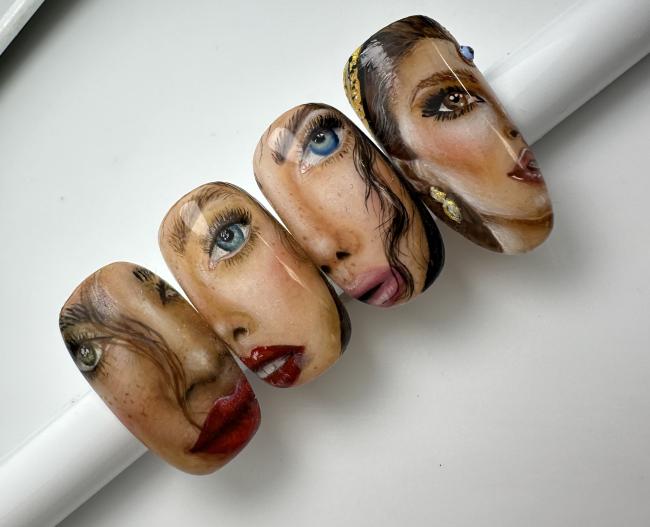
Nail extensions add length and shape to your natural nails using a hard-setting product built over a tip or a form. The main systems are acrylic (a liquid and powder that air-dries), hard gel and builder gel including "builder in a bottle" (BIAB) which are cured under a UV or LED lamp, and polygel which blends the two. Extensions give a stronger, longer nail that holds shape and colour well, and the look can be tailored to you, from a short, natural, everyday finish to longer, more dramatic shapes and nail art. They are a cosmetic, low-risk treatment for most people when carried out by a trained, insured technician using good hygiene. The main things to be aware of are keeping your natural nail healthy underneath, avoiding over-filing, and the growing issue of allergy to the acrylate chemicals in gel and acrylic products, which UK dermatologists have flagged as an increasing problem. With sensible aftercare and regular, gentle maintenance, extensions are a reliable way to enjoy longer, well-shaped nails.
Turn up with clean, product-free nails and let your technician know if you have had a reaction to nail products before, as any tingling, itching or lifting around previous sets is worth mentioning. Tell them about any skin conditions, nail infections, recent nail damage, or if you are pregnant, as this can affect what is suitable. If you take part in hands-on work or sport, or your nails split easily, share this so the length, shape and system can be tailored to your lifestyle. Avoid cutting or pushing back your cuticles hard in the days before, and skip heavy hand creams or oils on the day, as these can stop the product bonding. Bring inspiration photos if you have a particular shape or finish in mind. If you know or suspect you are allergic to gel or acrylic, do not book without discussing HEMA-free options first, and consider seeing a GP or dermatologist for advice.
Your technician will start by assessing your natural nails and tidying the cuticle area, then gently buffing the surface so the product can grip. A tip or a form is used to create the extension, and the chosen system is built over the top, either sculpted by hand with acrylic or applied in layers and cured under a UV or LED lamp for gel. The nails are then filed and shaped to your chosen length and style before colour, a top coat or nail art is added. A full new set typically takes one to two hours depending on the system and design. You should feel comfortable throughout. A trained technician keeps the wet product off your skin and cuticles, changes or avoids contaminated files, and uses the correct lamp for the gel being cured. Ask questions as they work, and speak up if anything stings, burns or feels sore, as this is not normal.
Apply cuticle oil daily, and more often if your hands are frequently in water, as this keeps the surrounding skin and the product flexible and less likely to lift. Wear gloves for washing up, cleaning and gardening, since harsh chemicals and prolonged soaking weaken the bond and can lift the extension. Treat your nails as jewels, not tools, so avoid using them to pick, scrape or open things, which is the most common cause of breakage and can tear the natural nail. If an extension lifts, cracks or catches, book in to have it repaired rather than pulling or peeling it off, as this removes layers of your natural nail. Keep to your infill appointments rather than letting the set grow out too far. If you notice redness, swelling, itching, warmth, pus or any tingling around the nails, stop and seek advice, as this can signal infection or an allergy that needs a GP or dermatologist.
The most important safety points are a trained, insured technician and good hygiene throughout. Tools that pierce or touch several clients, such as metal pushers and reusable files, should be properly cleaned and disinfected or single-use, and your technician should work without breaking the skin. Your natural nail should be buffed gently, not aggressively drilled or filed thin, as over-filing is a leading cause of weak, sore, damaged nails. The biggest current UK concern is allergy to the acrylate chemicals, particularly HEMA, in gel and acrylic products. UK dermatologists have warned of a rising number of people becoming sensitised, usually when uncured product touches the skin or gel is under-cured, which is more common with untrained application and cheap home kits. A good technician keeps product off your skin, cures gel fully with the correct lamp, and can offer lower-HEMA or HEMA-free options. Never file over or ignore signs of infection or reaction.
Nail extensions are cosmetic, but some medical situations need care. If you have diabetes, poor circulation, a compromised immune system or a tendency to skin infections, minor damage around the nail can be slower to heal and more prone to infection, so mention this and consider a chat with your GP first. Existing nail or skin conditions such as psoriasis, eczema, fungal infection or damaged, lifting nails may mean extensions are not suitable until things settle. Allergy is the key medical issue: once you are sensitised to acrylates you can react to gel and acrylic products, and because these chemicals are also used in some dental fillings, bone cement and diabetic sensors and pumps, an allergy can complicate future medical care. Symptoms include itching, redness, swelling, tingling or loosening nails, and can appear on the hands, face or eyelids. If you notice any of these, stop treatment and see a GP or dermatologist, who can arrange patch testing. Always tell your technician about relevant conditions and medicines.
A skin patch test is not routine for nail extensions, but a proper consultation and honest history are, and they matter more than many people realise. Your technician should ask about previous reactions to gel, acrylic or other nail products, any skin or nail conditions, and relevant health issues before starting, and record it. This protects you and, under UK liability and insurance rules, protects the technician, since skipping these checks can leave an insured professional found at fault if a client reacts. It is worth knowing that reactions to acrylates tend to build up over repeated exposure rather than appearing on the first set, so a one-off test would not be conclusive. The practical safeguard is a technician who keeps product off your skin, cures gel properly and can offer lower-HEMA or HEMA-free products, plus your own habit of reporting any tingling or itching early. If you have reacted before, get patch testing through a GP or dermatologist before booking.
Be cautious if the salon looks unclean, tools are reused without any disinfection, or the same file is used on client after client. Wet gel or acrylic being smeared onto your skin and cuticles, gel that is barely cured or cured under the wrong lamp, and heavy drilling that leaves your nails feeling hot, thin or sore all raise the risk of damage and allergy. A technician who cannot tell you what products they use, dismisses questions about HEMA or allergies, or has no insurance is a warning sign. During the appointment, burning, stinging or real pain is not normal and should stop the treatment. Afterwards, redness, swelling, warmth, pus, throbbing, spreading itching or any tingling around the nails, or nails that loosen and lift, need prompt attention from a GP or dermatologist.
Good practice starts with a clean, tidy workspace, a technician who washes their hands and uses clean or single-use tools, and files and buffers that are disinfected or fresh for you. A careful professional takes a short history, asks about past reactions and health, and buffs your natural nail gently rather than drilling it thin. They keep wet product off your skin, cure gel fully with the correct matched lamp, and can talk you through the systems they use, including lower-HEMA or HEMA-free options. They are qualified and insured, happy to answer questions, and honest about what suits your nails and lifestyle, tailoring length and shape accordingly. Clear aftercare advice, a sensible infill and removal plan, and a welcoming attitude to you raising any concerns are all signs you are in safe hands.
During your appointment nail extensions should feel comfortable. You will notice buffing and filing as a light vibration or pressure, and when acrylic sets or gel cures you may feel a brief warmth. Gel curing under the lamp can sometimes give a short, hot flash, especially with thicker layers, which settles in a few seconds if you take your hand out and go back in. Your nails may feel a little heavier or longer than you are used to for a day or two. What you should not feel is burning, stinging, sharp pain, or soreness around the skin and cuticles. Any of these, or itching and tingling during or after, is a signal to stop and mention it, as it can point to over-filing or an allergic reaction.
There is no downtime with nail extensions and you can use your hands straight away, although it is sensible to avoid knocks and long soaks for the first day while everything settles, especially with acrylic which continues to harden. Your nails may feel slightly different in weight or length at first, and this passes quickly. In most cases there is no soreness at all. If your nails feel tight, sore, throbbing or overly thin after your appointment, that suggests they were over-filed or the fit is too tight, and you should mention it to your technician. Any persistent pain, itching or skin reaction is not normal and should be checked.
A well-applied set of extensions typically lasts around two to four weeks before your natural nail growth shows at the base and an infill is needed. Most people book infills every two to three weeks, where the technician tidies the regrowth and rebalances the shape rather than starting again, which is gentler on your nails and better value. How long a set lasts depends on your nail growth, the system used and how you treat your hands, so daily cuticle oil, gloves for wet or harsh jobs, and not using your nails as tools all make a real difference. When you want them off, have them soaked or gently filed off professionally rather than picking or peeling, which strips the natural nail. It is fine to enjoy extensions long term, and giving your nails an occasional break with good conditioning can help keep them healthy.
Dip powder nails are a long-wear manicure system that sits somewhere between gel and acrylic. Rather than curing colour under a UV or LED lamp, the natural nail is coated with a bonding liquid, then dipped into (or sprinkled with) a finely milled coloured powder, with the process repeated to build strength and shade. An activator and a glossy sealer set everything firm. Because there is no lamp step, the finish dries quickly, and many people find it feels lighter and less rigid than acrylic while still lasting around three to four weeks. The powders are acrylic-based, so this is a durable, hard-wearing option rather than a gentle one. The look can be tailored to what you want, from natural, barely-there nudes to bold colour, French tips or a subtle strengthening overlay on your own nails. The main things worth understanding before you book are hygiene around shared powder pots, the potential for acrylate allergy, and the fact that removal relies on soaking in acetone. With a careful, well-trained technician and sensible upkeep, dip powder is generally a safe, low-fuss way to keep a polished manicure for weeks at a time.
You do not usually need to do much to prepare, but a few simple steps help the finish last and keep your nails healthy. Arrive with clean, product-free nails where possible, and avoid applying hand cream or cuticle oil on the day, as oils stop the bonding liquid gripping properly. If you have had a reaction to gel, acrylic or dip in the past, or you have noticed itching, lifting or soreness around previous manicures, mention it when you book so the technician can talk through options. Tell them about any skin conditions around the nail, recent nail damage, or medication such as anything that affects healing. It is worth asking in advance how they handle the powder, as reputable salons sprinkle or pour into a single-use pot rather than having everyone dip into one shared jar. If your natural nails are already thin or peeling, a short break or a strengthening overlay may suit you better than repeated full colour.
Your technician will start by gently shaping your nails and tidying the cuticle area, ideally pushing back rather than aggressively cutting. The nail surface is lightly buffed so the product can grip, then a bonding or base liquid is brushed on. Your nail is dipped into the coloured powder, or the powder is sprinkled over it, and the excess is brushed away. This base-and-powder step is usually repeated a couple of times to build colour and strength. An activator is applied to harden the layers, the nails are shaped and buffed smooth, and a glossy sealing topcoat finishes the look. The whole appointment typically takes around 45 minutes to an hour. It should be comfortable throughout; buffing may feel warm or slightly ticklish, but it should never be painful. A good technician keeps the buffing light to protect your natural nail and checks in on how the shape and shade are looking as they go, so you can adjust before it is sealed.
Dip powder is hard-wearing once sealed, but a little care keeps it looking good and protects the nail underneath. For the first hour or two, avoid knocks and prolonged hot water so everything fully hardens. After that, wear gloves for washing up, cleaning and gardening, as harsh chemicals and constant soaking loosen the edges and can encourage lifting. Massage cuticle oil in daily; it keeps the skin around the nail supple and helps prevent the product catching and peeling. Try not to use your nails as tools for scratching, prising or picking, which is the quickest way to snap a nail or pull off a layer. If a corner does lift, resist the urge to peel or pick it, as that tears away the top of your natural nail. Instead, book a repair or removal. Keep an eye out for any redness, itching, swelling or soreness around the nail, and if that appears, stop and seek advice rather than reapplying over it.
The two things that matter most with dip powder are hygiene and how the product is handled. The main risk comes from everyone dipping into one shared powder pot, because that can pass bacteria, fungi or viruses between clients. A responsible technician avoids this by sprinkling the powder onto your nail or pouring a portion into a single-use container, so nothing that has touched your finger goes back into the main jar. Tools should be sterilised or single-use, and the work area clean. Buffing and filing should be light and controlled, as over-thinning the natural nail is a common cause of long-term weakness. Removal should always be done by soaking in acetone, never by peeling, prising or forcing the product off, which strips layers from your own nail. If you have diabetes, poor circulation, a compromised immune system or any infection or broken skin around the nail, get advice first, as nail infections can be more serious in these situations.
Dip powder is a cosmetic treatment, not a medical one, but a few health factors are worth flagging. The powders and liquids are acrylate-based, and acrylate allergies are increasingly recognised, so if you have reacted to gel, acrylic, dip or even some adhesive plasters, be cautious and speak to your technician or GP first. Anyone with diabetes, poor circulation or a weakened immune system should take extra care, because a minor nick or an unnoticed infection around the nail can become more of a problem and heal more slowly. If you are pregnant, there is no strong evidence against a dip manicure, but a well-ventilated salon is sensible, as some products can give off fumes and fine dust. Ongoing nail changes such as persistent discolouration, thickening, separation from the nail bed, pain or swelling are not something a manicure should mask; see your GP or a dermatologist, as these can signal an infection or other condition that needs proper assessment rather than another coat of colour.
A formal patch test is not standard for dip powder in the way it is for hair or lash dye, but the risk of an acrylate allergy is real, so a sensible precaution is worth taking, especially if you have reacted to gel, acrylic or dip before. Some technicians will apply and seal a single test nail and ask you to wait several days to check for any itching, redness, swelling or lifting before committing to a full set. At the very least, a good salon will run through a consultation covering your history of nail-product reactions, skin conditions, and any infection or damage around the nail. This matters for your safety and for liability, because an allergic reaction that could have been anticipated is easier to defend against when the practitioner has recorded that they checked. Bear in mind that sensitivities can also build up gradually over repeated sets, so a clear history once does not guarantee you will never react.
Be wary if the technician has everyone dip their fingers straight into one shared powder pot, as this is the main hygiene concern and a well-run salon avoids it by sprinkling or decanting. Other warning signs include tools that are not visibly cleaned or sterilised between clients, a technician who files or buffs your natural nail hard enough to cause heat or soreness, or one who cuts cuticles aggressively and draws blood. Removing dip by peeling, prising or forcing it off rather than soaking in acetone is a clear red flag, as it strips your natural nail. Applying fresh product over an existing infection, lifting, or a nail that is red, swollen or sore is not acceptable. During the appointment, any real pain, burning or a strong reluctance to answer your questions about hygiene should make you pause.
Good practice is easy to spot once you know what to look for. A careful technician sprinkles the powder onto your nail or pours a portion into a single-use pot, so nothing goes back into the shared jar after touching your finger. Tools are sterilised or single-use, the work station is clean, and hands are washed before starting. They buff and file lightly to protect your natural nail rather than thinning it, and push cuticles back gently rather than cutting them hard. They ask about previous reactions to nail products and any health conditions before beginning, and they are happy to explain their hygiene routine. Removal is done by soaking in acetone, not peeling. A good salon also gives honest advice on upkeep, suggests occasional breaks for your nails, and tells you to come back for a repair rather than picking at any lifting yourself.
Dip powder should be a comfortable, relaxing treatment with no real discomfort. As your technician buffs the nail surface you may feel a light, ticklish vibration and a little warmth, but nothing sharp or painful. The bonding liquid and activator can feel cool and have a noticeable smell, and some people find the products and fine dust a little strong, so a well-ventilated space helps. The finished nails feel firm and solid rather than heavy, and many people say they feel lighter than acrylic. You should not experience burning, stinging, throbbing or soreness at any point; if you do, tell your technician straight away, as pain during buffing usually means the natural nail is being worked too hard.
There is no downtime with dip powder nails, and you can use your hands straight away, just gently for the first hour or so while the layers finish hardening. Most people go back to normal life immediately. Over the following weeks you may notice a small gap appearing at the base as your nails grow, which is normal and a cue to book a refill or removal rather than letting the edge lift. If your natural nails feel thin or a little tender after removal, that usually settles with cuticle oil and time. Giving your nails an occasional break between sets helps them recover.
Dip powder typically lasts around three to four weeks, which is one of its main attractions. As your nails grow you will see a small gap appear at the base, and that is the moment to book a refill or a full removal rather than letting the edge lift and catch. Daily cuticle oil and gloves for wet or messy jobs noticeably extend how long a set stays neat. When it is time to remove it, have it soaked off in acetone rather than peeling or picking, which pulls layers from your natural nail and leaves it thin and rough. Many technicians and dermatologists suggest giving your nails an occasional break between sets, and keeping them oiled and moisturised in between, so they stay strong over the long term. The look is easy to tailor each time, from natural nudes and French tips to bold colour, so you can change it up at every appointment while keeping upkeep straightforward.