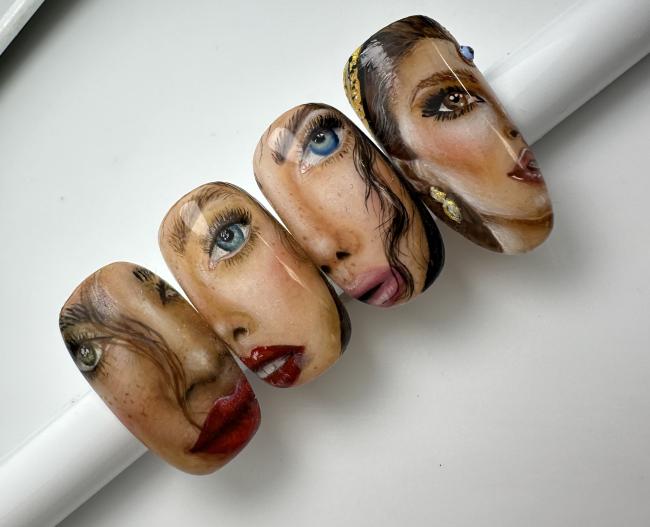
3D nail art is a decorative nail service where raised, sculpted details are built onto the nail to create texture and dimension rather than a flat painted design. A technician typically uses a gel, acrylic (a liquid-and-powder system) or a thicker sculpting gel to shape features such as flowers, bows, hearts, chrome accents, charms, gems or embossed patterns, then cures or sets them in place. The work usually sits on top of a gel polish, BIAB or acrylic base and can range from one subtle feature nail to a full set of intricate designs. It is an artistic, cosmetic treatment, so most of the care around it is about protecting your natural nail underneath and keeping the finish looking good. The main things that make a real difference are the skill of your technician, good hygiene, and the products they use. Because the base and adhesives are usually gel or acrylic chemistries, the most important health point is the small but real risk of developing an allergy to the ingredients over time, particularly if uncured product touches your skin. The look can be dialled up or down to suit you, from delicate and minimal to bold and eye-catching.
Come with clean, product-free nails if you are having a fresh set, or book a soak-off if you already have gel or acrylic on. Let your technician know if you have any allergies, especially to nail products, adhesives or previous reactions to gel or acrylic, and mention if you are pregnant or on any medication, as this can affect what is recommended. Avoid cutting or heavily pushing back your cuticles yourself beforehand, as broken skin around the nail raises the risk of irritation and infection. It helps to arrive with an idea of the design you want, including how bold or subtle you would like it, so your technician can advise on what suits your nail length, lifestyle and the occasion. Heavier 3D details need more careful handling, so factor that into your choice if you are very hands-on at work. Bring reference pictures if you have them, and set aside enough time, as detailed sculpted work cannot be rushed.
Your technician will start by prepping the natural nail, gently shaping it and lightly buffing the surface so the base product adheres well. They will apply a base of gel, BIAB or acrylic and, if using gel, cure it under a UV or LED lamp. The 3D elements are then built up by hand, sculpting acrylic or gel into raised shapes, or fixing charms, gems and foils in place, with each layer cured or set before the next. This stage is detailed and can take longer than a standard manicure, sometimes a couple of hours for a full intricate set. A careful technician keeps product off your skin and cuticles and cures each layer fully. You should feel comfortable throughout, aside from an occasional brief warm sensation from the lamp. The design can be tailored as you go, so speak up if you want a feature toned down, repositioned or made more dramatic before it is sealed with a top coat.
For the first day or two, be gentle while everything settles, avoiding knocking the raised details or picking at them. Apply cuticle oil daily, as it keeps the surrounding skin healthy and helps the finish last, and moisturise your hands regularly. Wear gloves for washing up, cleaning and gardening, since harsh chemicals, prolonged water and physical knocks are the main things that lift or snap 3D elements. Try not to use your nails as tools, and be mindful of catching embellishments on hair, clothing or fabric. If a gem or charm comes loose, do not glue it back yourself with household adhesive, as this can trap moisture and irritate the skin; instead go back to your technician. Importantly, if you notice itching, redness, swelling or the skin around the nail becoming sore in the days after, stop and seek advice, as this can be an early sign of an allergy that is worth taking seriously. Book a proper professional removal rather than peeling the set off.
The biggest safety point with any gel or acrylic-based service, including 3D art, is avoiding an allergic reaction to the ingredients. UK dermatologists have warned of a rise in allergies to (meth)acrylates such as HEMA, which typically develop when uncured product touches the skin, when curing is inadequate, or with untrained application, and once you are sensitised it can be lifelong and even affect future dental and medical work. A skilled technician keeps product off your skin, cures each layer fully with a suitable, well-maintained lamp, and uses proper removal rather than peeling or filing aggressively into the natural nail. Good hygiene matters too, so tools should be sterilised or single-use, and the work area clean. Your natural nail should be prepped gently, not over-filed, as thinning it repeatedly weakens it. If you ever feel burning, itching or soreness during or after, that is a warning sign, not something to push through.
3D nail art is a cosmetic treatment and is low risk for most healthy people, but a few situations warrant caution. If you have a known allergy to acrylates, gel, acrylic or nail adhesives, or you have reacted to these products before, tell your technician, as reactions tend to worsen with repeat exposure. Avoid treatment over broken, infected or inflamed skin, or if you have a nail infection such as a fungal problem, and seek advice from a GP or pharmacist first, since sealing over an infection can make it worse. People with conditions such as psoriasis affecting the nails, diabetes or poor circulation, or who are undergoing certain medical treatments, may be more prone to irritation or slow healing and should mention this. Pregnancy is not usually a barrier to nail art, but flag it so your technician can ensure good ventilation and comfort. If you develop persistent soreness, swelling, discharge or a spreading rash, stop and see a GP, as this points to infection or allergy rather than normal wear.
A formal skin patch test is not the routine standard for nail services in the way it is for hair colour, but a proper consultation and honest disclosure of any past reactions is your main protection and matters for UK liability. If you have reacted to gel, acrylic, adhesives or (meth)acrylates before, or you are prone to contact allergies, raise it, as a responsible technician may decline, suggest a lower-risk product, or recommend allergy testing through your GP or a dermatologist first. Because sensitivity can build up gradually over months or years of exposure, no single check is fully conclusive, so pay attention to how your nails and skin respond over time. Keeping uncured product off the skin and ensuring full curing is the practical way to reduce the risk of becoming sensitised in the first place.
Walk away, or speak up, if a technician lets uncured gel or acrylic sit on your skin, skips curing steps or uses a lamp that looks poorly maintained, as this drives the allergy risk. Be wary of dirty tools that are not sterilised or single-use, no questions asked about allergies or your history, or heavy, aggressive filing into your natural nail that leaves it thin and sore. Burning, itching, stinging or soreness during the appointment is not normal and should stop the treatment. Working over obviously infected, broken or inflamed skin, prices that seem too good to be true for intricate work, and reluctance to explain the products being used are all reasons for caution. Persistent redness or a rash afterwards needs checking.
A good technician asks about allergies, medication and past reactions before starting, and keeps product carefully off your skin and cuticles. They work in a clean, well-ventilated space with sterilised or single-use tools, cure each gel layer fully with a suitable lamp, and prep your natural nail gently rather than over-filing it. They are happy to explain the products they use, offer proper professional removal instead of peeling or picking, and give you clear aftercare advice. Look for someone insured and trained who tailors the design to your nails and lifestyle, sets honest expectations about wear and upkeep, and encourages you to come back if anything lifts or feels sore rather than fixing it yourself at home.
- What products and base system will you use, and do they contain HEMA or other (meth)acrylates I should know about?
- How do you keep uncured gel or acrylic off my skin, and how do you make sure each layer is fully cured?
- Are your tools sterilised or single-use, and how do you keep the work area hygienic?
- How will you remove this set safely later, and can I book a professional soak-off rather than peeling it?
- How should I care for the raised details day to day, and how long can I realistically expect them to last?
- Are you trained and insured for this kind of detailed nail work, and what should I do if my skin reacts afterwards?
During the appointment you should feel comfortable, with only the sensations of your nails being filed, buffed and shaped, plus a little gentle pressure as the 3D details are built and pressed into place. If gel is used, you may notice a brief warm or mildly hot feeling as it cures under the lamp, which usually settles in a few seconds and can be eased by taking your hand out briefly. Afterwards, thicker or raised designs can feel slightly bulky until you get used to them. What you should not feel is burning, stinging, itching or soreness of the skin, either during or in the days after, as these point to irritation or an allergy rather than normal treatment and are worth acting on.
There is no real downtime with 3D nail art and you can carry on with your day straight away. The main adjustment is getting used to the raised details, which can catch on things and make very fine tasks fiddly for the first day or so, so heavier or longer designs take a little care. There is no healing process involved as the treatment does not affect the skin when done well. If any redness, itching or soreness develops around the nails afterwards, that is not normal settling-in and should be checked rather than ignored.
With good application and care, 3D nail art typically lasts around two to three weeks, though very heavy or delicate embellishments may loosen sooner depending on how hands-on you are. Raised details take more knocks than flat polish, so gems and charms are the parts most likely to come away with everyday use. Daily cuticle oil, hand cream and wearing gloves for wet or rough work all help the finish last, as does avoiding using your nails as tools. As your natural nail grows, a gap appears at the base, so most people book infills or a fresh design every few weeks rather than leaving it to grow out. When you are ready to change it, have it professionally removed to protect the natural nail underneath, and consider a short break between sets if your nails feel weak, using this time to nourish and rehydrate them.