
Cosmoprof Asia
Cosmoprof Asia is Asia’s leading beauty trade show, held in Hong Kong, with brands, packaging, innovation and networking…
Read More >>
52 results for Lash extensions
Gel polish is a long-wearing nail coating that is painted on much like ordinary varnish, then set (cured) under a UV or LED lamp so it hardens on the nail. Because it stays glossy and chip-resistant for around two to three weeks, it is one of the most popular salon nail treatments in the UK. You will sometimes see it sold under brand names such as Shellac, or described as a builder-in-a-bottle (BIAB) overlay when a thicker, strengthening gel is used. A typical appointment involves lightly preparing the natural nail, applying a base coat, colour and top coat, curing each layer, then wiping off the tacky finish. Gel polish is generally low risk and comfortable, but it is not entirely without considerations: the main points are skin sensitisation to the gel ingredients, protecting the natural nail during removal, and a small amount of UV exposure to the hands. A good technician keeps the product off your skin, cures it correctly and removes it gently, all of which help keep your nails healthy while you enjoy the finish.
You do not usually need to do much beforehand, but a little planning helps the finish last and keeps your nails healthy. Arrive with clean, product-free nails where possible, and avoid heavy hand cream on the day, as oils can stop the gel adhering. If you have reacted to gel, acrylic or lash products before, or you notice itching, lifting or soreness around a previous set, tell your technician before they start, as this can signal an acrylate allergy that needs a rethink rather than a repeat. Mention any recent nail damage, skin conditions around the nail such as eczema or psoriasis, or medication that affects the skin. Let them know if you are pregnant, as many salons will still treat you but may improve ventilation. If you want a particular shape, length or colour, bring a photo. It is also worth asking in advance whether HEMA-free products are available if you are prone to sensitivities.
Your technician will start by tidying the cuticles and gently buffing the nail surface so the gel can grip. They should keep the product on the nail plate and away from the surrounding skin, as skin contact with uncured gel is the main cause of allergy over time. A thin base coat is applied and cured under the lamp, usually for a few seconds to a minute, followed by one or two colour layers and a top coat, each cured in turn. You place your hand under the lamp for each step, which feels warm and occasionally gives a brief heat spike, particularly with darker or thicker colours. If it feels hot, you can lift your hand out for a moment. The finished nails are wiped with a cleanser to remove the sticky layer, then shaped and oiled. A standard set of gel polish typically takes around forty five minutes to an hour. It should be a comfortable, relaxing appointment with no pain.
Gel polish needs very little aftercare, but a few habits protect both the finish and your natural nails. Apply cuticle oil daily, as this keeps the nail and surrounding skin flexible and helps prevent lifting and cracking. Wear gloves for washing up, cleaning and gardening, since prolonged water and harsh chemicals loosen the seal. Avoid using your nails as tools to pick, scrape or open things, as this is the quickest way to chip the gel or damage the layers underneath. If a nail chips or the edge lifts, resist the urge to peel or pick it off: peeling pulls away layers of the natural nail and can expose uncured product to your skin, raising the risk of sensitisation. Instead, book in to have it repaired or properly removed. Keep an eye out for any itching, redness or swelling around the nails or fingertips in the days afterwards, and mention it to your technician or GP if it appears.
The most important safety points with gel polish are keeping the product off your skin, curing correctly and removing gently. Uncured gel touching the skin, whether from flooding the cuticle, using the wrong lamp, under-curing or peeling the polish off, is the main way people become allergic to the acrylate ingredients over time, and once that allergy develops it is usually permanent. A competent technician works neatly, uses the lamp matched to their product and follows the correct cure times. Hygiene matters too: files, buffers and any tools that touch skin or nail should be single-use or properly sterilised between clients to reduce the risk of infection. The UV or LED lamp gives your hands a small dose of UVA, and while the evidence suggests the skin cancer risk is very low for typical use, applying sunscreen to the hands beforehand or wearing fingerless UV-protection gloves is a sensible, low-effort precaution. If your nails become painful, discoloured or lifting, stop and seek advice.
Gel polish is cosmetic rather than medical, but a few health matters are worth flagging to your technician. If you have diabetes, poor circulation or reduced sensation in your hands, take extra care, as minor cuts or infections around the nail can be slower to heal; a GP or podiatrist can advise if you are unsure. Persistent nail changes such as thickening, pitting, separation from the nail bed or discolouration can occasionally reflect a fungal infection or an underlying condition, and covering them with gel can mask the problem, so it is better to have them checked before booking. People with eczema, psoriasis or very sensitive skin around the nails may find gel more irritating. If you have previously reacted to gel, acrylic, dental resins or the adhesive in lash extensions, mention it, as these can share related acrylate chemistry. Gel polish is generally considered fine during pregnancy, though some prefer extra ventilation. This information is general and does not replace advice from your GP or a qualified practitioner.
A formal skin patch test is not the routine standard for gel polish in the way it is for hair or lash dye, but a proper consultation and honest history are important and serve a similar protective purpose. Your technician should ask whether you have ever reacted to gel, acrylic, dental work or lash glue, and check the skin around your nails is healthy before starting. This matters for your safety and for UK liability: if a client has flagged a previous reaction and is treated anyway, an insured technician can be found at fault in a claim. It is worth understanding the nuance too. Acrylate allergy usually builds up gradually through repeated skin contact, so someone can tolerate gel for years and then become sensitised, which means no single test fully rules out a future reaction. That is why keeping product off the skin, curing fully and never peeling gel off matter as much as any test.
Be cautious if a technician repeatedly floods your cuticles and skin with gel, does not clean or replace files and tools between clients, or cannot tell you which lamp matches their product or how long to cure it. A strong burning sensation under the lamp that they dismiss, rather than pausing, is not right. If they offer to peel or scrape old gel off quickly instead of soaking it off properly, that damages the nail and raises allergy risk. Persistent itching, redness, swelling, blistering or tiny splits in the skin around the nails, or lifting and soreness of the nail itself, can signal an acrylate allergy or infection and should be taken seriously. Nails that are left thin, sore and damaged after every visit suggest heavy-handed prep or removal. Any pus, spreading redness or throbbing pain needs prompt medical attention.
A good technician takes a brief history, checks your nails and skin are healthy, and asks about any past reactions before starting. They work neatly, keeping the gel on the nail and off the surrounding skin, apply thin even layers and use the correct lamp and cure time for their product. Tools that touch skin or nail are single-use or properly sterilised, the workspace is clean, and there is decent ventilation. They remove gel by soaking it off rather than picking or force-scraping, and they finish with cuticle oil and sensible advice. Good practitioners are happy to explain what they are using, offer HEMA-free options if you are sensitive, and never rush you under a lamp that feels too hot. Clear pricing, honest guidance on nail health and a willingness to say when a break or a GP visit is a better idea are all reassuring signs.
Gel polish should feel comfortable throughout. You will notice gentle buffing and filing as your nails are prepared, and a light pressure as each layer is brushed on. The main sensation is warmth when your hand is under the lamp during curing, which lasts only seconds at a time. Occasionally, especially with darker colours, thicker gel or after a fresh coat, you may feel a brief heat spike as the layer sets. This is normal, but it should never be genuinely painful; if it is, lift your hand out of the lamp for a moment and let it cool, then return it. There should be no stinging, burning of the skin or soreness. Afterwards your nails simply feel smooth, sealed and slightly firmer than usual, with no lingering discomfort.
There is no downtime with gel polish. Your nails are fully cured and touch-dry by the time you leave, so you can return to normal activities straight away, including washing your hands, without the smudging risk of ordinary varnish. Because everything is set under the lamp, there is no lengthy drying period to sit through. The only thing to be mindful of is that natural nails can feel a little thinner or more sensitive after repeated wear and removal, so occasional breaks between sets, along with daily oil, help them stay in good condition. If your fingertips feel sore, itchy or unusually sensitive after an appointment, that is not typical and is worth getting checked.
A well-applied set of gel polish typically stays glossy and chip-free for around two to three weeks, though this varies with your nail growth, lifestyle and how well the product is applied. As the nail grows, a gap appears at the base, and this is usually the point to rebook. You have two main options: full removal and a fresh set, or an infill with a builder-style gel where the grown-out area is filled in and reblended. Removal should always be done by soaking the gel off in acetone rather than peeling, which protects the natural nail underneath. The look can be tailored to you, from sheer and natural to bold colour, added length with tips or extensions, or a strengthening BIAB overlay if your nails are prone to splitting. Daily cuticle oil, gloves for wet or harsh work, and occasional breaks between sets all help keep your natural nails healthy over the long term.
An eyeliner tattoo, also called permanent or semi-permanent eyeliner, is a form of cosmetic tattooing where pigment is deposited into the skin along the lash line to create the look of definition or a soft liner that does not wash off. It is popular with people who want to save time on their morning routine, who struggle to apply liner because of shaky hands or poor eyesight, or who have sparse lashes and want a fuller lash line. Results range from a subtle 'lash enhancement' that simply darkens the roots of the lashes to a bolder, more defined line, so the look can be tailored closely to what you want. Because the eye area is delicate and the work sits close to the eye, this is a treatment to approach carefully and with a skilled, properly registered artist. In England and Wales, anyone offering tattooing or semi-permanent skin colouring must be registered with their local council, and in most of Greater London a special treatments licence is needed instead. The colour is not truly permanent: it typically softens and fades over one to three years and usually needs a top-up to stay looking fresh.
Book a consultation before your appointment so the artist can review your medical history, discuss the shape and depth of colour you would like, and check that the treatment is suitable for you. Avoid blood-thinning products in the days beforehand where it is safe to do so, including alcohol, and only stop prescribed medication such as anticoagulants on the advice of your GP. Steer clear of caffeine on the day, as it can make the eyes water. If you wear eyelash extensions, have them removed first, and stop using lash-growth serums a few weeks ahead, as these can affect healing and colour. Do not have your lashes tinted or lifted immediately before. Come with clean skin and no eye make-up, and bring your glasses, as you will not be able to wear contact lenses for a while. If you are prone to cold sores or have any eye condition, mention it in advance so it can be managed or the appointment rescheduled.
Your artist will start by cleaning the area and, with you, drawing on the proposed shape so you can approve it before any pigment goes in. A topical numbing gel is usually applied to reduce discomfort, and you will be asked to keep your eyes closed and relaxed throughout. Using a sterile, single-use needle or cartridge, the artist deposits pigment in fine passes along the lash line, gradually building the colour and definition. The appointment commonly takes one to two hours depending on the style, from a subtle lash-line enhancement to a fuller defined liner. It is normal for the eyes to water and for the area to look darker and slightly swollen straight after. Because the freshly applied colour oxidises and softens as it heals, the artist deliberately aims for a result that will settle lighter than it first appears. A follow-up or 'perfecting' session is usually planned for around four to eight weeks later to refine the shape and even out the colour.
Keep the area clean and dry and follow the specific aftercare your artist gives you, as advice varies between studios. Do not rub, pick or scratch the eyelids, even when they flake, as pulling off scabs can lift the pigment and cause patchy healing. Gently blot away any weeping with a clean tissue and apply only the ointment your artist recommends, using a clean cotton bud. Avoid eye make-up, especially mascara, for around ten days, and keep away from swimming pools, saunas, steam rooms and heavy sweating while the skin heals. Do not wear contact lenses until the area has settled, and wear sunglasses outdoors, as UV light fades the pigment. Sleep on your back if you can, on a fresh pillowcase, and avoid facials, chemical peels and other eye-area treatments during healing. If you notice increasing pain, spreading redness, heat or pus, contact your artist and seek medical advice promptly.
Because this is a tattoo placed very close to the eye, hygiene and skill matter enormously. Choose an artist who is registered with their local council for tattooing and semi-permanent make-up (or licensed by the council in most of London), works in clean, dedicated premises, and can show proof of training and insurance. Needles and cartridges must be sterile and single-use, opened in front of you, and pigments should be within their use-by date. A thorough consultation and medical history should happen before any pigment is applied, and you should be asked to give informed consent. The eye area carries particular risks, including infection, allergic reaction to pigment, and, rarely, injury to the eye itself, so competence is not optional. If anything about the cleanliness, the equipment or the artist's willingness to answer questions feels off, do not go ahead. When in doubt about your suitability, check with your GP first.
Several conditions and medications can make an eyeliner tattoo unsuitable or mean it should be delayed. Blood thinners and anticoagulants increase bleeding and bruising, and you should only ever stop prescribed medication on your GP's advice. Uncontrolled diabetes, autoimmune conditions such as lupus, and skin disorders like eczema or psoriasis around the eyes can affect healing. Pregnancy and breastfeeding are generally reasons to wait. If you are having chemotherapy or are otherwise immunosuppressed, this should wait until your health is stable and your medical team is happy. Eye conditions such as conjunctivitis, styes, glaucoma, dry eye or recent eye surgery, and a tendency to cold sores, all need to be discussed first. Recent laser eye surgery, peels or laser treatments near the eye also need time to settle. A reputable artist will take a full medical history and, where appropriate, ask you to check with your GP or ophthalmologist before going ahead. This treatment is a cosmetic procedure, not medical care.
A patch test is a sensible precaution for an eyeliner tattoo, as it checks for a reaction to the pigment and to any topical numbing product before they are used so close to your eye. It is worth remembering that a patch test is not fully conclusive, as sensitivities can develop over time, but skipping it makes a reaction harder to defend if a claim arises, and in the UK an insured artist can be found at fault for not offering one. Just as important is a proper consultation with a full medical history and a review of contraindications, plus agreeing and drawing the shape before any pigment goes in. Raise any allergies, past reactions to cosmetics or metals, and any eye conditions at this stage so the artist can decide whether to proceed, adapt or refer you on.
Be wary of anyone who cannot show they are registered with the local council for tattooing or semi-permanent make-up, or who works from unhygienic or makeshift premises. Reusing needles, not opening sterile equipment in front of you, or skipping gloves and clean surfaces are serious warning signs. So is refusing or dismissing a consultation, medical history, patch test or informed consent form, or pressuring you to go ahead quickly. Prices that seem far too good to be true, no aftercare guidance, no insurance, and unwillingness to answer questions about training or hygiene should all give you pause. During healing, spreading redness, worsening pain, heat, pus, or any change in your vision are reasons to seek medical help without delay rather than waiting.
A good artist is registered with their local council (or licensed in London), openly displays their certificate, and carries professional insurance. They offer a proper consultation, take a full medical history, discuss contraindications, and offer a patch test. Their studio is clean and well organised, needles and cartridges are sterile and single-use and opened in front of you, and they wear gloves and follow clear hygiene routines. They show you a portfolio of healed results, explain realistic outcomes rather than overpromising, and design the shape with you before starting. Clear written aftercare, a planned top-up appointment, and a willingness to answer every question calmly are all signs you are in careful, professional hands. Feeling unhurried and fully informed is exactly what you should expect.
With numbing gel applied, most people find an eyeliner tattoo more comfortable than they expect, often describing a light scratching, tingling or vibrating feeling along the lash line rather than sharp pain. The eyes commonly water throughout, which is completely normal, and the lids may feel a little tender, tight or swollen afterwards. Some areas, particularly the inner and outer corners, can feel more sensitive than others. As the numbing wears off you might notice a mild soreness, similar to tired or slightly irritated eyes, which usually eases within a day or so. Everyone's tolerance is different, so tell your artist if you need a pause.
Most people carry on with everyday life straight away, though the eyelids often look darker, tight and a little swollen for the first day or two, and some puffiness on waking is normal. Light scabbing and flaking usually appear around days three to five and should be left to shed on their own. The colour often looks strong at first, then fades and can seem patchy as it heals, before evening out. The surface typically heals within about a week to ten days, with the colour fully settling by around six weeks, which is why a top-up is planned after that point.
An eyeliner tattoo is best thought of as long-lasting rather than truly permanent. The colour typically stays looking its best for around one to three years before it softens and fades, though this varies with your skin, the depth of the pigment, sun exposure and your skincare routine. Oilier skin and regular use of exfoliating or anti-ageing products tend to fade pigment faster. A perfecting session about four to eight weeks after the first appointment helps even out the colour and refine the shape, and most people then choose a colour boost every year or two to keep it fresh. Protecting the area from the sun with sunglasses and, once healed, sunscreen nearby helps the colour last. Over time the shade can shift slightly, so an experienced artist will advise on when a top-up is due and how the look can be adjusted, whether you want to keep it subtle or build a little more definition.
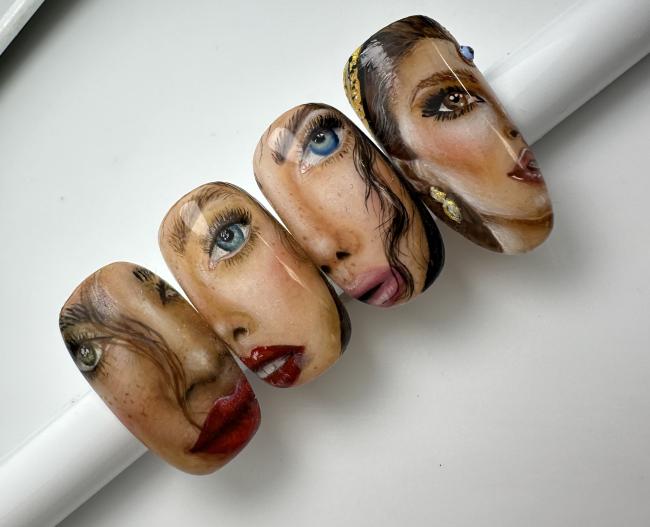
Nail art is the decorative finishing of the nails, ranging from simple hand-painted details and French tips to intricate designs, foils, chrome, gems, stamping and freehand work. It is applied over a base such as regular polish, gel polish, builder gel (BIAB), acrylic or a natural nail, and is one of the lower-risk treatments in a salon. Even so, the products involved are not risk-free: gel and acrylic systems contain reactive chemicals (notably methacrylates such as HEMA) that can cause a contact allergy if the uncured product touches skin, and UV or LED lamps are used to cure gel. A skilled nail technician keeps product off the skin, cures correctly and works hygienically, which is what keeps the treatment comfortable and the result long-lasting. Designs can be fully tailored to you, from subtle and workplace-friendly to bold and statement, and the effect can be as understated or as elaborate as you like. Because most people have nail art repeatedly over the years, looking after the health of the natural nail underneath matters just as much as the finished look.
Arrive with clean, product-free nails if you can, and avoid applying hand cream or cuticle oil on the day, as residue stops products adhering. Think about the length, shape and design you would like, and bring reference photos so the technician can advise on what suits your nail length and lifestyle. If you have any existing gel, acrylic or extensions, mention whether you want them infilled, rebalanced or fully removed. Tell your technician about any history of reactions to nail products, skin conditions around the nails, recent nail damage, or if you are pregnant, as this can guide product choice. In most cases nail art needs no special preparation, but allowing enough time is worth it, as detailed designs cannot be rushed. If you are prone to lifting or peeling, say so, as prep of the natural nail plate is often the reason products fail early.
Your technician will usually start by tidying the cuticles and gently preparing the nail surface so products bond well. If you are having a coloured base, this is applied and, for gel systems, cured under a UV or LED lamp between coats. The nail art itself is then built up by hand using fine brushes, dotting tools, stamps, foils, chrome powders or small embellishments, with each layer cured or dried as needed. Detailed or multi-nail designs take time and a steady hand, so the appointment can be longer than a plain manicure. A careful technician keeps gel and acrylic products off the surrounding skin, as skin contact with uncured product is the main cause of allergy. You should feel relaxed throughout; nail art is not painful. A top coat is applied at the end to seal and protect the design and give either a glossy or matte finish, depending on your preference.
Once finished, your nails are cured or fully dry, so you can use your hands straight away, though it is sensible to avoid knocks and heavy tasks for the first hour or two. Apply cuticle oil daily, as this keeps the nails and surrounding skin supple and helps prevent lifting and cracking. Wear gloves for washing up, cleaning and gardening, since prolonged water and harsh chemicals shorten the life of the design and can weaken adhesion. Avoid using your nails as tools to pick, scrape or open things, which is the quickest way to cause chips and breakages. If a small area lifts, resist peeling or biting it off, as this pulls away layers of the natural nail; book in for a repair instead. Keep an eye out for any redness, itching or soreness around the nails in the days afterwards, and stop wearing the product and seek advice if this develops.
Choose a technician who works cleanly, with tools that are either single-use or properly cleaned and sterilised between clients, as fungal and bacterial infections can spread through poorly maintained equipment. The single most important safety point with gel and acrylic art is that uncured product must be kept off your skin and cured for the correct time, because repeated skin contact with methacrylates such as HEMA is what drives the growing number of nail-product allergies reported by UK dermatologists. Gel must be cured under the correct lamp for that system; under-curing leaves reactive chemicals against the nail and skin. UV and LED curing lamps emit some UV, and while the exposure during a manicure is brief, applying sunscreen to the hands or wearing fingerless UV-protective gloves is a sensible precaution. A good technician also checks the health of your natural nail and will not work over an infection or significant damage.
Nail art is cosmetic and not a medical treatment, but a few health points are worth flagging to your technician. Tell them if you have diabetes, poor circulation, psoriasis, eczema or a compromised immune system, as these affect nail and skin healing and the risk of infection. If you have ever reacted to gel or acrylic nails, false lashes, dental resins or certain plasters, you may be sensitised to acrylates and should discuss HEMA-free or alternative products, or avoid gel and acrylic systems altogether. Persistent nail changes such as thickening, discolouration, separation from the nail bed or pitting can occasionally signal a fungal infection or an underlying condition, and are worth showing to a GP or pharmacist before covering them with product. If you are pregnant, nail art is generally considered fine, though you may prefer a well-ventilated space. Anyone with a known acrylate allergy should treat it seriously, as reactions can worsen with repeated exposure.
Unlike hair colour or lash tint, a formal skin patch test is not standard practice for nail art, and there is no universally reliable patch test for gel or acrylic allergy. The more useful safeguard is an honest consultation covering any past reactions to nail products, adhesives, false lashes or dental resins, plus your general nail and skin health. This matters for your safety and for the technician's liability: skipping a proper consultation and record can leave an insured practitioner exposed if a client later reacts. If you have reacted before or are concerned, ask about HEMA-free or lower-sensitivity systems and consider having a small area applied first. The most protective step of all is meticulous application that keeps uncured product off the skin, since sensitisation builds through repeated skin contact rather than through a single exposure.
Be cautious if tools are reused between clients without visible cleaning or sterilising, if the workspace looks dirty, or if files and buffers are shared. Heavy, aggressive filing or drilling into the natural nail plate, or a technician who lets wet gel or acrylic pool onto your skin, is poor practice and raises the risk of damage and allergy. Sharp pain, burning or a hot sensation under the lamp is not normal and should be mentioned at once. Persistent redness, itching, swelling, blistering or lifting nails after previous appointments can indicate an acrylate allergy and should not be ignored or worked over. A technician who dismisses your questions, cannot tell you what products they use, or pressures you into extra services is a warning sign.
Good practice looks like a clean, well-lit and well-ventilated workspace, single-use items where appropriate and visible sterilising of reusable tools between clients. A skilled technician takes a brief history, checks the condition of your natural nails, and keeps gel and acrylic products neatly off the surrounding skin. They cure gel under the correct lamp for the full time, explain what products they are using, and can discuss HEMA-free options if you ask. They are honest about what will suit your nails and lifestyle, offer sensible aftercare and cuticle care advice, and are happy for you to see fresh files or a sanitised set. Membership of a professional body, up-to-date training and appropriate insurance are reassuring signs, as is a technician who never rushes detailed work.
Nail art should be comfortable and relaxing from start to finish; it is not a painful treatment. You may feel gentle filing and buffing, the light pressure of brushes and tools, and the cool tack of products being applied. Under a UV or LED curing lamp, gel can briefly feel warm, and occasionally there is a short, sharp heat spike, particularly on thin nails or with thicker product; if this happens you can lift your hand out for a moment to let it settle. Any sharp pain, burning, stinging or lasting soreness is not normal and should be mentioned straight away. In the days afterwards your nails should feel comfortable, with no itching, throbbing or tenderness around the skin.
There is no downtime with nail art and no recovery period; you can return to normal activities immediately. The main practical point is that the finish, particularly regular polish or hand-painted detail, needs a little time to set fully, so plan around tasks that could smudge it. Gel-based art is touch-dry as soon as it is cured. If you notice any lasting redness, itching, swelling or soreness around the nails in the days that follow, this is not normal and may signal a contact allergy, so remove the product and seek advice rather than reapplying.
How long nail art lasts depends on the base used and your daily habits. Regular polish with hand-painted detail typically lasts a few days to a week, while gel-based art often lasts around two to three weeks, and designs over builder gel or acrylic can last longer with infills. Natural nail growth gradually shows a gap at the base, which is the usual prompt to book a refresh or infill. Daily cuticle oil, gloves for wet or dirty work, and avoiding using your nails as tools all noticeably extend the wear. Gel and acrylic should be soaked off or gently removed by a technician rather than picked or peeled, as peeling strips layers of the natural nail and leaves it thin and weak. Giving your nails an occasional break from enhancements, and keeping them oiled and trimmed, helps keep the natural nail healthy so future designs sit better and last longer.
Hard gel is a durable, UV or LED-cured gel system used to add strength, length or a protective overlay to the natural nail. Unlike builder in a bottle (BIAB) or many soak-off builder gels, cured hard gel forms a rigid, tightly cross-linked structure that acetone cannot dissolve, so it is removed by careful filing rather than soaking. This makes it a popular choice for longer extensions, sculpted shapes and clients who want hard-wearing enhancements that resist chipping and cracking. It is typically applied over the natural nail or a form, built up to create an apex for balance, then filed and shaped before colour or a top coat. A skilled technician can tailor the length, thickness, shape and finish to suit your nails and lifestyle, from a subtle natural overlay to bold sculpted tips. Hard gel is a cosmetic nail service rather than a medical treatment, and when applied well it can look and wear beautifully. The main considerations are protecting the health of your natural nail, avoiding skin contact with uncured product to reduce the risk of allergy, and having removal done properly, as heavy-handed filing is where most nail damage occurs.
Come with clean nails and, ideally, bare of old product unless you are booked for infills or a rebalance. Avoid cutting or pushing back your cuticles aggressively for a day or two beforehand, as broken skin around the nail makes contact with uncured gel more likely and can increase the chance of irritation or allergy. If you have had any reaction to gel, acrylic, or artificial nails before, or you notice itching, redness or lifting around previous sets, tell your technician before they start, as this can be an early sign of methacrylate (including HEMA) sensitivity. Let them know about any nail conditions, recent nail trauma, skin conditions such as eczema or psoriasis around the nails, or medications, and if you are pregnant or breastfeeding. Bring photos if you have a particular length or shape in mind. A brief consultation helps your technician assess whether your natural nails are healthy enough and choose the right system, structure and length for you.
Your technician will start by assessing your nails and discussing the length, shape and finish you want. The nail is gently prepped, cuticles tidied and the surface lightly buffed to help the gel adhere, avoiding over-filing of the natural nail. Hard gel is thicker than gel polish, so it is applied in controlled layers and, for extensions, built over a form or tip to create structure and an apex. Each layer is cured under a UV or LED lamp, usually for around 30 to 120 seconds depending on the product and lamp, and you may feel a brief warm or hot sensation as it cures. The nails are then filed and refined to shape before colour, an overlay or a top coat is added and cured. A careful technician keeps product off your skin and cuticles throughout. A full set of extensions can take a couple of hours, while an overlay or infill is quicker. The process should be comfortable, with no pain or bleeding.
Hard gel is fully cured before you leave, so your nails are ready to use, but treat them kindly for the first day. Apply cuticle oil daily, as this keeps the surrounding skin conditioned and the enhancement flexible, and moisturise your hands regularly. Wear gloves for washing up, cleaning and gardening, since chemicals and prolonged water exposure can weaken the seal and lift the product. Avoid using your nails as tools to pick, scrape or open things, as this is the main cause of cracks and lifting. Never pick, peel or bite at lifting gel, because pulling it off takes layers of your natural nail with it and can trigger or worsen an allergy through repeated skin contact with the product. Book infills roughly every two to three weeks to maintain structure and prevent lifting, and return for professional removal rather than doing it yourself. If you develop itching, redness, swelling, warmth or tenderness around the nails, or the nail starts to loosen, stop and seek advice from your technician and, if needed, a GP.
The most important safety points with hard gel are keeping uncured product off your skin, curing it fully with the correct lamp, and removing it properly. Repeated skin contact with uncured or under-cured gel is the main driver of the methacrylate allergies UK dermatologists have warned are rising, which is why a competent technician applies thin, controlled layers away from the cuticle and uses the lamp matched to their product system. Choose a trained, insured technician who works in a clean environment, uses sanitised tools and dust extraction, and follows manufacturer curing times, as under-curing leaves reactive product against the nail and skin. Because hard gel is filed off rather than soaked off, skilled removal matters just as much as application; heavy or careless filing thins and damages the natural nail. Good ventilation and dust protection during filing help both you and your technician. Once a methacrylate allergy develops it can be lifelong and may also affect dental and medical materials, so prevention is the priority. This is a cosmetic service, not a medical one, but reactions should be taken seriously.
Hard gel is a cosmetic treatment and is not suitable for everyone. It should only be applied to healthy, intact nails and skin, so if you have a nail infection such as a fungal infection, inflamed or broken skin, or a flare of eczema or psoriasis around the nails, wait until it has settled and seek advice first. Tell your technician if you have diabetes, poor circulation, a compromised immune system or any condition affecting healing, as these raise the risk if the skin is broken during prep or removal. If you have ever reacted to gel, acrylic, artificial nails, or dental resins, hard gel may not be appropriate, as these can share methacrylate ingredients. Repeated UV exposure to the hands during curing is generally low, but if you are on medication or have a condition that increases photosensitivity, mention it and consider fingerless UV-protective gloves. This treatment does not diagnose or treat any nail or skin condition; if you have a persistent nail problem, see a GP, pharmacist or a podiatrist or dermatologist for proper assessment.
A formal skin patch test is not the standard for gel services in the way it is for hair or lash dyes, and it is not fully reliable for methacrylate allergy, but a proper consultation and risk check is essential. Your technician should ask about any previous reactions to gel, acrylic, artificial nails or dental resins, check the health of your nails and surrounding skin, and confirm there are no contraindications before proceeding. The safest protection is not a single test but correct technique on the day: thin layers, no skin contact and full curing with the right lamp. From a UK liability point of view, a technician who records your history, keeps product off the skin and cures correctly is following best practice, whereas skipping these checks can leave an insured practitioner found at fault if a client reacts. If you are prone to allergies, ask about a HEMA-free system and a cautious trial on fewer nails first.
Be cautious if a technician cannot tell you their training or insurance, reuses files or tools without sanitising them, or works in a visibly unclean space. Product being flooded onto the skin or cuticles, gel that is not fully cured, or using a random lamp that does not match the gel brand all raise the risk of allergy and should concern you. Aggressive drilling or filing that leaves your natural nails thin, sore or bleeding is a serious warning sign, as is any pressure to have gel forcibly peeled or pried off. Dismissing a history of previous reactions, or brushing off itching, redness or lifting rather than pausing treatment, is not safe practice. Ongoing burning during curing beyond a brief warm flash, or being rushed through prep and removal, are also reasons to stop and reconsider.
A good technician holds recognised nail training and current insurance, and is happy to discuss both. They keep a clean, well-ventilated workspace, sanitise or use single-use tools, and use dust extraction when filing. They take a brief history, ask about previous reactions and check your nails and skin before starting. During the treatment they apply thin, controlled layers, keep product off your skin and cuticles, and cure with the correct lamp for their gel system for the full recommended time. They avoid over-filing your natural nail during prep and, importantly, during removal, filing hard gel off gently and patiently rather than forcing it. They explain aftercare, encourage cuticle oil and gloves, and advise you to return for professional infills and removal. Clear pricing, honest advice about what suits your nails, and willingness to use a HEMA-free option are all good signs.
Hard gel application should be comfortable and pain-free. The most noticeable sensation is a short burst of heat as each layer cures under the lamp, sometimes called a heat spike, which can feel warm to briefly hot on the nail. This is more likely with thicker layers or on thin or damaged nails, and lifting your hand out of the lamp for a second usually eases it. You may feel light buffing and filing vibrations during prep and shaping, and gentle pressure as the nail is worked, but you should never feel sharp pain, burning of the skin, or any bleeding. Your nails may feel a little thicker or heavier afterwards. Any ongoing throbbing, soreness or heat after your appointment is not typical and should be checked.
There is no downtime with hard gel nails, and you can return to your normal day straight away, as the product is cured and set before you leave. Your nails may feel slightly thicker or heavier than usual at first, which most people adjust to quickly. It is normal to be more aware of length or a new shape for a day or two. If you experience any lasting soreness, throbbing, heat or discomfort under or around a nail after your appointment, that is not typical and may point to a lifted product, an over-filed nail plate or an early reaction, so contact your technician. Persistent redness, itching or swelling should be checked, and you should see a GP if symptoms spread or do not settle.
With good application and care, hard gel is hard-wearing and can look fresh for several weeks, typically holding well for around two to four weeks before infills are needed as your natural nail grows out. Because it does not soak off, it is maintained through regular infills or rebalancing rather than full removal each time, and many people keep a set going for months with routine upkeep. To get the best wear, apply cuticle oil daily, moisturise, wear gloves for wet or rough work and avoid using your nails as tools. Lifting, cracks or a caught edge are your cue to book in rather than pick at it. When you want it off, or want to give your nails a break, have it filed off professionally, as this protects the natural nail. Results can be refreshed with new colour or shape at each infill, and a good technician will monitor your natural nail health over time and suggest a rest period if needed.