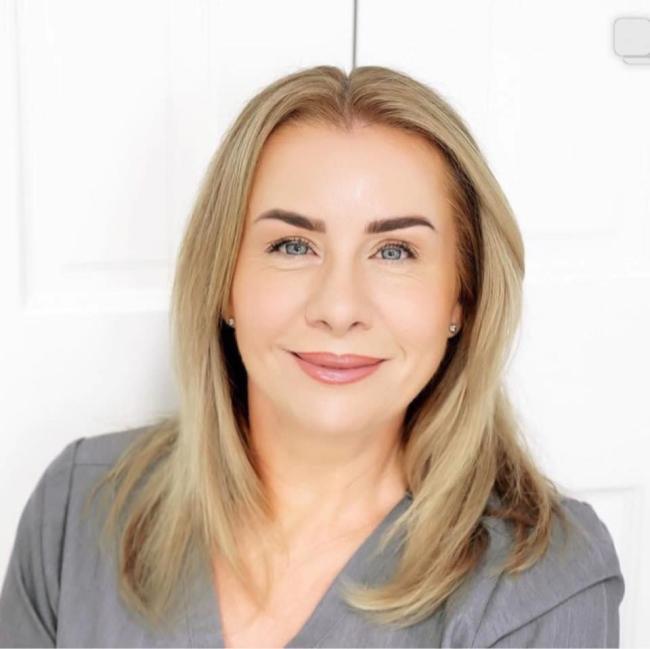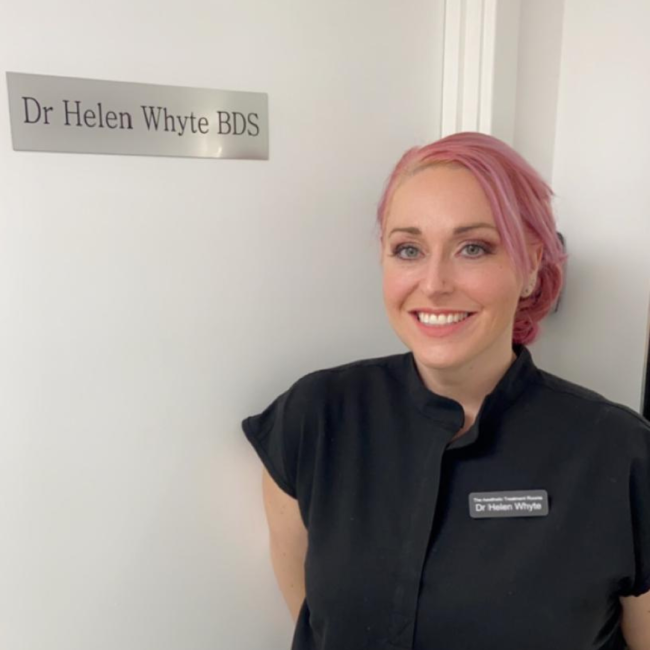

Treatment provider
Award-winning advanced skin and beauty clinic in Lowestoft, Suffolk. Specialists in RF microneedling, Geneo+ facials, electrolysis and advanced skincare, plus beauty,…
56 results for Hair Extensions
Curling iron and flat iron styling uses heated tools to reshape the hair, either smoothing it straight or forming waves and curls. A flat iron (straightener) presses hair between two heated plates, while a curling iron (or wand) wraps sections around a heated barrel to set a curl. Both work by temporarily changing the hydrogen bonds in the hair, which is why a style holds until the hair meets moisture or is washed. It is a very common, low-risk service offered in most salons and easily done at home, and the finish can be tailored to whatever you want, from a sleek blow-dry finish to soft beachy waves or tight, defined curls. Good results come down to the right temperature for your hair type, a heat protectant, and a stylist who works in neat sections rather than repeatedly passing over the same strands. The main thing to be mindful of is heat: hair is protein, and too much heat too often can leave it dry, dull or prone to breakage over time. Used sensibly, with protection and sensible frequency, heat styling gives a polished result without lasting harm. A professional will also read your hair's condition and adjust their approach accordingly.
Start with clean, fully dry hair, as ironing damp or wet hair can cause steam and lead to breakage. If you are booking a salon appointment, mention any recent colouring, bleaching, chemical straightening or a keratin treatment, because chemically treated hair is more fragile and usually needs a lower temperature. Apply a heat protectant spray or cream from mid-lengths to ends before any hot tool touches the hair; this creates a barrier that reduces moisture loss and heat damage. Avoid heavy oils or thick styling products directly before ironing, as some can scorch. Brush hair through so it is tangle-free, and have clips or sections ready if your hair is thick, since smaller sections give a better, faster result with fewer passes. If your hair already feels dry, brittle or is actively breaking, consider a conditioning treatment first and a gentler heat approach. Let a professional assess your hair's condition so they can pick the right tool and setting for you.
Your stylist will usually section the hair and work through it methodically. For a flat iron, they glide the plates smoothly from root area to tip in one steady pass per section; for a curling iron or wand, they wrap each section around the barrel, hold briefly, then release. You will feel warmth close to the scalp and hear a slight sizzle only if the hair is not fully dry, which should prompt them to pause. A good stylist chooses a temperature to suit your hair, typically lower for fine, coloured or fragile hair and higher for thick, coarse hair, rather than defaulting to maximum heat. They avoid repeatedly ironing the same strand, as this is where damage builds. The finish is shaped to your preference, whether pin-straight, soft bends, loose waves or firm curls, and they may set curls with clips to cool before brushing them out. The whole process is comfortable and pain-free; you should never feel the tool burn the scalp or skin.
Once styled, let curls cool fully before brushing or touching them too much, as they set as they cool and last longer that way. A light finishing product, such as a flexible hairspray or a small amount of serum on the ends, helps hold the shape and adds shine without weighing hair down. Try to avoid touching your hair repeatedly through the day, since natural oils from the hands can loosen the style. On humid or wet days, a smoothing product can help fend off frizz. Between heat sessions, support your hair's condition with regular conditioning or a weekly mask, and keep up with trims every six to eight weeks to keep ends healthy. To make a style last a second day and reduce how often you reach for hot tools, use a silk or satin pillowcase, loosely pin curls up overnight, or refresh with dry shampoo rather than re-ironing. Give your hair heat-free days where you can.
The two biggest safety points are protecting the hair and protecting the skin. Always use a heat protectant and match the temperature to your hair type rather than using the highest setting by default, since fine, coloured or bleached hair scorches at lower temperatures. Hot tools reach well over 100 degrees Celsius, so they must be kept away from the scalp, ears, neck and face to avoid burns, and never left switched on unattended or resting on surfaces that can scorch. Ensure hair is completely dry before using a flat iron, as trapped water turns to steam and damages the strand. At home, unplug tools after use, use a heat-resistant mat or pouch, and keep them out of reach of children. In a salon, a good stylist works in sections, limits repeated passes, and watches your hair's reaction throughout. If you have a scalp condition, sensitive skin, or very damaged hair, mention it first so the approach can be adjusted.
Heat styling is a cosmetic service and carries no medical risk for most people, but a few situations warrant care. If you have a scalp condition such as psoriasis, eczema, folliculitis or open or broken skin, heat and close contact with the scalp can aggravate it, so seek advice from your GP or a dermatologist first. Certain medications and health conditions, along with tight styling, can contribute to hair thinning or loss; if you are noticing unusual shedding, it is worth discussing with a healthcare professional rather than assuming styling is to blame. Chemically treated, over-processed or already fragile hair tolerates far less heat, and repeated high heat can worsen breakage. Pregnancy does not stop you having heat styling, though some people find their hair behaves differently at that time. If you wear a wig, hairpiece or extensions, check they are heat-safe, as many synthetic fibres melt. When in doubt about your hair or scalp health, a qualified trichologist or your GP can advise.
A skin patch test is not needed for heat styling, because no dyes, chemicals or allergens are applied; the risk is heat, not allergy. What matters instead is a short consultation and a heat-suitability check. A good stylist will look at your hair's condition and history, ask about recent colour, bleach, chemical straightening or keratin treatments, and choose a temperature accordingly, often testing on a small, discreet section first to see how the hair responds before working through the rest. This reduces the chance of scorching and helps a professional stand behind their work should any concern arise. If you are trying a new tool at home, start at a lower temperature and increase only if needed. Flag any scalp sensitivity, and stop if you feel discomfort or see the hair reacting badly.
Be wary if a stylist reaches straight for the maximum temperature without asking about your hair type or recent chemical treatments, or if they iron hair that is still damp. Repeatedly dragging the tool over the same section, a strong burning smell, visible smoke, or the hair feeling gummy, stretchy or snapping are all signs of heat damage in progress. You should never feel the tool touch or burn your scalp, ears or neck, and any actual pain means stop. At home, frayed cables, a tool that will not hold a steady temperature, or one left switched on unattended are hazards. If your hair looks noticeably rougher, duller or shorter in places after styling, or you see white, crispy or melted strands, the heat was too high for your hair.
Good practice looks like a stylist who asks about your hair type, condition and recent chemical treatments before choosing a setting, and who applies or checks for a heat protectant first. They work in neat sections, glide the tool smoothly in single passes rather than repeatedly, and adjust the temperature down for fine, coloured or fragile hair. Clean, well-maintained tools with ceramic, tourmaline or titanium plates distribute heat more evenly and are kinder to hair. A professional keeps the tool clear of your scalp and skin, checks in on comfort, and shapes the result to what you actually want. They will also be honest if your hair is too damaged for high heat, and suggest a conditioning plan or gentler styling rather than pushing on regardless.
Heat styling should feel comfortable throughout. You will notice gentle warmth near the roots and along the hair as the tool passes, and sometimes a faint warm sensation on the scalp when styling close to the root, but never sharp heat or pain on the skin. There may be a light sizzle if any product or moisture is present, though fully dry hair should be quiet. Curls will feel warm for a few seconds after they are set, then cool quickly. You should not feel the metal plates or barrel touch your scalp, ears or neck. Any burning sensation, stinging or genuine discomfort is not normal and means the stylist should stop and adjust.
There is no downtime with heat styling; you can carry on with your day straight away and the look is ready to wear immediately. The main consideration is cumulative rather than immediate: frequent high-heat styling can gradually leave hair drier and more prone to split ends or breakage. There is nothing to recover from after a single session, but if you style with heat often, building in heat-free days and regular conditioning helps keep your hair in good condition over time. If your hair starts to feel rough, looks dull or snaps easily, ease off the heat and consider a nourishing treatment or a trim.
The results are instant but temporary. A flat-iron finish or set of curls typically lasts until your hair is washed or meets moisture or humidity, so often a day or two, sometimes longer for coarser hair and shorter for fine or oily hair. You can extend a style by letting curls cool before brushing, using a light finishing product, sleeping on a silk or satin pillowcase, and loosely pinning curls overnight. Refreshing with dry shampoo or a quick touch-up beats re-ironing the whole head, which spares your hair extra heat. How often you restyle is up to you, but building in heat-free days, using protectant every time, conditioning regularly and trimming every six to eight weeks all help keep hair healthy enough to hold a style well. If your hair is starting to look dry or damaged, easing off the heat for a while and focusing on conditioning will pay off in the long run.
Hard gel is a durable, UV or LED-cured gel system used to add strength, length or a protective overlay to the natural nail. Unlike builder in a bottle (BIAB) or many soak-off builder gels, cured hard gel forms a rigid, tightly cross-linked structure that acetone cannot dissolve, so it is removed by careful filing rather than soaking. This makes it a popular choice for longer extensions, sculpted shapes and clients who want hard-wearing enhancements that resist chipping and cracking. It is typically applied over the natural nail or a form, built up to create an apex for balance, then filed and shaped before colour or a top coat. A skilled technician can tailor the length, thickness, shape and finish to suit your nails and lifestyle, from a subtle natural overlay to bold sculpted tips. Hard gel is a cosmetic nail service rather than a medical treatment, and when applied well it can look and wear beautifully. The main considerations are protecting the health of your natural nail, avoiding skin contact with uncured product to reduce the risk of allergy, and having removal done properly, as heavy-handed filing is where most nail damage occurs.
Come with clean nails and, ideally, bare of old product unless you are booked for infills or a rebalance. Avoid cutting or pushing back your cuticles aggressively for a day or two beforehand, as broken skin around the nail makes contact with uncured gel more likely and can increase the chance of irritation or allergy. If you have had any reaction to gel, acrylic, or artificial nails before, or you notice itching, redness or lifting around previous sets, tell your technician before they start, as this can be an early sign of methacrylate (including HEMA) sensitivity. Let them know about any nail conditions, recent nail trauma, skin conditions such as eczema or psoriasis around the nails, or medications, and if you are pregnant or breastfeeding. Bring photos if you have a particular length or shape in mind. A brief consultation helps your technician assess whether your natural nails are healthy enough and choose the right system, structure and length for you.
Your technician will start by assessing your nails and discussing the length, shape and finish you want. The nail is gently prepped, cuticles tidied and the surface lightly buffed to help the gel adhere, avoiding over-filing of the natural nail. Hard gel is thicker than gel polish, so it is applied in controlled layers and, for extensions, built over a form or tip to create structure and an apex. Each layer is cured under a UV or LED lamp, usually for around 30 to 120 seconds depending on the product and lamp, and you may feel a brief warm or hot sensation as it cures. The nails are then filed and refined to shape before colour, an overlay or a top coat is added and cured. A careful technician keeps product off your skin and cuticles throughout. A full set of extensions can take a couple of hours, while an overlay or infill is quicker. The process should be comfortable, with no pain or bleeding.
Hard gel is fully cured before you leave, so your nails are ready to use, but treat them kindly for the first day. Apply cuticle oil daily, as this keeps the surrounding skin conditioned and the enhancement flexible, and moisturise your hands regularly. Wear gloves for washing up, cleaning and gardening, since chemicals and prolonged water exposure can weaken the seal and lift the product. Avoid using your nails as tools to pick, scrape or open things, as this is the main cause of cracks and lifting. Never pick, peel or bite at lifting gel, because pulling it off takes layers of your natural nail with it and can trigger or worsen an allergy through repeated skin contact with the product. Book infills roughly every two to three weeks to maintain structure and prevent lifting, and return for professional removal rather than doing it yourself. If you develop itching, redness, swelling, warmth or tenderness around the nails, or the nail starts to loosen, stop and seek advice from your technician and, if needed, a GP.
The most important safety points with hard gel are keeping uncured product off your skin, curing it fully with the correct lamp, and removing it properly. Repeated skin contact with uncured or under-cured gel is the main driver of the methacrylate allergies UK dermatologists have warned are rising, which is why a competent technician applies thin, controlled layers away from the cuticle and uses the lamp matched to their product system. Choose a trained, insured technician who works in a clean environment, uses sanitised tools and dust extraction, and follows manufacturer curing times, as under-curing leaves reactive product against the nail and skin. Because hard gel is filed off rather than soaked off, skilled removal matters just as much as application; heavy or careless filing thins and damages the natural nail. Good ventilation and dust protection during filing help both you and your technician. Once a methacrylate allergy develops it can be lifelong and may also affect dental and medical materials, so prevention is the priority. This is a cosmetic service, not a medical one, but reactions should be taken seriously.
Hard gel is a cosmetic treatment and is not suitable for everyone. It should only be applied to healthy, intact nails and skin, so if you have a nail infection such as a fungal infection, inflamed or broken skin, or a flare of eczema or psoriasis around the nails, wait until it has settled and seek advice first. Tell your technician if you have diabetes, poor circulation, a compromised immune system or any condition affecting healing, as these raise the risk if the skin is broken during prep or removal. If you have ever reacted to gel, acrylic, artificial nails, or dental resins, hard gel may not be appropriate, as these can share methacrylate ingredients. Repeated UV exposure to the hands during curing is generally low, but if you are on medication or have a condition that increases photosensitivity, mention it and consider fingerless UV-protective gloves. This treatment does not diagnose or treat any nail or skin condition; if you have a persistent nail problem, see a GP, pharmacist or a podiatrist or dermatologist for proper assessment.
A formal skin patch test is not the standard for gel services in the way it is for hair or lash dyes, and it is not fully reliable for methacrylate allergy, but a proper consultation and risk check is essential. Your technician should ask about any previous reactions to gel, acrylic, artificial nails or dental resins, check the health of your nails and surrounding skin, and confirm there are no contraindications before proceeding. The safest protection is not a single test but correct technique on the day: thin layers, no skin contact and full curing with the right lamp. From a UK liability point of view, a technician who records your history, keeps product off the skin and cures correctly is following best practice, whereas skipping these checks can leave an insured practitioner found at fault if a client reacts. If you are prone to allergies, ask about a HEMA-free system and a cautious trial on fewer nails first.
Be cautious if a technician cannot tell you their training or insurance, reuses files or tools without sanitising them, or works in a visibly unclean space. Product being flooded onto the skin or cuticles, gel that is not fully cured, or using a random lamp that does not match the gel brand all raise the risk of allergy and should concern you. Aggressive drilling or filing that leaves your natural nails thin, sore or bleeding is a serious warning sign, as is any pressure to have gel forcibly peeled or pried off. Dismissing a history of previous reactions, or brushing off itching, redness or lifting rather than pausing treatment, is not safe practice. Ongoing burning during curing beyond a brief warm flash, or being rushed through prep and removal, are also reasons to stop and reconsider.
A good technician holds recognised nail training and current insurance, and is happy to discuss both. They keep a clean, well-ventilated workspace, sanitise or use single-use tools, and use dust extraction when filing. They take a brief history, ask about previous reactions and check your nails and skin before starting. During the treatment they apply thin, controlled layers, keep product off your skin and cuticles, and cure with the correct lamp for their gel system for the full recommended time. They avoid over-filing your natural nail during prep and, importantly, during removal, filing hard gel off gently and patiently rather than forcing it. They explain aftercare, encourage cuticle oil and gloves, and advise you to return for professional infills and removal. Clear pricing, honest advice about what suits your nails, and willingness to use a HEMA-free option are all good signs.
Hard gel application should be comfortable and pain-free. The most noticeable sensation is a short burst of heat as each layer cures under the lamp, sometimes called a heat spike, which can feel warm to briefly hot on the nail. This is more likely with thicker layers or on thin or damaged nails, and lifting your hand out of the lamp for a second usually eases it. You may feel light buffing and filing vibrations during prep and shaping, and gentle pressure as the nail is worked, but you should never feel sharp pain, burning of the skin, or any bleeding. Your nails may feel a little thicker or heavier afterwards. Any ongoing throbbing, soreness or heat after your appointment is not typical and should be checked.
There is no downtime with hard gel nails, and you can return to your normal day straight away, as the product is cured and set before you leave. Your nails may feel slightly thicker or heavier than usual at first, which most people adjust to quickly. It is normal to be more aware of length or a new shape for a day or two. If you experience any lasting soreness, throbbing, heat or discomfort under or around a nail after your appointment, that is not typical and may point to a lifted product, an over-filed nail plate or an early reaction, so contact your technician. Persistent redness, itching or swelling should be checked, and you should see a GP if symptoms spread or do not settle.
With good application and care, hard gel is hard-wearing and can look fresh for several weeks, typically holding well for around two to four weeks before infills are needed as your natural nail grows out. Because it does not soak off, it is maintained through regular infills or rebalancing rather than full removal each time, and many people keep a set going for months with routine upkeep. To get the best wear, apply cuticle oil daily, moisturise, wear gloves for wet or rough work and avoid using your nails as tools. Lifting, cracks or a caught edge are your cue to book in rather than pick at it. When you want it off, or want to give your nails a break, have it filed off professionally, as this protects the natural nail. Results can be refreshed with new colour or shape at each infill, and a good technician will monitor your natural nail health over time and suggest a rest period if needed.