The Hair and Beauty Directory
  • Home
  • How it works
  • Search
  • About
  • Blog
  • Join
  • Business Courses
  • Contact us
  • Events
  • Jobs
Log in
Sign up
  • All
  • Professionals
  • Training
  • Jobs
  • Rooms
  • Classifieds
  • Brands
  • Academies
  • Events ›

Filters

Clear all
Applied
  • "Consultation" (remove)×

Search for what actually matters to you

Accessibility and inclusivity
  • Oncology safe
  • Menopause informed
  • Neurodiverse friendly
  • Wheelchair accessible
  • Fragrance free
  • Quiet appointments
  • Low sensory
  • HIV inclusive
  • Trans-inclusive
  • Pregnancy safe

Search results

240 results for Consultation

Nipple Tattoo (Areola Micropigmentation)

Profile picture for user admin
Submitted by Reece on Wed, 09/30/2026 - 12:19

Nipple tattooing, also known as areola micropigmentation or 3D nipple tattooing, uses cosmetic tattoo pigment to recreate the look of a natural nipple and areola. It is most often chosen after breast reconstruction or mastectomy, but it can also improve symmetry, disguise scarring or refresh colour that has faded with age. A skilled practitioner blends several pigment shades and uses light and shadow to create a realistic three-dimensional effect on flat skin, so the finished result appears to have contour even when the surface is smooth. Because pigment is deposited into the skin with fine needles, this is a form of cosmetic tattooing and carries the same hygiene and allergy considerations as any tattoo. In the UK it is offered both within NHS breast reconstruction services, usually by specialist nurses, and privately by trained micropigmentation or paramedical tattoo artists. Results are semi-permanent and typically soften and fade over several years, so occasional colour refreshers are normal. A thorough consultation matters here, as colour, size and placement are tailored carefully to your natural skin tone and, where one breast remains, to match the other side.

Preparation usually starts with a consultation to discuss colour, size, placement and your medical history, including any breast surgery, radiotherapy or ongoing treatment. If you are having this on the NHS, your breast reconstruction team will usually confirm the timing; privately, a good practitioner will want to see that any reconstruction or scarring has fully healed and settled first, which typically means waiting several months after surgery and longer after radiotherapy. In the days before, it helps to avoid alcohol, and to check with your GP or surgeon before pausing any prescribed medicines such as blood thinners, rather than stopping them yourself. Avoid sunburn, fake tan and strong exfoliation on the area. Wear a comfortable, loose top and bring a soft, non-underwired bra for afterwards. If you tend to react to cosmetics, tattoo inks or plasters, mention this so a pigment patch test can be arranged. Tell your practitioner about any recent illness, as it is usually best to reschedule if you are unwell.

Your practitioner will first agree the colour, shape and position with you while you are sitting up, so any symmetry can be judged against your natural side or against markers you both like. The area is cleaned and an outline is drawn for you to approve before any pigment goes in. A small handheld device with fine, single-use needles then deposits pigment into the upper layers of the skin, building colour and the shaded 3D effect gradually. Each areola usually takes around twenty to thirty minutes, with the whole visit often lasting one to two hours including consultation and aftercare advice. Many people feel little on reconstructed or numb skin, so a topical numbing product may not be needed, though sensation varies and can be discussed. Where skin still has feeling, you may notice scratching, vibration or a warm buzzing. Some pinpoint bleeding or clear fluid is normal on tattooed skin. You can usually see the shape straight away, though colour looks darker at first and softens as it heals.

Good aftercare protects both the colour and your skin. Follow the written advice your practitioner gives you, as products and dressings vary. In general, keep the area clean and dry, wash gently with plain water or a mild antibacterial wash and pat dry rather than rubbing. Apply only the balm or ointment recommended to you, in a thin layer. A light dressing or non-stick pad under a soft bra can stop clothing catching the area. Over the first week or two the skin may feel tight, look darker, then flake or peel as it heals, so let any scabs or dry skin come away on their own and resist picking, which can pull out pigment and cause patchiness. For around two weeks avoid swimming pools, saunas, hot tubs, very hot baths, heavy sweating, perfumed products and direct sun on the area. Wear breathable clothing. If you notice spreading redness, heat, swelling, pus or a fever, contact your practitioner or GP, as these can signal infection.

Because pigment is placed into the skin with needles, hygiene is the most important safety point. Insist on single-use, sterile, individually packaged needles and pigment caps that are opened in front of you and disposed of afterwards, never reused between clients. The work area, couch and equipment should be clean, and your practitioner should wear fresh gloves and follow proper infection-control practice. In the UK, most premises offering cosmetic tattooing must be registered with their local authority for tattooing and skin piercing, and staff should hold appropriate training, qualifications and insurance for paramedical or areola work specifically, not just general beauty. A face-to-face consultation should cover your medical history, any breast surgery or radiotherapy, allergies and medicines. Reputable pigments should be used and, where offered, a patch test for pigment sensitivity. If anything about the cleanliness, paperwork or answers feels evasive, it is reasonable to pause and seek a practitioner who can show their credentials, registration and portfolio of healed results.

This treatment is frequently part of a medical journey, so it sits close to clinical care and is best coordinated with your breast team. Timing matters, as tattooing is usually delayed until reconstruction has healed and the skin has settled, and longer after radiotherapy because irradiated skin heals differently and can be more fragile. Certain conditions need extra care or medical sign-off first, including diabetes, a tendency to keloid or raised scarring, active skin infections or conditions over the area, bleeding disorders or use of blood-thinning medication, and a weakened immune system. It is generally not carried out during pregnancy or breastfeeding, or while you are having active chemotherapy, without specialist advice. If you have had lymph node surgery or lymphoedema on that side, mention it. Always tell your GP or breast care nurse that you are considering this, and never stop prescribed medicines to have a cosmetic procedure without medical advice. If you are unsure whether it is safe or well timed for you, ask your surgeon or breast care team before booking.

A patch test is not always routine for nipple tattooing, but it is sensible where there is any history of reactions to cosmetics, tattoo inks, adhesives or metals, and many practitioners offer one by placing a small amount of pigment in the skin a day or two beforehand. Just as important is a proper consultation that screens for contraindications, confirms healing after surgery or radiotherapy and records your medical history and medicines. This matters for your safety and for UK liability: skipping suitable checks can leave an insured practitioner found at fault if a reaction or complication arises. Be aware that a patch test reduces risk but is not fully conclusive, as sensitivities can develop over time, so tell your practitioner about any delayed skin changes even after a clear test.

Be cautious if needles or pigments are not single-use and opened in front of you, or if the room, couch or equipment look unclean. Reused or dirty equipment, no fresh gloves and poor hand hygiene are serious warning signs. Other red flags include no consultation or medical history taken, no written aftercare, no insurance or local authority registration for tattooing, and reluctance to show qualifications or photos of healed work. Pressure to book on the spot, vague answers about pigment safety, or a practitioner who dismisses your surgery, radiotherapy or medicines rather than asking about them should give you pause. Promises of permanent, never-fading results are unrealistic. After treatment, spreading redness, heat, pus, severe pain or fever needs prompt medical attention.

A trustworthy practitioner takes a full medical history, asks about your breast surgery, radiotherapy, allergies and medicines, and is happy to liaise with or defer to your breast care team on timing. Good signs include specific training and insurance for areola or paramedical tattooing, local authority registration of the premises, and a portfolio of healed results across a range of skin tones. You should see sterile, single-use needles and pigments opened in front of you, clean surroundings and fresh gloves. Expect an unhurried consultation, a colour and shape agreed and marked with you before starting, clear written aftercare, and honest talk about fading, sessions and realistic expectations. Being told to wait until you have fully healed, or referred back to your surgeon, is a sign of a careful, ethical practitioner.

  1. What training, qualifications and insurance do you hold specifically for nipple and areola tattooing, and is this a paramedical service?
  2. Is your premises registered with the local authority for tattooing, and can I see photos of healed results on skin like mine?
  3. How long after my reconstruction or radiotherapy should I wait, and would you liaise with my breast care team about timing?
  4. How do you keep everything sterile, and are the needles and pigments single-use and opened in front of me?
  5. Do you offer a pigment patch test, and how do you check for contraindications given my medical history and medicines?
  6. How many sessions will I likely need, what is included in the price, and how often will I need a colour refresher?

How this feels depends a lot on how much sensation remains in the skin. After reconstruction or mastectomy the area is often numb, so many people feel very little beyond light pressure or a faint vibration and buzzing from the device. Where skin still has feeling, you may notice a scratching or scraping sensation, warmth, and mild tenderness, which most describe as very manageable. A numbing product is sometimes used on sensitive or intact skin. Afterwards the area can feel tight, warm or slightly sore, a little like mild sunburn, easing over the first day or two. Some pinpoint bleeding, redness and light swelling during and just after treatment are normal.

Most people carry on with everyday life straight away, as downtime is minimal. The area may look darker, feel a little tender and show mild redness or swelling for the first day or two, then settle. Peeling and flaking are normal over roughly one to two weeks as the surface heals, and the true, softer colour usually appears once healing is complete at around four to six weeks. Avoid vigorous exercise, swimming and heat treatments for about two weeks. A review or second session is often booked around four to six weeks later, once the skin has fully recovered, to perfect the colour and shape.

Results are semi-permanent rather than permanent, so they are designed to soften and fade gradually over time rather than stay exactly as they look on day one. Colour is usually strongest at first, then settles to a more natural tone once healing is complete at around four to six weeks. Many people need two sessions to build depth and even out colour, especially over scar tissue, which can hold pigment differently. Longevity varies with your skin, the pigments used, sun exposure and skin care, but colour commonly lasts a few years before a top-up is helpful, and some find it fades sooner. To keep results looking their best, protect the area from sun once healed, moisturise the skin and avoid harsh exfoliation directly over the tattoo. A colour refresher every few years is normal and can also adjust the shade if your skin tone changes. Your practitioner can tailor size, shape and colour at each visit so the result continues to suit you.

Plasma Pen / Fibroblast Skin Tightening

Profile picture for user admin
Submitted by Reece on Wed, 09/30/2026 - 12:19

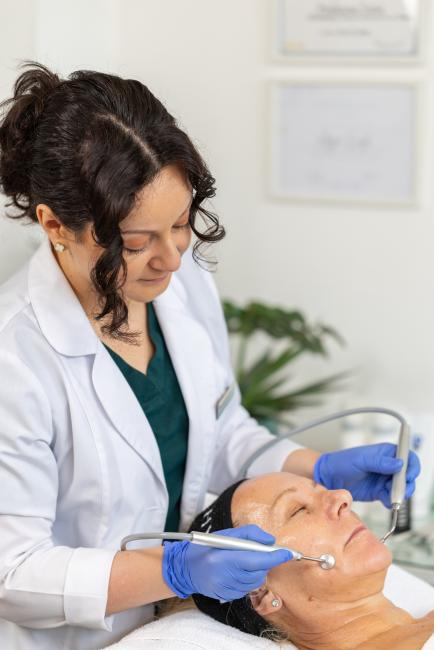
Plasma pen, often called fibroblast, is a non-surgical skin-tightening treatment. A hand-held device creates a tiny electrical arc (plasma) that jumps to the skin just above the surface, making a controlled micro-injury that looks like a small brown dot. This is a form of controlled thermal damage: the heat contracts the surrounding tissue and prompts the skin to produce new collagen as it heals, which can tighten and smooth over the following weeks. It is commonly used on hooded or crepey eyelids, fine lines, and areas of loose skin, and is marketed as an alternative to minor surgery. Because it works by deliberately injuring the skin, it sits at the higher-risk end of energy-based treatments, and results and safety depend heavily on the practitioner choosing the right settings, spacing and depth for your skin. It is not suitable for everyone, and it carries a real risk of burns, scarring and long-lasting pigment change, particularly on medium-to-deep skin tones. A thorough consultation and a genuinely experienced, insured practitioner matter far more here than with gentler facials. In most cases a course, or occasional top-ups, is needed to maintain the effect.

Preparation begins with a proper consultation and, ideally, a small test spot so the practitioner can judge how your skin reacts before treating a larger or more visible area. Be honest about your medical history, medications, skin tone and any tendency to scar or pigment, as these strongly affect suitability. In the two weeks before, avoid sun exposure, sunbeds and fake tan, and stop retinoids, strong acids (AHAs, glycolic) and other exfoliants unless told otherwise, as they thin the skin. Keep skin well moisturised and use a daily SPF 30 to 50. If you are prone to cold sores and are having work near the mouth or eyes, your practitioner may advise starting antiviral medication beforehand to reduce a flare. Remove eyelash extensions before eye-area work, and arrive with clean, product-free skin and no make-up. Plan the timing around your life: expect visible dots, crusting and swelling, so avoid booking close to a holiday, wedding or big event.

Your practitioner will cleanse the skin and usually apply a topical numbing cream, then leave it to take effect, as the treatment can sting. Working methodically, they hold the plasma pen just above the skin so the arc creates a grid of small dots across the area. You will typically notice a warm, pricking or scratching sensation and may smell a faint singed odour, which is normal. Sensitive spots such as the eyelids tend to feel sharper. Sessions commonly last from around twenty minutes to an hour depending on the area, and the practitioner should be checking the density and spacing of the dots and adjusting their technique as they go. Good practice is a careful, conservative approach rather than rushing or going too deep, since over-treating raises the risk of burns and scarring. Immediately afterwards the skin looks red and dotted, often with some swelling, especially around the eyes, which can worsen overnight. The practitioner should explain your aftercare clearly and give you a point of contact in case you have concerns as it heals.

Careful aftercare protects the result and reduces the risk of scarring and infection. The small crusts that form are part of healing, so leave them completely alone: do not pick, scratch or peel them, and let them flake off on their own, usually over about five to eight days. Keep the area clean and dry and follow any products your practitioner provides rather than layering on your usual skincare. For the first few days avoid hot showers directly on the face, saunas, steam, swimming, heavy sweating and exercise, as heat and moisture disturb the crusts. Do not apply make-up until the crusts have fully gone. Once healed, the new skin is pink and delicate, so daily SPF 30 to 50 is essential and should continue for several months to help prevent pigmentation. Avoid direct sun and sunbeds during this period. If you notice spreading redness, increasing pain, pus, heat or any sign of infection, contact your practitioner or GP promptly rather than waiting.

Because plasma treatment deliberately burns tiny areas of skin, practitioner skill is the single biggest safety factor. Choose someone experienced and insured specifically for plasma or fibroblast work, who assesses your skin type honestly and uses correct settings, spacing and depth. Too deep, too dense or too aggressive a treatment can cause burns, blistering, prolonged pigment change and permanent scarring. Skin tone matters: this treatment carries a notably higher risk of hyperpigmentation or hypopigmentation on medium-to-deep (higher Fitzpatrick) skin, and many reputable practitioners will decline to treat darker tones for this reason. A patch or test spot beforehand helps show how your skin responds. Insist on a proper consultation, single-use tips and a clean, professional setting. Be wary of very cheap deals, one-day training certificates, or anyone who dismisses the risks or your skin tone. The result should tighten and refresh, not dramatically transform, so treat before-and-after promises that look too good with healthy caution and ask to see the practitioner's own genuine case photos and reviews.

Plasma or fibroblast treatment is not suitable for everyone, so share your full medical history at consultation. It is generally avoided in pregnancy and while breastfeeding, and for people with diabetes, poorly controlled health conditions, healing or clotting disorders, active infections, or a weakened immune system, as these affect how the skin heals. A history of keloid or raised scarring, or of hyperpigmentation, is an important warning sign, as is an active cold sore or herpes flare in the area to be treated. People with pacemakers or other implanted electrical devices should not have this treatment. Recent sun exposure, sunburn or a fresh tan, recent isotretinoin (Roaccutane) use, and certain photosensitising medications also make it unsuitable or mean waiting. Metal implants or fillers in the immediate area should be disclosed. If you have any skin condition, take regular medication, or are unsure whether it is safe for you, speak to your GP or a suitably qualified medical practitioner before booking. This treatment is not a substitute for medical advice about your skin.

A small test spot in a discreet area is strongly advised before a full treatment, and it serves a different purpose from an allergy patch test. Rather than checking for a reaction to a product, it lets the practitioner see how your particular skin heals, crusts and pigments after a controlled plasma injury, which is the best guide to whether the treatment is safe for your skin tone and type. This is especially important on medium-to-deep skin, where the pigmentation risk is higher. A thorough pre-treatment consultation and medical history check should always take place too, screening for the contraindications that make plasma work unsafe. Framed around reducing risk and UK liability, these checks protect you and mean an insured, responsible practitioner has properly assessed suitability; skipping them, or a practitioner who offers to treat you the same day with no assessment, is a genuine warning sign.

Be cautious if a practitioner cannot show relevant training, experience and insurance specifically for plasma or fibroblast work, or trained only on a single short course. Skipping the consultation, medical history or a test spot, and offering to treat you on the spot, is a warning sign. So is any willingness to treat medium-to-deep skin tones without acknowledging the real risk of pigment change, or dismissing your questions about burns and scarring. Unusually cheap prices, pressure to book a course immediately, reused or non-sterile tips, and a setting that does not look clean and professional are all concerning. Promises of dramatic, surgical-level results or before-and-after photos that look too perfect should prompt caution. Anyone who tells you there is no downtime, or who cannot explain aftercare and how to reach them if something goes wrong, is not treating this higher-risk procedure with the seriousness it deserves.

Good practice starts with a thorough, unhurried consultation that covers your medical history, skin tone, expectations and the real risks, followed by a test spot before committing to a full treatment. A responsible practitioner is transparent about their training, experience and insurance for plasma work, and is honest if your skin tone or history makes the treatment unsuitable, even if it means turning business away. They work in a clean, professional environment, use single-use sterile tips, and take a careful, conservative approach to settings and depth rather than rushing. You should receive clear written aftercare, realistic expectations about downtime and results, and a way to contact them if you have concerns while healing. Genuine reviews, their own case photos and a willingness to answer questions patiently are all reassuring signs. Being encouraged to protect the skin with SPF and to avoid picking crusts also shows they prioritise your safe healing.

  1. What specific training, experience and insurance do you hold for plasma pen or fibroblast treatment?
  2. Is this treatment suitable for my skin tone and history, and will you carry out a test spot first?
  3. How many sessions am I likely to need, and what realistic result can I expect?
  4. What are the risks of burns, scarring and pigment change for someone with my skin, and how do you reduce them?
  5. What downtime should I plan for, and what does the healing and aftercare involve?
  6. What happens if something goes wrong, and how do I contact you during recovery?

With numbing cream applied, most people find the treatment tolerable, describing a warm, prickling or light scratching feeling as the plasma arc touches the skin, sometimes with a faint singed smell. Sensitive areas such as the eyelids and upper lip tend to feel sharper. Afterwards the skin usually feels tight, hot and a little sore, much like mild sunburn, for the first day or two. As it heals, the small crusts can feel dry and itchy, which is normal, though you must resist scratching them. Swelling, particularly around the eyes, may feel tender and puffy for a few days. Any severe or increasing pain is not expected and should be checked with your practitioner.

Expect visible downtime. Redness and swelling are common in the first two to four days, and swelling around the eyes can look dramatic before it settles. Small dark crusts sit on the skin for roughly five to eight days and should be allowed to fall away naturally. Once they have gone, the fresh skin underneath is typically pink and can stay slightly flushed for several weeks. Most people take time before big social events; some prefer a few quieter days at the start. New collagen builds gradually, so the tightening effect continues to develop over several weeks to a few months. Full recovery and final results usually take around eight to twelve weeks.

Results build gradually rather than appearing straight away. Once the crusts have healed and the initial pinkness fades, you should see firmer, smoother skin as new collagen forms over the following weeks, with the effect typically settling by around eight to twelve weeks. How noticeable it is depends on your skin, your age and the area treated, and the outcome can be tailored by adjusting how many areas are covered and whether you have a single session or a short course. Many people need more than one session spaced several weeks apart to reach their goal. The tightening is not permanent because skin continues to age naturally, so results commonly last from around one to three years, and occasional maintenance sessions can help preserve them. Protecting your skin with daily SPF, not smoking, and a sensible skincare routine all help the result last. If loose skin is significant, a practitioner should be honest that plasma may only soften the appearance rather than replace what surgery would achieve.

Course

VTCT Level 2 Award in Facial Massage & Skincare

Offered by Signature Academy · Stopsley, United Kingdom
The VTCT Level 2 Award in Facial Massage and Skincare at Signature Academy in Stopsley, Luton is a nationally recognised, Ofqual-regulated qualification designed for…
View course: VTCT Level 2 Award in Facial Massage & Skincare
Course

VTCT Level 4 Micropigmentation – All Round Permanent Makeup (Brows, Eyeliner & Lips)

Offered by Signature Academy · Stopsley, United Kingdom
The All Round Permanent Makeup course leading to the VTCT Level 4 Micropigmentation qualification is Signature Academy's most popular course and is delivered one-to-one…
View course: VTCT Level 4 Micropigmentation – All Round Permanent Makeup (Brows, Eyeliner & Lips)
Treatment provider

Fabulously Beautiful

✓ Verified
Home based · Sutton Valence, United Kingdom
Multi award winning home beauty salon & private educator
  • Card payments accepted
  • Cash payments accepted
  • No double-dipping wax policy
5.0 30 reviews
View profile: Fabulously Beautiful
Treatment provider

Dr Helen Whyte Aesthetics

✓ Verified ★ Expert
Clinic based · Ashington, United Kingdom
I welcome patients of all backgrounds and gender for treatment with no judgement. I'm here to help you decide whether these treatments will suit you and which ones would…
  • Card payments accepted
  • Cash payments accepted
  • Gender neutral salons
5.0 5 reviews
View profile: Dr Helen Whyte Aesthetics

HIFU

Profile picture for user admin
Submitted by Reece on Wed, 09/30/2026 - 12:19

HIFU stands for High-Intensity Focused Ultrasound. It is a non-surgical treatment that uses focused ultrasound energy to deliver controlled heat to specific depths beneath the skin, typically the upper and mid-dermis and the deeper SMAS layer that a surgeon would tighten during a facelift. The heat is intended to stimulate the body's natural repair response, encouraging fresh collagen to form over the following weeks so the skin gradually looks firmer and a little lifted. HIFU is often chosen for mild to moderate laxity around the jawline, cheeks, brow and neck by people who are not ready for surgery. Because it works at precise depths using different cartridges, HIFU is a higher-risk, energy-based device treatment rather than a gentle facial, and outcomes depend heavily on the practitioner's skill, the device used and the settings selected. Results are typically subtle and build gradually rather than being dramatic or immediate, and they can be tailored to your goals and facial anatomy during consultation. It is not a substitute for a surgical facelift. A thorough assessment with a qualified, experienced practitioner is the single most important step in deciding whether HIFU is suitable and safe for you.

Service
HIFU

Good preparation starts with a proper consultation, not the treatment itself. A responsible practitioner will review your medical history, medications, skin condition and goals, and check for anything that makes HIFU unsuitable before agreeing to proceed. In the days beforehand, it usually helps to keep your skin calm and well hydrated and to avoid anything that leaves it irritated or inflamed, such as strong acids, retinoids, aggressive exfoliation or sunburn. Tell your practitioner about recent aesthetic treatments in the area, including dermal fillers, threads or other energy devices, as timing may need adjusting. Arrive with clean skin, free of make-up, and mention any medication that affects bruising or bleeding. Avoid alcohol immediately beforehand. If you are unsure whether HIFU is right for you, or you have an underlying health condition, speak to your GP or a suitably qualified practitioner first. Preparing well is partly about comfort and results, but it also reduces the chance of complications and helps everyone involved show that reasonable care was taken.

Your practitioner will usually cleanse the skin, mark the treatment areas and apply ultrasound gel, and many clinics apply a numbing cream first for comfort. Some devices also show real-time imaging so the practitioner can see the layers being targeted. A handheld applicator is then moved across the skin, delivering focused ultrasound in lines or dots to set depths, commonly around 1.5mm, 3.0mm and 4.5mm, using cartridges matched to each area and to your anatomy. Choosing the correct cartridge and settings is central to safety, as energy delivered too deeply, in the wrong place or too aggressively is where problems such as burns, nerve effects or unwanted loss of facial fat can arise. This is one reason a proper consultation and honest suitability check should always come first, as HIFU is not right for every face and over-treating an unsuitable candidate can do harm rather than good. You may feel warmth, tingling or brief prickling as the energy is delivered, sometimes more noticeable over bony areas. A full-face and neck session typically takes around 30 to 90 minutes depending on the areas covered. A skilled practitioner will check in with you throughout and adjust as needed. Do not feel pressured to endure severe pain; tell your practitioner if a setting feels too intense.

HIFU aftercare is usually straightforward, but following it carefully supports your results and lowers the chance of irritation. Your skin may feel warm, slightly tender or a little swollen at first, so treat it gently for the first day or two. It typically helps to keep the skin clean and well moisturised and to apply a broad-spectrum SPF daily, as the skin can be more sensitive to sun after treatment. In the first 24 to 48 hours it is usually sensible to avoid very hot showers, saunas, steam rooms, strenuous exercise and anything else that heats or flushes the face, along with direct sun and sunbeds. Be gentle with active skincare such as strong acids and retinoids until any tenderness settles. Your practitioner should give you personalised written aftercare and a way to contact them if you have concerns. If you notice anything unexpected, such as increasing pain, blistering, marked swelling or numbness that does not settle, contact your practitioner promptly, and seek medical advice or see your GP if you are worried.

HIFU is a higher-risk, energy-based treatment, so who performs it matters as much as the device. In the UK, the practitioner's training, experience and understanding of facial anatomy are central to keeping you safe, because most serious problems trace back to incorrect depth, cartridge or settings rather than the technology itself. Choose someone who is properly trained and insured specifically for HIFU, works from a clean, professional setting and uses a CE or UKCA marked device that is maintained and used within its intended settings. A responsible clinic carries out a full consultation, checks contraindications, keeps records and consent, and explains the risks honestly, including burns, temporary or rarely longer-lasting numbness, nerve effects, uneven results and loss of facial fat. That last point is important: because the energy delivers heat beneath the skin, it can reduce the facial fat pads, and in some people, particularly those with leaner or more mature faces that already have less volume, this can leave a hollow, gaunt or older-looking result rather than a lift. A skilful practitioner assesses whether you have enough facial fat to treat, selects appropriate depths and settings, and avoids over-treating, which is exactly why suitability should be judged case by case rather than assumed. This careful approach is not box-ticking; it reflects a duty to do everything reasonably possible to reduce risk, which matters both for your wellbeing and under UK liability. Regulation of aesthetic procedures in England is expected to tighten, so check current requirements and credentials. If anything feels rushed or unclear, it is reasonable to pause and seek a second opinion.

HIFU is not suitable for everyone, which is why a medical history check is essential before treatment. Practitioners commonly avoid or take particular care with pregnancy and breastfeeding, active infection, open wounds or broken skin in the area, significant inflammatory skin conditions or flare-ups, a tendency to keloid or poor scar healing, and certain implants or electrical devices such as pacemakers or metal plates near the treatment site. Medicines that affect bleeding or bruising, and recent fillers, threads or other treatments in the same area, may also change whether or when HIFU is appropriate. How much natural volume your face has is part of this judgement too, because HIFU can reduce the facial fat pads; if you have a naturally lean face, or a more mature face that has already lost volume, a careful practitioner may advise against treatment or adjust it, since the risk of a hollowed or gaunt result is higher. This is general information rather than a complete list, and only a qualified practitioner can assess your individual situation. If you have any ongoing health condition, take regular medication, or are unsure whether HIFU is safe for you, speak to your GP or a suitably qualified medical practitioner before booking. Being open about your full history helps your practitioner tailor the treatment safely and, in most cases, avoid problems that could otherwise be missed.

A traditional skin patch test, of the kind used to check for an allergic reaction to a product, is not the standard safeguard for HIFU, because HIFU delivers ultrasound energy rather than a chemical or dye that could trigger an allergy. The equivalent protective step is a thorough pre-treatment consultation and contraindication check, and many practitioners will also deliver a few low-energy test pulses to a small area first to see how your skin and comfort respond before treating fully. This matters because the main risks with HIFU relate to depth, settings and individual tolerance rather than allergy. Taking these steps, documenting them and gaining informed consent is how a responsible clinic reduces risk and shows it did everything reasonably possible to keep you safe, which is important under UK liability. If a provider skips assessment entirely and proceeds straight to full treatment, treat that as a warning sign.

Be cautious if a provider offers no proper consultation, does not ask about your medical history or contraindications, or cannot show relevant training, insurance and experience with HIFU specifically. Other warning signs include vague answers about the device, which cartridges and depths will be used or how settings are chosen, unusually cheap deals or pressure to book on the day, no written aftercare or way to reach them afterwards, and a setting that looks unclean or unprofessional. Promises of dramatic, permanent or surgical-level results should also make you wary, as HIFU results are typically gradual and modest. Be cautious too if a provider agrees to treat you without assessing whether your face has enough natural volume, or seems willing to over-treat, since aggressively treating a lean or volume-depleted face can reduce the fat pads and leave a hollow or gaunt look. During treatment, severe or escalating pain is not something to simply tolerate. If anything feels rushed, unclear or too good to be true, it is reasonable to walk away and seek a more qualified practitioner.

Reassuring signs include a practitioner who is properly trained, insured and experienced in HIFU, with a good working knowledge of facial anatomy, and who is happy to answer questions and show their credentials. Good practice means a full consultation before any treatment, an honest discussion of whether HIFU suits your skin and goals, and a clear explanation of the benefits, limitations and risks so you can give informed consent. Look for a clean, professional clinic using a CE or UKCA marked device that is maintained and used within its proper settings, with cartridges and depths matched to your face. A careful practitioner checks in with you during treatment, provides written aftercare and follow-up, keeps records, and never pressures you to decide quickly. Realistic expectations and a treatment plan tailored to you are strong signs of a trustworthy provider.

  1. What are your qualifications and how much experience do you have performing HIFU specifically, and are you insured for it?
  2. What device will you use, is it CE or UKCA marked, and which depths and cartridges are right for my face?
  3. Based on my skin and medical history, am I a suitable candidate, and are there any reasons HIFU might not be safe for me?
  4. What results are realistic for me, how long will they take to show, and how long are they likely to last?
  5. What are the possible risks and side effects, including burns, numbness or nerve effects, and how do you reduce them?
  6. What aftercare will I need, and how do I contact you if I have a problem or a reaction after treatment?

During HIFU you will usually feel warmth and a tingling or prickling sensation as the ultrasound energy is delivered, sometimes with brief tiny pulses of deeper heat. This can feel a little more intense over bony areas such as the jawline, forehead and around the hairline, where there is less cushioning. Many clinics use a numbing cream to make it more comfortable, and most people find the feeling very manageable. Afterwards the skin often feels warm, slightly tender or tight, a bit like mild sunburn, and this typically eases within a day or two. Sharp, severe or worsening pain is not normal, so tell your practitioner straight away if a setting feels too strong, as your comfort is part of safe treatment.

HIFU is often described as having little or no downtime, and most people return to normal activities and work straight away. It is common to have some redness, mild swelling, tenderness or a tingling feeling for the first day or two, and occasionally slight bruising or short-lived patches of numbness that usually settle over days to a few weeks. Because reactions vary from person to person, it is wise to allow a quiet day if you have an important event coming up. Any effect that is severe, worsening or lasting longer than your practitioner led you to expect should be reviewed, so keep their contact details to hand and do not hesitate to get in touch.

HIFU results build gradually rather than appearing overnight. You may notice a little immediate tightening, but the main change develops over roughly two to three months as new collagen forms, giving a firmer, subtly lifted look. Results are typically natural and modest rather than dramatic, and they vary depending on your age, skin quality, how much laxity you started with and how much natural facial volume you have. For most suitable candidates the outcome is a gentle firming, but it is worth knowing that on leaner or more mature faces HIFU can reduce the facial fat pads, so the aim of a good practitioner is a subtle lift without hollowing, which is another reason honest goal-setting and suitability assessment matter at consultation. In most cases the effect lasts somewhere around a year, though this differs from person to person, because the treatment does not stop the natural ageing process. Many people choose to have maintenance sessions periodically to help sustain the results, and your practitioner can suggest a sensible interval based on how your skin responds and what you want to achieve. Looking after your skin day to day, with sun protection, good hydration and a healthy routine, helps you get the most from the treatment. Your practitioner should tailor the plan to your goals rather than offering a one-size-fits-all package, and give you realistic expectations from the outset.

Course

Training school Start up

Offered by Just Fabulous Training Course · kent, United Kingdom
Starting your own training school is about far more than simply delivering courses, there are multiple elements to consider, including whether to pursue an Ofqual…
View course: Training school Start up
Treatment provider

Naturally Heaven Therapy & Physiotherapy Newcastle

Clinic based · Newcastle Upon Tyne, United Kingdom
View profile: Naturally Heaven Therapy & Physiotherapy Newcastle
Treatment provider

Silesiana Clinic

Clinic based · Cleethorpes, United Kingdom
View profile: Silesiana Clinic

Pagination

  • First page « First
  • Previous page ‹‹
  • Page 1
  • Page 2
  • Page 3
  • Page 4
  • Current page 5
  • Page 6
  • Page 7
  • Page 8
  • Page 9
  • …
  • Next page ››
  • Last page Last »
The Hair and Beauty Directory

Newsletter

For professionals

  • Jobs
  • Classifieds
  • Join
  • Rent a room
  • Business Courses
  • Create your Profile
  • Pricing
  • Advertising with us

Explore

  • Advertise your courses
  • Search
  • Events
  • Find a professional
  • New to the industry
  • Articles & Blogs
  • What is verification?

Guidance

  • Inclusivity
  • HIV Awareness
  • Safety & Boundaries

Company

  • How it works
  • Terms and conditions
  • Contact
  • About Us

© 2026 HABD Limited. All rights reserved.

Members in 14+ countries