The Hair and Beauty Directory
  • Home
  • How it works
  • Search
  • About
  • Blog
  • Join
  • Business Courses
  • Contact us
  • Events
  • Jobs
Log in
Sign up
  • All
  • Professionals
  • Training
  • Jobs
  • Rooms
  • Classifieds
  • Brands
  • Academies
  • Events ›

Filters

Clear all
Applied
  • "Facial" (remove)×

Search for what actually matters to you

Accessibility and inclusivity
  • Oncology safe
  • Menopause informed
  • Neurodiverse friendly
  • Wheelchair accessible
  • Fragrance free
  • Quiet appointments
  • Low sensory
  • HIV inclusive
  • Trans-inclusive
  • Pregnancy safe

Search results

178 results for Facial

Event

American Massage Championships 2027 Las Vegas

23 – 25 Jul 2027 · Competition, Massage · Planet Hollywood Resort and Casino, 3667 Las Vegas Boulevard South, Las Vegas
American Massage Championships 2027 run 23 to 25 July at Planet Hollywood, Las Vegas. Therapists compete across 13 massage categories.
  • Live demos
  • Networking opportunity
  • Wellness-driven or business-focused themes
View event: American Massage Championships 2027 Las Vegas
Brand

HYPO21 SKIN SPRAY

✓ Verified
Skincare products · Watford, United Kingdom
HYPO21 is an award-winning, medically registered hypochlorous skincare solution scientifically formulated to repair, protect, and restore the skin’s natural barrier…
  • Cleared by European standards
  • Cosmetic License
  • CPNP approved
4.6 11 reviews
View brand: HYPO21 SKIN SPRAY

Multispecialty Aesthetic Conference 2027 Las Vegas

MAC 2027, the Multispecialty Aesthetic Conference, runs 29 April to 2 May 2027 at the Bellagio, Las Vegas. Aesthetic edu…

Read More >>

29 Apr 2027 – 02 May 2027
Member

Nina Nicholson

Beauty therapist, Brow specialist, Educator · Ashton in Makerfield, United Kingdom
I have over 23 years’ experience in the Nail and Beauty Industry and opened my first salon age of 18. As well as seeing clients, I am also an Industry Educator and…
View profile: Nina Nicholson
Member

Tania Withers (Tania Palmer)

Beauty therapist, Lash technician, Retailer · Plymouth, United Kingdom
View profile: Tania Withers (Tania Palmer)

Skin Boosters

Profile picture for user admin
Submitted by Reece on Wed, 09/30/2026 - 12:19

Skin boosters are injectable treatments that place tiny amounts of hyaluronic acid, and sometimes other hydrating or skin-conditioning ingredients, into the skin to improve hydration, quality, elasticity and glow. Unlike traditional dermal fillers, they are not designed to add volume or reshape features; instead they work across an area to deepen moisture and, over several weeks, encourage the skin's own collagen and elastin. Popular brands in the UK include Profhilo, Restylane Skinboosters, Seventy Hyal and Sunekos, and they are used on the face, neck, decolletage and hands. Because this is a medical injectable procedure that breaks the skin, it carries real, if usually minor, risks and should only be carried out after a proper consultation and medical history. Results are gradual and natural-looking rather than dramatic, and most protocols involve an initial course of sessions followed by top-ups. A responsible practitioner will tailor the choice of product, the number of injection points and the treatment plan to your skin, age and goals, and will be honest about what boosters can and cannot achieve for concerns such as fine lines, dullness or crepey skin.

Service
Skin boosters

Start with a face-to-face consultation and a full medical history, ideally with a qualified, insured practitioner, so any medications, allergies or skin conditions can be checked before anything is injected. In the days beforehand it typically helps to avoid alcohol, and, where safe to do so, blood-thinning supplements such as fish oil, vitamin E and high-dose aspirin can increase bruising, so discuss these with your practitioner or GP rather than stopping any prescribed medicine on your own. Come to the appointment well hydrated and with clean, product-free skin, and avoid other facial treatments such as peels, waxing or intense sun exposure just before. Tell your practitioner if you have any active cold sores, infections or breakouts in the area, are pregnant or breastfeeding, or have had recent dental work. If you have an event coming up, book with plenty of time, as minor swelling or bruising can take a few days to settle.

Your practitioner will cleanse the skin and usually mark small, evenly spaced injection points across the treatment area. Some products, such as Profhilo, use a set number of points per side, while others involve a series of tiny micro-injections. A very fine needle is used to place the product into or just beneath the skin, and the whole appointment typically takes around fifteen to thirty minutes depending on the area. Many people find it comfortable and describe only a brief pinch or stinging as the product goes in; numbing cream may be offered, though it is not always needed. It is normal to see small raised bumps or blebs where the product has been placed, and these usually settle within a day or so. Your practitioner should explain what they are doing as they go, check how you are feeling, and give you clear aftercare advice before you leave. If anything feels unusually painful, say so at the time.

For the first twenty-four hours it is usually best to leave the area alone, avoiding makeup, active skincare and touching or massaging the injection sites so they can settle and stay clean. Most practitioners advise avoiding strenuous exercise, saunas, steam rooms, hot baths and alcohol for around a day or two, as heat and increased blood flow can worsen swelling or bruising. Keep the skin clean and moisturised, protect it with a broad-spectrum SPF, and steer clear of sunbeds and prolonged sun exposure while it settles. Try to avoid other facial treatments, such as peels, laser or facials, for a couple of weeks unless your practitioner says otherwise. Small bumps, mild redness or tenderness are common and typically fade within a day or two. If you notice anything that seems to be getting worse rather than better, such as spreading redness, increasing pain or signs of infection, contact your practitioner promptly and seek medical advice.

Because skin boosters are injected, treating them as a medical procedure matters. Choose a practitioner who is properly qualified, trained specifically in injectables, insured and working from clean, professional premises, and who offers a genuine face-to-face consultation rather than pressure to book on the spot. Single-use, sterile needles and good hygiene are essential to reduce infection risk. In England, a licensing scheme for non-surgical cosmetic procedures has been proposed and is still developing rather than fully in force, so do not assume a practitioner is regulated simply because they are operating; ask about their training, qualifications and complication procedures, and check the current rules yourself. It is reassuring if your practitioner is a medical professional, or is properly supervised by one, and can prescribe or access emergency treatment if a rare complication such as a vascular problem occurs. A good practitioner will discuss risks openly and give you time to decide.

Skin boosters are generally avoided during pregnancy and breastfeeding, and if you have a known allergy to hyaluronic acid or any component of the product. Tell your practitioner about any autoimmune conditions, bleeding disorders, a tendency to keloid scarring, a history of cold sores, or any current infection, inflammation or breakout in the treatment area, as these may mean the treatment is postponed or unsuitable. Blood-thinning medicines and some supplements increase the risk of bruising, and you should never stop prescribed medication without speaking to the doctor who prescribed it. Recent or planned dental work, other injectable treatments, and certain skin conditions are also worth flagging. If you have ongoing health concerns or take regular medication, it is sensible to check with your GP or a suitably qualified medical practitioner before booking. A thorough practitioner will take a full medical history at consultation and use it to decide whether, and how, to treat you safely.

A skin patch test is not usually the norm for hyaluronic acid skin boosters, as reactions to purified HA are uncommon; instead the key safeguard is a thorough face-to-face consultation and medical history before treatment. This is where a responsible practitioner checks for contraindications such as pregnancy, allergies, autoimmune conditions, bleeding tendencies, infections or previous reactions to injectables, and confirms the product is suitable for you. From a UK liability point of view this consultation, with clear records and informed consent, is what protects both you and the practitioner, because skipping it can leave an insured practitioner found at fault if a problem arises. If a particular product contains added ingredients beyond HA, or you have a history of allergies, ask whether any additional caution or testing is advisable, and expect the practitioner to explain the risks and aftercare fully.

Be cautious if a practitioner cannot show relevant training, qualifications or insurance, or will not explain what they inject and how they handle complications. Pressure to book immediately, prices that seem too good to be true, or treatment offered with no proper consultation or medical history are all warning signs. Reused or non-sterile needles, dirty or non-clinical premises, and products with no clear brand or that arrive in unmarked packaging are serious concerns. Vague or unrealistic promises, refusal to discuss risks, or reluctance to give you time to decide suggest poor practice. It is also a red flag if there is no clear plan for what to do, or who to contact, should a rare but serious complication occur. Trust your instincts and walk away if anything feels rushed, unhygienic or unprofessional.

Good practice starts with an unhurried, face-to-face consultation, a full medical history and honest, realistic advice about what skin boosters can and cannot do for your skin. Look for a practitioner who is properly trained in injectables, insured, and ideally a medical professional or supervised by one, working from clean, professional premises with single-use sterile equipment. They should explain the product being used, the number of sessions likely needed, the risks and the aftercare, and give you time and space to decide without pressure. Clear records, informed consent and a defined plan for managing any complications are all reassuring signs. A trustworthy practitioner tailors the treatment to you, welcomes your questions, and is happy for you to take away information and think it over before booking.

  1. What are your qualifications and training in injectables, and are you medically qualified or supervised by someone who is?
  2. Are you insured for this treatment, and what happens if I have a complication such as an infection or a vascular problem?
  3. Which skin booster product will you use, why is it right for my skin, and how many sessions will I need?
  4. What results can I realistically expect, and what can this treatment not do for my concerns?
  5. What are the possible side effects and risks, and what aftercare will I need to follow?
  6. Will you take a full medical history and consultation before treating me, and how do you keep my records and consent?

Most people find skin boosters very tolerable. As each tiny injection goes in you may feel a brief pinch, sting or slight pressure, and there can be mild aching in the area as it is worked across. Numbing cream can be used if you prefer, though many find it unnecessary. Straight afterwards it is normal to notice small raised bumps at the injection points, along with mild redness, tenderness or a warm, slightly tight feeling, and occasionally a little bruising. These sensations usually ease quickly, with the bumps typically flattening within a day or so. Sharp or increasing pain, throbbing, or anything that feels wrong during or after treatment should be mentioned to your practitioner straight away.

Skin boosters are often described as having little to no downtime, and many people return to normal activities the same day. In practice it is sensible to expect some minor after-effects, such as small raised bumps at the injection points, mild redness, tenderness or occasional bruising, which typically settle within one to a few days. Bruising, if it happens, can take a little longer to fade and may need concealing. Visible skin-quality improvements build gradually over the following weeks rather than appearing straight away. It is wise to allow a clear week before any important event, and to follow your practitioner's aftercare advice to help everything settle smoothly.

Skin boosters give gradual rather than instant results, with hydration improving early and skin quality, firmness and glow building over the following weeks as the skin responds. Many protocols start with a short course of sessions spaced a few weeks apart to establish the effect, after which top-up treatments are usually recommended to maintain it. As a general guide results often last in the region of six months, though this varies with the product used, your age, skin type, lifestyle and how well you look after your skin. Sun protection, good skincare and a healthy routine can help results last. Your practitioner should give you a personalised plan and be honest that boosters improve skin quality rather than replace volume or stop ageing, and that ongoing maintenance is part of keeping the effect. Booking reviews lets your practitioner assess how your skin has responded and tailor future sessions.

Dermal Fillers

Profile picture for user admin
Submitted by Reece on Wed, 09/30/2026 - 12:19

Dermal fillers are injectable gels, most commonly made from hyaluronic acid, used to restore volume, smooth lines, define features such as the lips, cheeks or jaw, and rebalance facial contours. Because they are injected into or beneath the skin, fillers are a medical aesthetic procedure rather than a beauty treatment, and the way they are carried out matters enormously for both your safety and your result. In the UK, hyaluronic acid fillers are not currently classed as prescription-only medicines, which means the sector is still developing tighter oversight, so choosing a qualified, insured and appropriately regulated practitioner is the single most important decision you make. A good result looks natural and suits your face; the amount, product and placement can all be tailored to what you want, from very subtle softening to more noticeable definition. Results are not permanent and gradually break down over months. Most hyaluronic acid fillers can be dissolved if needed, which is a genuine safety advantage, but this should be a reassurance rather than a reason to treat the procedure casually. Understanding what fillers can and cannot do, and having a proper face-to-face consultation, helps you make a safe, informed choice.

Service
Dermal Fillers

Start by booking a face-to-face consultation with a qualified, insured practitioner, ideally a medical professional, who will take a full medical history and discuss your goals honestly before agreeing any treatment. Share all medicines and supplements, any history of cold sores, allergies, autoimmune conditions, previous fillers or aesthetic work, and whether you are pregnant or breastfeeding, as these can affect suitability. To reduce bruising, many practitioners suggest avoiding alcohol for around 24 hours beforehand and, where it is safe to do so, pausing blood-thinning supplements such as fish oil, vitamin E or high-dose aspirin, but only stop prescribed medication on the advice of the doctor who prescribed it. Arrive with clean skin and no heavy make-up. Avoid booking fillers right before a big event such as a wedding, as bruising and swelling are common and unpredictable. A trustworthy clinic will never pressure you and will give you a clear cooling-off period to think before you commit.

Your appointment should begin with a consultation, a review of your medical history and clear consent before anything is injected. The practitioner cleans the skin thoroughly to reduce infection risk and may mark the areas to be treated. Many hyaluronic acid fillers contain a local anaesthetic, and a numbing cream is sometimes applied first, particularly for lips. The filler is injected using a fine needle or a blunt-tipped cannula, and you may feel small scratches, pressure or a stinging sensation. The practitioner will often pause to check symmetry, sometimes asking you to sit up or look in a mirror, and may gently massage or mould the product into place. A single area typically takes around fifteen to thirty minutes. Throughout, a careful practitioner watches for warning signs such as unusual blanching or disproportionate pain, which can indicate a blood vessel problem needing immediate action. You should feel able to ask questions or ask them to stop at any point.

Immediately afterwards you may have redness, swelling, tenderness or small raised areas, which usually settle over a few days. In most cases you can gently apply a cool pack to ease swelling, but avoid firm pressure or massaging the area unless your practitioner tells you to. For roughly the first 24 to 48 hours it is sensible to avoid alcohol, strenuous exercise, saunas, steam rooms, sunbeds and very hot environments, as heat and raised blood flow can worsen swelling and bruising. Try to keep make-up off fresh injection points for the first day to lower infection risk, and avoid facials, chemical peels or other facial treatments for a couple of weeks. Sleep slightly propped up on the first night if your face feels swollen. Keep the number your practitioner gives you for urgent concerns, and follow any product-specific advice they provide. Small lumps can often be smoothed, so mention them at review rather than pressing on them yourself.

The most important safety step is who treats you: choose a practitioner who is qualified, trained specifically in injectables, fully insured and, ideally, a regulated medical professional such as a doctor, dentist, nurse or pharmacist who can manage complications. Ask what filler is being used, that it is a known branded product, and that hyaluronidase, the enzyme used to dissolve hyaluronic acid filler in an emergency, is available on site along with a clear complications plan. Treatment should happen in a clean, professional clinic with single-use needles, never at a party or in an unhygienic setting. A face-to-face consultation, full medical history and written consent are essential, and you should never feel rushed or pressured by discounts or time-limited offers. The most serious risk is accidental injection into a blood vessel (vascular occlusion), which can cause tissue damage or, very rarely, blindness, and needs immediate expert treatment. A practitioner who can recognise and manage this is your key safeguard.

Fillers are not suitable for everyone, and a responsible practitioner will decline treatment where risk is too high. Tell your practitioner if you are pregnant or breastfeeding, as fillers are generally avoided at these times, and if you have any active skin infection, cold sore or acne breakout in the area, an autoimmune condition, a bleeding disorder, or a history of significant allergies or previous reactions to fillers. A tendency to keloid or abnormal scarring, and recent or planned dental work, are also relevant, as is a history of cold sores, which may warrant preventive antiviral medication before lip treatment. Blood-thinning medicines increase bruising risk and should only ever be adjusted by the prescribing doctor. If you have had permanent or semi-permanent fillers previously, or aesthetic threads, mention this, as it affects planning. Fillers are a cosmetic procedure, not a treatment for medical or psychological conditions; if you are seeking treatment during a difficult time, a good clinic will encourage you to pause. When in doubt, speak to your GP.

A skin patch test is not routine for hyaluronic acid fillers, because they are designed to be compatible with the body and true allergy is rare, so the meaningful safeguard is a thorough face-to-face consultation and medical history rather than a patch test. This consultation is where a good practitioner screens for the things that genuinely raise your risk: allergies, autoimmune conditions, bleeding tendencies, medicines, pregnancy, skin infections, cold sore history and previous aesthetic work. From a UK liability point of view this matters, because documented assessment, informed consent and clear contraindication checks are what protect both you and an insured practitioner if anything goes wrong. If a non-hyaluronic-acid product is proposed, ask specifically whether allergy testing is advised for that product. Anyone who skips consultation and history-taking and goes straight to injecting is cutting the most important safety corner.

Be wary of anyone who cannot show relevant qualifications, training and insurance, or who works from a home, party, hotel room or other non-clinical setting. Heavy discounting, pressure to decide quickly, buy-one-get-one offers and no proper consultation or medical history are serious warning signs. It is a red flag if the practitioner will not tell you exactly which product they use, cannot confirm hyaluronidase is on site for emergencies, or has no plan for managing complications. Reused or non-sterile needles, no written consent, and unrealistic promises should all make you walk away. After treatment, seek urgent help if you have severe or increasing pain, skin that turns white, dusky, blotchy or grey, a spreading dull ache, vision changes, or signs of infection such as heat, spreading redness and pus.

Good practice starts with an unhurried, face-to-face consultation where the practitioner listens to your goals, takes a full medical history, explains the risks and benefits honestly and is happy to say no if fillers are not right for you. Look for a qualified, insured practitioner, ideally a regulated medical professional, working from a clean, professional clinic with single-use needles and named, branded products. They should give you written information and consent, a cooling-off period rather than pressure, and clear aftercare with a contact number for urgent concerns. Reassuring signs include hyaluronidase kept on site, a written complications protocol, before-and-after photos of their own work, and a natural, conservative approach that favours subtle enhancement and building up gradually over time rather than overfilling in one session.

  1. What are your qualifications, training in injectables and insurance, and are you a regulated medical professional who can manage complications?
  2. Exactly which filler product will you use, is it a known branded product, and why is it right for me?
  3. Do you keep hyaluronidase on site, and what is your written plan if a complication such as a vascular occlusion happens?
  4. Based on my medical history and goals, am I a suitable candidate, and is there any reason I should not have this?
  5. What results can I realistically expect, how long will they last, and can we build up gradually rather than overfilling?
  6. What aftercare should I follow, what is normal versus a warning sign, and how do I reach you urgently if I am worried?

As the filler goes in you will usually feel small sharp scratches, a stinging or burning sensation, and a sense of pressure or fullness as the product is placed and moulded. Areas such as the lips are more sensitive and can feel more uncomfortable, which is why numbing cream or filler containing local anaesthetic is often used. Afterwards it is common for the treated area to feel tender, tight, swollen and a little firm or lumpy to the touch for a few days as it settles. Mild throbbing and bruising can occur. What is not normal is severe, escalating or disproportionate pain, or pain that comes on with skin colour changes, as this can signal a blood vessel problem and needs urgent attention.

Fillers are often described as having little downtime, and many people return to daily activities the same day, but some visible swelling, bruising and tenderness is normal and can last several days. Lips in particular can swell noticeably for the first 24 to 72 hours. Bruising, if it occurs, may take up to a week or two to fade fully and can usually be covered with make-up after the first day. The final result typically settles over about two weeks as any swelling resolves and the product integrates, so avoid judging your outcome too early or booking top-ups before this settling period is complete. If pain or swelling is worsening rather than improving, contact your practitioner promptly.

Results are visible straight away but look their best once swelling and any bruising settle over roughly two weeks. How long they last depends on the product, the area treated, how your body breaks the filler down and how much was used; as a general guide many hyaluronic acid fillers last somewhere between six and eighteen months, with lips often at the shorter end because the area is mobile. Fillers fade gradually rather than disappearing overnight, so you can decide in an unhurried way whether to top up. A conservative approach, treating gradually and reviewing results, tends to age more naturally than repeated overfilling. Protecting your skin from sun, staying hydrated and looking after your general health may support your result. If you ever want to reverse hyaluronic acid filler, or correct an uneven result, it can usually be dissolved by a suitably qualified practitioner. Return to the same trusted practitioner for reviews and any maintenance.


Course

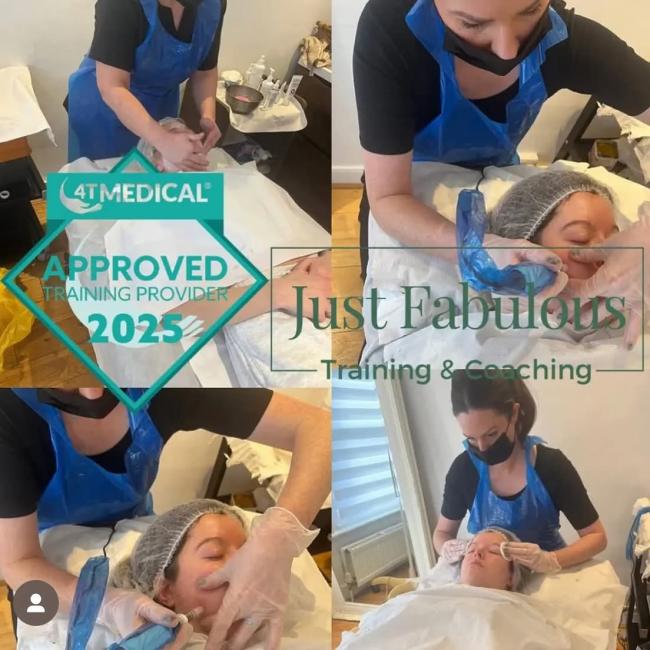
Microneedling/chemical peel package

Offered by Just Fabulous Training Course · kent, United Kingdom
The Microneedling and Chemical Peel Package is a comprehensive, hands-on training programme designed for qualified skin professionals ready to expand their treatment…
View course: Microneedling/chemical peel package
Treatment provider

Ageless Beauty Laser & Spa

Spa · Canada
View profile: Ageless Beauty Laser & Spa
Treatment provider

Katie’s Hair and Beauty Salon

Salon based · Essex, United Kingdom
View profile: Katie’s Hair and Beauty Salon

Pagination

  • First page « First
  • Previous page ‹‹
  • …
  • Page 10
  • Page 11
  • Page 12
  • Page 13
  • Current page 14
  • Page 15
  • Page 16
  • Page 17
  • Page 18
  • Next page ››
  • Last page Last »
The Hair and Beauty Directory

Newsletter

For professionals

  • Jobs
  • Classifieds
  • Join
  • Rent a room
  • Business Courses
  • Create your Profile
  • Pricing
  • Advertising with us

Explore

  • Advertise your courses
  • Search
  • Events
  • Find a professional
  • New to the industry
  • Articles & Blogs
  • What is verification?

Guidance

  • Inclusivity
  • HIV Awareness
  • Safety & Boundaries

Company

  • How it works
  • Terms and conditions
  • Contact
  • About Us

© 2026 HABD Limited. All rights reserved.

Members in 14+ countries