The Hair and Beauty Directory
  • Home
  • How it works
  • Search
  • About
  • Blog
  • Join
  • Business Courses
  • Contact us
  • Events
  • Jobs
Log in
Sign up
  • All
  • Professionals
  • Training
  • Jobs
  • Rooms
  • Classifieds
  • Brands
  • Academies
  • Events ›

Filters

Clear all
Applied
  • "Facial" (remove)×

Search for what actually matters to you

Accessibility and inclusivity
  • Oncology safe
  • Menopause informed
  • Neurodiverse friendly
  • Wheelchair accessible
  • Fragrance free
  • Quiet appointments
  • Low sensory
  • HIV inclusive
  • Trans-inclusive
  • Pregnancy safe

Search results

178 results for Facial

Threading

Profile picture for user admin
Submitted by Reece on Wed, 09/30/2026 - 12:19

Threading is a precise, chemical-free method of removing unwanted hair, most often used to shape the eyebrows and to tidy the upper lip, chin, cheeks and sides of the face. A trained technician twists a length of fine cotton thread and rolls it across the skin, catching individual hairs and lifting them cleanly from the follicle in neat rows. Because it removes hair at the root, results typically last longer than shaving, and because no wax or heat touches the skin, many people find it gentler on sensitive or reactive areas. It is one of the lower-risk beauty treatments, but the eye and brow area is delicate, so skill, hygiene and honest advice about your skin still matter. Threading suits most skin types and can be tailored to your preference, from a subtle clean-up to a defined reshape. It does not treat any skin condition and is purely a hair-removal and grooming service. A good practitioner will talk through the shape you want, check that your skin is healthy and intact, and work with fresh thread to keep the treatment clean and comfortable.

Service
Threading

In most cases little preparation is needed. If you are reshaping your brows, letting the hair grow for a couple of weeks beforehand gives the technician more to work with and a better result. Arrive with a clean, make-up-free face where possible, as this keeps the area hygienic and lets the practitioner see your natural hair pattern. It helps to bring a reference photo or to be ready to describe the shape and thickness you would like, so the outcome matches your expectations. Avoid strong exfoliants, retinoids, acids or sunbeds and heavy sun exposure for a day or two beforehand, as these can leave skin more sensitive or fragile. If you have recently had a facial, peel or laser in the same area, mention this. Tell your technician about any skin conditions, medicines or recent treatments at the start, so they can adjust their approach or advise waiting if your skin is not suitable that day.

You will usually sit or lie back while the technician holds the skin taut with one hand and works a twisted cotton thread across the area with the other. The thread rolls over the skin and lifts several hairs at a time directly from the root, following the shape you have agreed together. You may be asked to hold your own skin or eyelid gently in place to help keep the area steady and the lines clean. Brow shaping typically takes only a few minutes; larger areas such as the full face take a little longer. A skilled practitioner works methodically, checking the shape and symmetry as they go and pausing to show you progress if you wish. The sensation is a quick, repeated light scratching or plucking feeling rather than the pull of wax. Fresh thread should be used for you, and the technician should have clean hands and a tidy workspace throughout.

Threading has minimal aftercare, but the follicles are briefly open afterwards, so a little care helps prevent irritation. Some redness or small pink bumps are normal and typically settle within a few hours to a day. Avoid touching or rubbing the area with unwashed hands, and try to keep heavy make-up off freshly threaded skin for the rest of the day to lower the risk of blocked pores or infection. A cool compress or a simple soothing gel such as aloe vera can calm any warmth, though some people prefer to leave the skin bare. For around 24 hours it is sensible to avoid saunas, steam rooms, hot workouts, swimming pools, sunbeds and strong sun, as heat, sweat and UV can aggravate sensitive skin. Hold off on exfoliating acids and retinoids on the area for a day or so. If you notice unusual swelling, spreading redness or signs of infection, seek advice from a pharmacist or GP.

Threading is low-risk, but good hygiene is what keeps it safe, because the thread runs directly across the skin and briefly opens the follicles. Fresh, clean cotton thread should be used for each client and never reused between people, and the technician should have clean hands and a clean working area. Choose a practitioner who is trained and experienced, ideally insured, and who works in a clean, professional setting. A careful technician will check that your skin is healthy and intact before starting and will not thread over broken skin, active acne, cold sores, sunburn, eczema or any inflamed or infected area, as this can spread bacteria or worsen the skin. The eye and brow area is delicate, so precision and steady skin tension matter to avoid nicks or catching the skin. If anything about the cleanliness or the practitioner's confidence feels off, it is reasonable to pause and ask questions before going ahead.

Threading is a cosmetic hair-removal service and is not a substitute for medical care, but a few health factors are worth flagging to your technician. If you take the acne medicine isotretinoin (Roaccutane) or have recently finished it, your skin can be thin and fragile and may lift or tear easily, so many practitioners will decline threading or advise waiting; guidance in this area is debated, so check with your prescriber or a GP first. Let your technician know if you use retinoids or acid exfoliants, take blood thinners or steroids, or have a skin condition such as eczema, psoriasis, rosacea or very reactive skin, as any of these can make skin more sensitive or prone to marking. Recent facials, peels, laser or microneedling in the same area also mean the skin may need time to recover. If you are unsure whether threading is suitable for your skin or medication, speak to a GP or your prescribing clinician before booking.

A skin patch test is not standard for threading, because it uses only cotton thread with no dyes, chemicals or products that commonly trigger allergy. What matters instead is a proper check before the technician starts. Expect a brief consultation covering your skin health, any medicines such as isotretinoin or blood thinners, recent treatments in the area, and the shape you want. The practitioner should look at the skin to confirm it is intact and free of active acne, cold sores, sunburn, eczema or infection before threading over it. These checks reduce the risk of irritation, marking or spreading bacteria, and they protect you and the practitioner if anything were later disputed. Being open about your history at this stage is the best safeguard; if in doubt about a medicine or skin condition, a GP or prescriber can advise whether to proceed.

Be cautious if the thread looks reused between clients, if the technician does not appear to take a fresh length for you, or if their hands and workspace are visibly unclean. It is a warning sign if no one asks about your skin, medicines or recent treatments, or if a practitioner is willing to thread over active acne, cold sores, sunburn, broken or infected skin. Rushed, heavy-handed work that repeatedly catches or nicks the delicate skin around the eyes is a concern, as is a practitioner who dismisses your questions about hygiene or shape, or who cannot explain their training or insurance. Pushy upselling, no consultation and a dirty or chaotic setting are all good reasons to pause and reconsider.

Good practice starts with a clean, tidy setting and a technician with clean hands who takes a fresh length of cotton thread for you. Look for someone trained and experienced who is happy to explain their approach and show they are insured. A good practitioner asks about your skin, medicines and recent treatments, checks the skin is healthy before starting, and talks through the shape you want rather than assuming. They work with steady, controlled tension, check symmetry as they go and pause to let you see progress. Clear, honest aftercare advice and a willingness to say no or reschedule if your skin is not suitable that day are strong signs you are in careful, professional hands.

  1. Do you use a fresh piece of thread for every client, and how do you keep the area hygienic?
  2. What training and experience do you have in threading, and are you insured?
  3. Is threading suitable for my skin if I use retinoids or acids, take blood thinners, or take isotretinoin (Roaccutane)?
  4. Can we agree the brow shape and how much hair to remove before you start?
  5. What redness or reaction is normal afterwards, and what aftercare do you recommend?
  6. Would you advise waiting if I have recently had a facial, peel, laser or sunburn in the area?

Most people describe threading as a quick series of light scratching or plucking sensations as each row of hair lifts from the root, rather than the stronger tug of waxing. There can be a brief sting on more sensitive spots such as the upper lip or close to the inner brow, and your eyes may water a little around the brows, which is a normal reflex rather than a sign of harm. First-timers often feel it more, and skin can be more tender around the time of your period. Any discomfort is usually short-lived and eases as soon as the area is finished, often leaving a mild warm or tingly feeling for a short while.

Threading needs little to no downtime and most people return to their day straightaway. It is normal to see some redness, mild tenderness or a few tiny raised bumps immediately afterwards, particularly if it is your first time or the area is sensitive, and this typically fades within a few hours and often within a day. Because the treatment is quick and non-invasive, there is usually no lasting mark. If your skin runs reactive, you may prefer to schedule threading a day or two before an event rather than immediately before, so any short-lived redness has time to settle.

Because threading removes hair from the root, results typically last longer than shaving, commonly around two to four weeks, though this varies with your natural hair growth and cycle. As the hair grows back it tends to feel finer and softer than stubble, and regular threading can make regrowth look more even over time. Most people settle into a rhythm of every three to four weeks for brows to keep a defined shape, or as needed for facial areas. Between visits, avoid over-plucking at home, which can disrupt the shape your technician has created. The intensity of the result is easily tailored, from a light tidy that keeps your natural brow to a more defined reshape, so it is worth discussing your preference each time, especially if your ideal shape changes. Gentle daily brushing and a light moisturiser help keep the brows and surrounding skin in good condition between appointments.

Blemish Removal (Advanced Electrolysis)

Profile picture for user admin
Submitted by Reece on Wed, 09/30/2026 - 12:19

Blemish removal, often called advanced electrolysis or advanced cosmetic procedures, uses a fine probe to deliver a tiny amount of heat energy (short-wave diathermy or electrocautery) to the skin. It targets common, harmless surface blemishes such as skin tags, milia (small white bumps), thread veins and facial red veins, blood spots (cherry angiomas), seborrhoeic keratoses, sebaceous hyperplasia and some warts. The energy dries up or lifts away the blemish so the skin can heal cleanly, usually leaving a small crust that falls off over the following days. It is a precise, targeted treatment rather than a general facial. Importantly, it is only suitable for lesions that a suitably qualified practitioner has confirmed are benign. Anything pigmented, changing, bleeding or uncertain, including any mole, should never be treated cosmetically and needs medical assessment first. Results are often good for a single blemish in one session, though thread veins and some conditions can need repeat visits, and new blemishes can appear over time. It suits most healthy skin types when carried out by a trained, insured practitioner.

Start with a proper consultation before any treatment, ideally in person, so the practitioner can look closely at each blemish and confirm it is safe to treat. This is the most important step, because a mole or any pigmented, changing or unusual lesion must not be treated cosmetically and should be checked by a GP or dermatologist first. Share your full medical history, including any heart condition, pacemaker, epilepsy, diabetes, immune conditions, current medication and whether you might be pregnant, as several of these mean the treatment is not suitable. Avoid sunbathing, sunbeds and fake tan on the area beforehand, and come with clean skin free of heavy make-up. Do not use strong actives such as retinoids or acids on the exact spot for a few days before. If you are prone to cold sores and the area is near your lips, mention it, as treatment can trigger an outbreak.

Your practitioner will cleanse the skin and assess each blemish again before starting. A very fine probe or needle tip is applied to or just into the blemish, delivering a brief pulse of heat energy that treats the tissue. Each blemish typically takes only seconds to a minute or two, depending on its type and size, and several can often be treated in one appointment. You will usually feel a short, sharp heat or a stinging, prickling sensation with each application, which most people tolerate well without numbing. For thread veins the vessel may blanch or disappear as it is treated; for skin tags the tag is lifted or dried at the base; for milia the tiny contents are released. The area often looks red, slightly raised or swollen straight afterwards, and small pin-dot crusts may begin to form. Your practitioner should explain what they are treating, how it should heal, and set honest expectations about likely results.

Good aftercare protects the healing skin and lowers the risk of marking or infection. Small crusts or scabs will usually form to seal the area, and it is essential not to pick, rub or scratch them, as they need to fall away naturally over several days to a couple of weeks. For the first 48 hours, avoid heat and friction on the area: no hot showers or baths, saunas, steam rooms, swimming, vigorous exercise, alcohol or other facial treatments. Keep the skin clean with a gentle, fragrance-free cleanser and pat rather than rub it dry. Hold off on make-up, perfume and fake tan over the treated spots until fully healed. Protect the area from the sun completely while it heals and use a high-factor sunscreen once any crust has gone, as new skin marks easily in UV light. If the area becomes increasingly painful, hot, swollen or oozing, contact your practitioner or GP.

The single most important safety point is that only harmless, benign blemishes should ever be treated this way. A mole, or any lesion that is pigmented, changing shape or colour, bleeding, itching, crusting or that anyone is unsure about, must not be removed cosmetically and needs assessment by a GP or dermatologist to rule out skin cancer. Choose a practitioner who is specifically trained and qualified in advanced electrolysis or advanced cosmetic procedures, insured for this work, and working in clean, professional premises with single-use, sterile probes. They should take a full medical history, carry out a proper consultation and be willing to decline or refer anything outside their competence. Correct technique, settings and depth matter, as overtreatment can cause burns, scarring or pigment changes, particularly in deeper skin tones. A good practitioner treats conservatively and reviews healing before doing more.

Several conditions typically make this treatment unsuitable or mean you need medical clearance first, including a pacemaker or metal implant in the area, epilepsy, uncontrolled heart problems or high blood pressure, uncontrolled diabetes, any current or past cancer in the area, immune conditions or immune-suppressing treatment, and pregnancy. Active infection, cold sores, herpes, eczema, psoriasis or sunburn on the spot mean treatment should wait until the skin has settled. Blood-thinning medication and a tendency to keloid or raised scarring should be discussed, as should a history of cold sores if the face is being treated. Because heat energy is used, always tell your practitioner about implanted electrical devices. If in any doubt about what a blemish is, or if a lesion has recently appeared or changed, see your GP or a dermatologist before booking, rather than having it treated cosmetically. This treatment does not diagnose or treat skin disease.

A skin patch test is not the standard for this treatment, as no allergy-triggering products are applied. What matters far more is a thorough face-to-face consultation and lesion assessment before anything is treated. The practitioner should examine each blemish, confirm it is benign and safe to treat, and refuse or refer any mole or any pigmented, changing or uncertain lesion for medical review first. This protects you and reduces the practitioner's liability, because treating a lesion that later turns out to be skin cancer, or working on unsuitable skin, can leave them at fault. Many practitioners also treat a single small test area or one blemish first to see how your skin heals and reacts before doing more, which is sensible and worth asking for.

Be cautious if a practitioner offers to remove a mole, or any pigmented, changing or bleeding lesion, without insisting it is medically assessed first, as this is a serious warning sign. Other red flags include no proper consultation or medical history, no clear training or insurance in advanced electrolysis, reused or non-sterile probes, dirty or unhygienic premises, pressure to treat lots of blemishes aggressively in one go, and unrealistic promises of permanent, scar-free results for everything. Vague answers about aftercare or what a blemish actually is, dismissing your questions, or an unwillingness to say no to unsuitable work should all make you think twice.

Good practice looks like a thorough, unhurried consultation where each blemish is examined and only benign lesions are treated, with clear referral of anything suspicious to a GP or dermatologist. Look for a specifically trained, qualified and insured practitioner working in clean premises with single-use, sterile probes, who takes a full medical history and checks for contraindications. They should explain honestly what can and cannot be improved, treat conservatively, offer a test area or single blemish first, and give you clear written aftercare. A willingness to decline unsuitable work, review your healing before doing more, and answer questions openly are all strong signs you are in safe hands.

  1. What training and qualifications do you hold in advanced electrolysis or advanced cosmetic procedures, and are you insured for this work?
  2. How do you decide a blemish is safe to treat, and what would make you refer me to a GP or dermatologist instead?
  3. Are the probes single-use and sterile, and how do you keep the treatment area hygienic?
  4. Given my skin type and medical history, is this treatment suitable for me and are there any risks I should know about?
  5. Realistically, how many sessions might I need, and could this blemish return or leave any mark?
  6. What does the healing process involve, and what aftercare and follow-up do you provide?

During treatment you will usually feel a brief, sharp heat or a stinging, prickling sensation each time the probe is applied, a bit like a quick tiny sting. It is short-lived and most people tolerate it comfortably without numbing cream, especially as each blemish takes only seconds. Afterwards the area often feels tender, tight or slightly sore to the touch, and looks red and a little swollen for a day or two. As the small crusts form and heal, you may notice mild itching, which is normal, though it is important not to scratch or pick. Any strong, worsening or lasting pain is not expected and should be checked.

Most people carry on with normal daily life straight away, though the treated spots will look red and slightly swollen for around 24 to 48 hours, and small crusts may be visible for several days up to about two weeks. Healing time depends on the type and number of blemishes treated and where they are on the body. Facial areas often heal quickly but are more noticeable in the meantime. It is best not to plan treatment right before a big event or a holiday with strong sun. Full skin recovery and any final settling of the colour and texture can take a few weeks.

For many single blemishes such as a skin tag or a milium, one session gives a lasting result once the area has healed. Thread veins, red veins and some other conditions often need more than one treatment, and can gradually recur, so occasional top-up sessions may be needed to keep the skin clear. It is worth remembering that this treatment tidies existing blemishes rather than stopping new ones forming, so if you are prone to skin tags, milia or thread veins, more can appear over time and be treated as they arise. Protecting your skin from the sun, keeping to a gentle skincare routine and staying at a stable weight can all help. Your practitioner can tailor how much is treated in each visit to your comfort, budget and how your skin heals, building up gradually rather than doing everything at once.

PDO Threads (Thread Lift)

Profile picture for user admin
Submitted by Reece on Wed, 09/30/2026 - 12:19

PDO threads are a non-surgical procedure that uses fine, absorbable surgical sutures made from polydioxanone (PDO), the same material used in some medical stitches. The threads are inserted under the skin using a needle or cannula. Smooth or twisted threads are used mainly to stimulate the skin's own collagen, while barbed or cog threads can gently reposition and lift areas of mild-to-moderate laxity, such as the cheeks, jawline, brows or neck. Over several months the PDO is broken down and absorbed by the body, leaving behind newly stimulated collagen. This is an injectable, medical-type procedure that breaks the skin and carries real risks, so it should always be treated as a clinical treatment rather than a beauty service. Results are typically subtle and are not a replacement for a surgical face lift; they usually last somewhere in the region of twelve to eighteen months, though this varies from person to person. Because outcomes depend heavily on the practitioner's anatomical knowledge, sterile technique and choice of thread, choosing a qualified, insured and appropriately regulated provider matters more than the price you pay.

The most important step is a proper face-to-face consultation with a qualified, insured practitioner, ideally a medical or prescribing professional, who takes a full medical history and assesses whether threads suit your degree of skin laxity. Be honest about medicines and supplements, especially blood thinners, and about any bleeding, autoimmune or inflammatory conditions, recent illness or infection. In the days beforehand you may be advised to avoid alcohol, and to pause blood-thinning medicines or supplements such as fish oil, high-dose vitamin E, aspirin or ibuprofen only if your prescriber agrees, as this can reduce bruising. Any dental work or elective surgery is usually best completed first because of infection risk. Arrive with clean skin, no make-up, and allow time for a cooling-off period so you can give genuinely informed consent rather than deciding on the day.

Treatment takes place in a clean clinical setting. The practitioner marks the areas to be treated, cleans the skin thoroughly and usually applies a local anaesthetic, sometimes with a small injection, so the procedure is well tolerated. A fine needle or blunt cannula is used to place the threads at the correct depth in the tissue. With lifting threads, you may feel a tugging or pulling sensation as the thread is gently anchored and the tissue repositioned, and the practitioner may ask you to make facial movements to check symmetry. The number of threads depends on the area and the effect you want, and the plan can be tailored to give a more subtle or more noticeable result. A typical session lasts around thirty to sixty minutes. Mild pressure, stinging or a pinching feeling is normal; sharp or severe pain should be mentioned straight away.

Follow the written aftercare instructions your clinic gives you and keep the contact details for any concerns. For the first day or two keep the area clean and avoid touching or massaging it. It is generally advised to sleep on your back with your head slightly raised for several nights, and to avoid wide mouth movements, exaggerated facial expressions, chewing very hard or chewy foods, and dental treatment for a couple of weeks so the threads settle. Avoid strenuous exercise, saunas, steam rooms, swimming and very hot showers for about a week or two, and hold off on facials, massage and energy-based skin treatments for four to six weeks. Steer clear of alcohol for a day or so, and protect the skin from strong sun. Take any recommended pain relief as directed. Attend your follow-up appointment so results can be reviewed and any early problems caught quickly.

Treat PDO threads as a medical procedure. In most cases the safest choice is a qualified, insured practitioner who is appropriately regulated, ideally a medical or prescribing professional such as a doctor, dentist, nurse or suitably qualified prescriber, working in a clean clinical environment with single-use sterile threads. Insist on a face-to-face consultation, a full medical history and written informed consent, and check the practitioner can manage complications or refer you if something goes wrong. In England, a licensing scheme for non-surgical cosmetic procedures is being developed and higher-risk treatments like threads are expected to sit in a higher tier requiring healthcare-professional involvement, but this is not yet fully in force, so check the current rules where you live. You can look for practitioners on voluntary registers such as the JCCP or Save Face. Avoid anyone offering threads as a cheap, rushed beauty add-on without proper assessment.

PDO threads break the skin and place a foreign material into the tissue, so medical suitability matters. They are generally not advised if you are pregnant or breastfeeding, have an active skin infection or inflammation in the area, a bleeding disorder, are taking blood thinners without prescriber agreement, or have certain autoimmune or inflammatory conditions. Tell your practitioner about diabetes, a history of keloid or poor scarring, cold sores, recent or planned dental work, previous facial surgery or fillers, and any allergies. Threads can, rarely, cause infection, thread migration or extrusion through the skin, prolonged asymmetry, nodules, and, uncommonly, nerve irritation or injury. If you have underlying health conditions or take regular medication, discuss the treatment with your GP or prescriber first. Anyone under eighteen should not be treated for cosmetic reasons. This procedure is not suitable for significant sagging, where surgical options may be more appropriate.

A skin patch test is not the relevant safety check here, because PDO threads do not rely on a substance applied to the skin in the way that tints or dyes do, and PDO is a long-established, well-tolerated suture material. What protects you instead is a thorough face-to-face consultation and medical history taken by a qualified practitioner before treatment. This is where genuine contraindications, medicines such as blood thinners, bleeding or autoimmune conditions, allergies, scarring tendencies and realistic suitability are identified and documented. Proper assessment and written informed consent are central to reducing risk and to a practitioner's insurance and UK liability position; skipping them can leave an insured practitioner exposed if a claim arises. If you have a known sensitivity to local anaesthetic, tell the clinic, as a separate check for that may be sensible.

Be cautious if a provider offers threads with no proper face-to-face consultation, no medical history and no cooling-off period, or pressures you to book quickly or take a discount on the day. Other warning signs include a non-clinical or unhygienic setting, reluctance to confirm qualifications, insurance or regulatory status, no plan for managing complications, and threads reused or not clearly single-use and sterile. A non-medical practitioner performing this injectable procedure, or one who cannot prescribe or access emergency medicines, should give you pause. After treatment, seek help urgently for spreading redness, heat, increasing pain, pus or fever, a thread poking through the skin, severe or lasting asymmetry, or numbness that does not settle.

Good practice looks like a qualified, insured and appropriately regulated practitioner, ideally a medical or prescribing professional, working in a clean clinical environment. Expect an unhurried face-to-face consultation, a full medical history, honest discussion of whether threads suit you and realistic expectations about a subtle, temporary result, plus written informed consent and a cooling-off period. Look for single-use sterile threads, clear infection-control, transparent pricing, and named aftercare and follow-up arrangements. A good provider explains the risks as readily as the benefits, is happy to be checked on registers such as the JCCP or Save Face, and has a clear protocol for managing or referring complications. Being told threads are not right for you is itself a sign of a trustworthy clinic.

  1. What are your medical and aesthetic qualifications, are you registered with a body such as the JCCP or Save Face, and are you insured specifically for thread lifts?
  2. Are you a prescriber, and if not, who oversees prescribing and how would you manage a complication or emergency?
  3. Based on my skin and face, am I a suitable candidate, and would you honestly recommend threads or another option?
  4. What type of threads will you use, are they single-use and sterile, and how many will you place?
  5. What results and how long a duration can I realistically expect, and what does this cost including any review appointments?
  6. What are the specific risks for me, what does aftercare involve, and what follow-up and support do you provide?

During treatment you will usually feel the cold of the antiseptic and then the local anaesthetic taking effect, which may sting briefly. Once numb, most people feel pressure, tugging or a pulling sensation, particularly with lifting threads as the tissue is repositioned, rather than sharp pain. Afterwards it is normal to feel tightness, mild soreness, a slightly pulled or stiff sensation when moving the face, and tenderness at the entry points for several days. Some people notice minor dimpling or puckering that settles. Sharp, severe or worsening pain is not expected and should be reported to your clinic promptly.

Downtime is usually modest but real. Most people have some swelling, tenderness, bruising and small entry-point marks for several days to a couple of weeks, and mild tightness or slight dimpling that eases as the tissue settles. Many return to desk-based work within a day or two, though visible bruising can last longer. Full collagen-related results build gradually over roughly one to three months. Because everyone heals differently, allow a buffer before any events and avoid booking treatment right before a holiday or big occasion.

Results appear in two stages. Any lifting effect is visible fairly soon, though it is partly masked at first by swelling, while the collagen-stimulating benefit builds gradually over about one to three months as your skin responds to the threads. The PDO itself is fully absorbed within roughly six months, but the collagen it stimulates lingers, so the effect typically lasts somewhere around twelve to eighteen months, varying with your age, skin quality and lifestyle. Results are subtle and are not equivalent to surgery. To maintain the look, people often repeat treatment before the effect fully fades, and combine it with good skincare, sun protection and sometimes other treatments as advised. The intensity can be tailored by adjusting the number and type of threads. Protecting your skin from strong sun and not smoking help results last.

Treatment provider

The Tina Sinclair Clinic

★ Expert
Clinic based · Dunfermline, United Kingdom
Established 1997 Electrolysis, trans electrolysis, aesthetic electrolysis (treatment and removal of unwanted blemishes) and advanced branded skin treatments such as…
5.0 64 reviews
View profile: The Tina Sinclair Clinic
Member

Lisa

Aesthetics practitioner, Beauty therapist, Manager · Portsmouth, United Kingdom
Lisa is Level 5 qualified in a variety of beauty & aesthetic treatments including CACI, skin needling, fat dissolving injections, plasma fibroblast skin tightening,…
View profile: Lisa
Member

Mandy Ivison

Assessor, Beauty therapist, Semi permanent make up artist · WALLSEND, United Kingdom
I'm a skilled permanent makeup artist, tattooist & beauty expert with over 14 years of experience. I specialise in enhancing beauty, advanced skincare, and tattooing…
View profile: Mandy Ivison

Full Face Waxing

Profile picture for user admin
Submitted by Reece on Wed, 09/30/2026 - 12:19

Full face waxing is a quick, effective way to remove unwanted hair from the whole face in one appointment, typically taking in the upper lip, chin, cheeks, sides of the face, brows and sometimes the forehead. Warm or hot wax is applied to small sections and removed to lift the hair out from the root, which leaves the skin smooth and slows visible regrowth compared with shaving or plucking. Because facial skin is delicate and more reactive than skin on the body, it is best treated by a trained, insured therapist who can choose the right wax, work in the direction of hair growth and adjust their approach for your skin type. Many people find that regular waxing over time can leave the hair looking finer and more sparse, though this varies from person to person. It suits most healthy, intact skin, but it is not right for everyone, and certain medicines and skin conditions rule it out. A good salon will always talk through your skin, your history and your expectations before starting, so the result is comfortable and tailored to you.

Service
Full Face Waxing

For the wax to grip properly, let the hair grow to roughly the length of a grain of rice, usually two to three weeks of regrowth, and avoid plucking or threading in between. Gently exfoliate the face a day or two beforehand to help lift away dead skin and reduce ingrown hairs, but do not scrub on the day itself. Skip strong actives such as retinoids, glycolic or salicylic acid and prescription acne creams for several days first, as these thin and sensitise the skin and can cause it to lift or tear during waxing. Steer clear of sunbeds, sunbathing, saunas, hot yoga and facial peels for a few days before your appointment. Arrive with clean, product-free skin and avoid heavy make-up. Tell your therapist about any medicines, recent treatments or skin concerns during the consultation, and, if you have never been waxed by this salon before, ask about a patch test so any reaction shows up before your full appointment.

Your therapist will start by cleansing the skin and checking for anything that would make waxing unsuitable that day. They will usually apply a thin pre-wax oil or powder to protect the skin, then spread warm wax over a small section, either with a strip or as a peelable hot wax, and remove it swiftly in the opposite direction to hair growth while holding the skin taut. Hot wax, which sets and is lifted without a strip, is often chosen for delicate areas like the upper lip and chin because it grips hair rather than skin and can feel kinder. The whole face is treated in stages, and the therapist may go back over stray hairs with tweezers. A full face typically takes around twenty to thirty minutes. Some warmth, brief stinging and pinkness are normal. Tell your therapist if anything feels too hot or too sore, as the treatment can be paced and tailored to your comfort.

Expect some redness, warmth and tiny bumps for a few hours, occasionally up to a day. Soothe the skin with a cool compress and a plain, fragrance-free moisturiser or a gel such as aloe vera, and keep your hands off the area to avoid transferring bacteria. For the first twenty-four to forty-eight hours, avoid heat and friction: no hot baths, saunas, steam rooms, swimming, intense exercise or sunbeds, as freshly waxed skin is more prone to irritation. Hold off on make-up, perfumed products, self-tan and strong actives like retinoids and acid exfoliants for a day or two. Use a high-factor SPF if you are going outside, because the skin is more sun-sensitive after waxing. From around forty-eight hours, gentle regular exfoliation two or three times a week helps prevent ingrown hairs. If you notice spreading redness, blistering, weeping or signs of infection, contact your therapist or GP.

The safe position with facial waxing is a trained, insured therapist working in clean, hygienic conditions on healthy, intact skin, because the face is delicate and reactions here are more visible and uncomfortable than on the body. Good practice means no double-dipping of spatulas into the wax pot, single-use strips and applicators where possible, and freshly sanitised surfaces and hands between clients, all of which reduce the risk of cross-contamination and infection. The therapist should carry out a consultation, check your skin and medical history and identify any contraindications before starting, and choose a wax and technique suited to your skin type and sensitivity. Skin should never be waxed over broken areas, active cold sores, sunburn, eczema flare-ups, moles or raised lesions. If you have very reactive skin or a history of reactions to waxing, a patch test beforehand is wise. A responsible salon will decline or reschedule when waxing is not safe for you that day.

Some medicines and conditions make waxing unsafe because they thin, fragile or over-sensitise the skin, raising the risk of lifting, tearing, burns or scarring. Do not wax if you are taking the acne medication isotretinoin (Roaccutane), and most professionals advise waiting at least six months after finishing it before waxing the face; check with your prescriber. Topical retinoids, prescription acne creams and recent chemical peels, laser, microdermabrasion or dermaplaning also compromise the skin barrier, so leave a suitable gap. Blood-thinning medication increases bruising and bleeding, and conditions such as diabetes, poor circulation, rosacea, psoriasis, eczema and very sensitive or thin skin need caution and sometimes medical advice first. Let your therapist know if you are pregnant, as skin can be more reactive. If you are unsure whether a medicine or condition affects you, speak to your GP or pharmacist, and always disclose your full history at the consultation so the therapist can decide whether to proceed.

Waxing does not carry the same allergy risk as tint or dye, so a formal patch test is not always routine, but it is sensible for anyone new to a salon, with sensitive or reactive skin, or with a history of reactions to wax or its resins. The more important safeguard is a proper consultation: the therapist should review your skin condition, medicines and recent treatments, and rule out contraindications such as isotretinoin, retinoids, blood thinners, active skin conditions or recent resurfacing. A small test patch of wax on an inconspicuous area, left to see how the skin responds, adds reassurance where sensitivity is a concern. This matters for UK liability too: an insured therapist who skips reasonable checks and pre-tests could be found at fault if a reaction follows, so thorough consultation and clear record-keeping protect both you and the salon.

Be wary if the therapist double-dips the same spatula back into the wax pot, reuses strips between clients, or works with visibly dirty tools or surfaces, as this risks cross-contamination and infection. It is a poor sign if no one asks about your medicines, skin history or recent treatments, or is happy to wax over sunburn, cold sores, active eczema, broken skin, moles or raised lesions. Wax that feels scalding hot rather than comfortably warm, or a therapist who dismisses your discomfort, should prompt you to speak up or stop. Pressure to proceed while you are on Roaccutane or strong retinoids, or a salon that cannot show insurance or training, are reasons to walk away. Reddening that blisters or breaks the skin is not normal and needs attention.

A good salon starts with a consultation, asking about your skin, medicines, allergies and recent treatments, and is willing to reschedule if waxing is not safe that day. You should see clean, tidy surfaces, freshly washed or gloved hands, single-use strips and spatulas where possible, and no double-dipping into the wax pot. The therapist tests the wax temperature, explains what they are doing, works in small sections and checks in on your comfort throughout, adjusting the technique for delicate areas like the upper lip. They will offer a patch test if your skin is reactive, give clear aftercare advice, and hold recognised qualifications and current insurance. Honest guidance about realistic results, regrowth and any areas better suited to a different method is another sign of a trustworthy, professional service.

  1. Are you trained and insured specifically for facial waxing, and how long have you been doing it?
  2. Do you use hot wax or strip wax on the face, and which will you use for my more sensitive areas?
  3. How do you keep things hygienic, and do you avoid double-dipping and reuse single-use tools?
  4. Given my skin type and any medicines I take, is full face waxing suitable for me today?
  5. Would you recommend a patch test first, and how long before my appointment should it be done?
  6. What aftercare do you advise, and what should I do if my skin reacts or does not settle?

Most people feel a warm sensation as the wax goes on, followed by a quick, sharp sting as it is pulled away, which fades within seconds. The upper lip, chin and brow area tend to be the most sensitive because the skin is thin and close to bone, while the cheeks are usually more comfortable. Afterwards the skin often feels warm, tight or a little tender, with visible pinkness and sometimes small raised bumps around the follicles for a few hours. The discomfort is generally brief and manageable, and many find it eases with each visit as they get used to it. Everyone's tolerance differs, so tell your therapist if anything feels too hot or too painful, as they can pace the treatment and adjust to keep you comfortable.

There is little to no real downtime with full face waxing, which is part of its appeal. Most people return to normal activities straight away, though the skin often looks pink or blotchy and may feel slightly tender for a few hours, and occasionally into the next day for more sensitive skins. Small red bumps around the follicles usually settle quickly. It is sensible not to book a wax immediately before an important event or photographs in case your skin stays reactive a little longer than expected. Avoid heat, sweat, swimming and make-up for the first day so the open follicles can close and calm. If redness or soreness has not eased within twenty-four to forty-eight hours, check in with your therapist.

Because waxing removes hair from the root, smoothness typically lasts around three to six weeks, longer than shaving, depending on your individual hair growth cycle and the area. Regrowth comes through gradually and often feels softer and finer than stubble from shaving. To keep results at their best, wait until the hair is long enough to grip again, usually two to three weeks, rather than shaving or plucking in between, which breaks the cycle and can make sessions less effective. Gentle exfoliation two or three times a week and daily moisturising help prevent ingrown hairs and keep the skin smooth. Sticking to a regular schedule tends to make each wax more comfortable, and some people find that over months and years the hair grows back more sparsely. Your therapist can tailor the timing and areas treated to suit your hair and skin.

Upper Lip Waxing

Profile picture for user admin
Submitted by Reece on Wed, 09/30/2026 - 12:19

Upper lip waxing is a quick, popular form of temporary hair removal that lifts fine to coarse hair from the root across the top lip. Warm (soft) or hot (hard) wax is applied to the small area, allowed to grip the hair, then removed to take the hairs with it. Because it removes hair below the surface, results usually last longer than shaving or depilatory creams, and regrowth often feels softer over time. Many people choose it for smooth skin ahead of make-up or simply for day-to-day confidence. The upper lip is a delicate, visible area with thin skin, so technique, wax temperature and hygiene matter more than the small size of the zone might suggest. Hard wax is often preferred here because it clings to hair rather than skin, which can reduce discomfort and redness. It is a low-risk beauty treatment for most healthy adults, but it is not suitable for everyone: certain medicines, skin conditions and recent treatments can make skin more fragile. A brief consultation and honest chat about your skin and medical history helps your therapist tailor the approach and keep the experience comfortable and safe.

Service
Upper Lip Waxing

Let the hair grow to roughly five millimetres, about the length of a grain of rice, so the wax has enough to grip; hair that is too short may be missed. Avoid strong exfoliating actives on the area for a few days beforehand, including retinoids, glycolic or salicylic acid and scrubs, as these thin and sensitise the skin and raise the risk of lifting. Skip sunbeds, sunbathing and fake tan for around twenty-four to forty-eight hours before your appointment, and reschedule if the skin is sunburnt, broken or irritated. Come with a clean, product-free lip area, as oils and heavy moisturiser can stop the wax adhering. Cutting back on caffeine and alcohol on the day may reduce sensitivity for some people. Tell your therapist about any medicines, recent facials or peels, and skin conditions so they can decide whether to proceed, patch test or adjust the wax used.

Your therapist will start by cleansing the upper lip and often dusting it with a little powder to protect the skin and absorb moisture. They may apply a thin pre-wax oil, particularly with hard wax, so it grips hair rather than skin. Warm wax is spread in the direction of hair growth, left to set for a moment, then removed swiftly against the growth while the skin is held taut. The whole treatment usually takes only a few minutes because the area is small. You may feel a brief, sharp tug as each strip or piece is removed, followed quickly by soothing pressure from the therapist's hand, which helps ease the sting. A calming lotion or gel is applied afterwards to reduce redness. A good therapist will check the temperature of the wax on themselves first, work in small sections and never double-dip a used spatula back into the pot, keeping the process hygienic and comfortable.

For the first twenty-four to forty-eight hours the skin is more vulnerable, so treat it gently. Avoid touching or picking at the area, and hold off on make-up, perfumed products and heavy creams over the lip for at least a day to lower the chance of irritation or blocked follicles. Keep away from heat and friction: no hot baths, saunas, steam rooms, swimming pools or vigorous exercise for a day or so, as sweat and heat can irritate freshly waxed skin. Steer clear of direct sun and sunbeds, and once redness settles apply a broad-spectrum SPF, since the skin can be more sun-sensitive. From around day two or three, light exfoliation a couple of times a week and a simple moisturiser help prevent ingrown hairs. If you notice unusual soreness, spots or lifting of skin, keep the area clean and seek advice from your therapist or a pharmacist.

Safety here rests mainly on hygiene, correct wax temperature and honest screening, because the upper lip has thin, delicate skin over a visible area. The wax should be warm, never scalding: overheated wax can burn, and a lip burn is both painful and slow to fade. Choose a clean, professional setting where the therapist washes their hands, wears gloves where appropriate and never double-dips a used spatula back into the wax pot, as re-dipping can transfer bacteria. Single-use spatulas or fresh strips are a good sign. Your therapist should ask about your medical history and current skincare before starting, and should decline or adjust the treatment if your skin is broken, sunburnt, infected or recently exfoliated. If you are new to waxing or have reactive skin, a patch test is a reasonable precaution. When in doubt about a medicine or skin condition, it is always worth checking with your GP or pharmacist first.

Some medicines and conditions make waxing unsuitable or riskier, so share your full history. Oral isotretinoin (Roaccutane) and other oral retinoids thin the skin and greatly increase the risk of tearing or lifting; the widely used professional standard is to avoid facial waxing while taking it and for around six months after stopping, though you should confirm timing with your prescriber. Topical retinoids, recent chemical peels, microdermabrasion or laser on the area also fragilise skin and warrant a delay. Blood-thinning medication can increase bruising, and conditions such as poorly controlled diabetes may slow healing. Active cold sores, eczema, psoriasis, rosacea flares, sunburn or broken skin over the lip mean waxing should wait. Pregnancy, hormonal treatments and some antibiotics can heighten skin sensitivity. Waxing is not a medical treatment and does not diagnose or treat any skin condition. If you are unsure whether a medicine or condition affects your suitability, check with your GP, pharmacist or prescriber before booking.

A patch test is not always routine for a simple wax, but it is sensible for first-time clients, sensitive or reactive skin, or if you use active skincare or have recently had facials or peels. More important is a proper pre-treatment check: your therapist should review your medicines, skin conditions, recent treatments and sun exposure, and inspect the area for broken or irritated skin before applying wax. This matters for both safety and UK liability, because an insured practitioner who skips reasonable screening and causes a burn, tear or reaction could be found at fault in a claim. Remember that skin can also become sensitised over time, so a clear history today does not guarantee no reaction in future. If anything about your skin or health has changed, mention it, even if you have been waxed before.

Be cautious if the therapist double-dips a used spatula back into the wax pot, works from a dirty or cluttered station, or does not wash their hands or change gloves between clients. Wax that feels uncomfortably hot on your skin, or a therapist who does not test the temperature, is a burn risk and a warning sign. Take note if no one asks about your medical history, medicines or recent skincare, or if concerns you raise, such as being on Roaccutane or having a cold sore, are brushed aside. Pressure to proceed on sunburnt, broken or infected skin, reluctance to explain aftercare, or an unwillingness to answer questions about hygiene and training are all reasons to pause and consider going elsewhere.

Good practice looks like a clean, tidy treatment room, visible hand-washing and gloves where appropriate, and single-use or freshly changed spatulas with no double-dipping. A conscientious therapist tests the wax temperature before applying it, works in small sections, holds the skin taut and soothes the area straight afterwards. They will ask about your medical history, medicines, allergies and recent skincare, and be willing to postpone or patch test if that is the safer choice. Clear, honest explanations of what to expect, realistic advice on regrowth, and written or spoken aftercare are all reassuring. Relevant qualifications, professional insurance and membership of a recognised industry body are further signs you are in careful hands.

  1. Do you use single-use spatulas or ensure there is no double-dipping into the wax pot?
  2. Will you patch test me, and do you check temperature before applying the wax to my lip?
  3. I use retinoids or acid exfoliants on my skin, or I am on medication such as Roaccutane, is it safe for me to be waxed?
  4. Do you use hard or soft wax on the upper lip, and which do you feel suits my skin best?
  5. What qualifications, training and insurance do you hold for facial waxing?
  6. What aftercare should I follow, and what should I do if I get redness, bumps or ingrown hairs?

Most people feel a quick, sharp tug or stinging pinch as the wax is pulled away, since the hairs are lifted from the root. Because the upper lip has thin skin and sits near the nose, this small area can feel more sensitive than others, and your eyes may water briefly, which is a normal reflex rather than a sign of harm. The sting usually fades within seconds, especially when the therapist presses a hand over the area straight afterwards. You can expect some warmth, mild throbbing and pinkness for a short while, and occasionally tiny bumps. Sensitivity varies from person to person and can be greater around your period or if you are new to waxing.

There is essentially no downtime with upper lip waxing, which is part of its appeal. Most people return to normal activities straight away. Expect some redness, warmth and mild tenderness for anywhere from twenty minutes to a few hours, and occasionally small raised bumps where hairs have been removed, which typically settle within a day. Those with sensitive or reactive skin may stay pink a little longer. A cool compress and a fragrance-free soothing gel help. Because the skin is briefly more delicate, it is sensible to plan waxing a day or two before an important event rather than on the day itself.

Upper lip waxing typically keeps the area smooth for around two to four weeks, though this varies with your natural hair cycle and how quickly you regrow. Because the hair is removed from the root, regrowth tends to feel finer and softer than the stubble left by shaving, and over time some people find hair grows back a little sparser. For best results, let the hair reach about five millimetres before rebooking rather than waxing too soon, and try to keep to a regular pattern so more hairs are caught in the same growth phase. Gentle exfoliation a couple of times a week and daily moisturising between appointments help prevent ingrown hairs and keep skin comfortable. Waxing does not permanently remove hair; if you want a longer-term reduction, laser or electrolysis with a qualified provider may be worth discussing. Your therapist can tailor frequency and wax type to your skin's sensitivity and your regrowth.

Classified

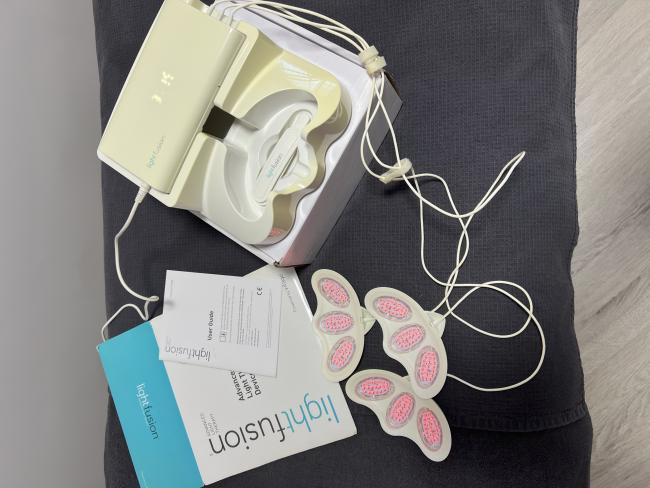
Light Fusion LED

Selling · Beauty Equipment · Gravesend Kent, United Kingdom
What is Lightfusion? Lightfusion is an innovative photo-facial suitable for all skin types that utilises natural visible red light and near infrared light wavelengths to…
£100
View item: Light Fusion LED
Member

Sam Marshall

Beauty therapist · Manchester, United Kingdom
Award-winning skin specialist, educator and inclusive waxing expert based in MediaCityUK, Manchester.
View profile: Sam Marshall

Pagination

  • First page « First
  • Previous page ‹‹
  • …
  • Page 8
  • Page 9
  • Page 10
  • Page 11
  • Current page 12
  • Page 13
  • Page 14
  • Page 15
  • Page 16
  • …
  • Next page ››
  • Last page Last »
The Hair and Beauty Directory

Newsletter

For professionals

  • Jobs
  • Classifieds
  • Join
  • Rent a room
  • Business Courses
  • Create your Profile
  • Pricing
  • Advertising with us

Explore

  • Advertise your courses
  • Search
  • Events
  • Find a professional
  • New to the industry
  • Articles & Blogs
  • What is verification?

Guidance

  • Inclusivity
  • HIV Awareness
  • Safety & Boundaries

Company

  • How it works
  • Terms and conditions
  • Contact
  • About Us

© 2026 HABD Limited. All rights reserved.

Members in 14+ countries