
The Hair and Beauty Directory
  • Home
  • How it works
  • Search
  • About
  • Blog
  • Join
  • Business Courses
  • Contact us
  • Events
  • Jobs
Log in
Sign up
  • All
  • Professionals
  • Training
  • Jobs
  • Rooms
  • Classifieds
  • Brands
  • Academies
  • Events ›

Filters

Clear all
Applied
  • "Deep tissue massage" (remove)×

Search for what actually matters to you

Accessibility and inclusivity
  • Oncology safe
  • Menopause informed
  • Neurodiverse friendly
  • Wheelchair accessible
  • Fragrance free
  • Quiet appointments
  • Low sensory
  • HIV inclusive
  • Trans-inclusive
  • Pregnancy safe

Search results

36 results for Deep tissue massage

Deep Tissue Massage

Profile picture for user admin
Submitted by Reece on Wed, 09/30/2026 - 12:19

Deep tissue massage is a firm, focused form of massage that works into the deeper layers of muscle and the surrounding connective tissue (fascia). Using slower strokes and sustained pressure, a therapist targets areas of tension, tightness and long-standing knots, often around the neck, shoulders, back and legs. Many people choose it to ease muscular aches, improve how a stiff area feels and moves, and to unwind, though it is best understood as a complementary therapy for wellbeing and muscular comfort rather than a treatment or cure for any medical condition. It is more intense than a relaxing Swedish or aromatherapy massage, so it will not suit everyone or every day. A good therapist tailors the pressure and pace to your body, your tolerance and what you want from the session, checking in as they work. If you have pain that is new, severe, unexplained or getting worse, it is sensible to see your GP first so anything that needs medical attention is not missed. Deep tissue work sits alongside, not instead of, medical care.

Service
Deep tissue massage

It helps to arrive well hydrated and to avoid a very heavy meal or alcohol immediately beforehand. Wear or bring comfortable clothing, and allow a little time so you are not rushing in stressed. Before hands-on work begins, expect a short consultation covering your health history, any medication (including blood thinners), recent injuries or surgery, pregnancy, and the areas causing you trouble. Be open here: this is how the therapist keeps you safe and adjusts the treatment to your needs. Tell them exactly what you want, whether that is firm work on a stubborn shoulder or something gentler overall, and mention any areas to avoid. If you feel unwell, have a fever, a new or spreading skin problem, or a recently injured area, it is usually better to postpone. If you are unsure whether massage is suitable for a health condition, check with your GP or the therapist beforehand rather than on the day.

You will usually undress to your comfort level and lie on a treatment couch, covered with towels so that only the area being worked on is exposed. The therapist typically begins with lighter, warming strokes before gradually building into slower, deeper pressure using hands, forearms, thumbs or elbows on tighter areas. Deep tissue work can feel intense, and there is often a fine line between a productive, releasing sensation and genuine pain. It should stay within a level you can breathe through and never become something you have to grit your teeth against. Speak up at any point: pressure can be eased, deepened or moved elsewhere, and a good therapist will keep checking in. A session commonly lasts between 30 and 60 minutes depending on how much area is covered. Let them know straight away if you feel faint, unusually painful or uncomfortable, so the treatment can be adjusted or paused.

Drink water and take things gently for the rest of the day; many people feel relaxed, while others feel a little tired or spaced out at first. It is common to notice some muscle soreness, similar to after exercise, for a day or so, and occasionally mild bruising where deeper work was done. A warm bath, gentle stretching and light movement can help, whereas intense exercise, heavy lifting or a very hot sauna are best left until the next day. If a particular area still feels aggravated, applying a cool compress and resting it usually settles things. Avoid alcohol immediately afterwards, as it can add to any lightheadedness. Soreness that is worsening after two to three days, significant bruising, swelling, or any numbness, tingling or sharp shooting pain is not expected, and you should contact the therapist and seek advice from your GP. Booking a follow-up too soon on a still-sore area is rarely helpful.

Deep tissue massage is generally low risk when carried out by a competent, insured therapist who takes a proper history and adjusts to your body, but pressure and technique matter. In the UK, massage therapists are not currently subject to a single mandatory register, so it is worth choosing someone with a recognised qualification and, ideally, membership of a professional body such as the CNHC, FHT, ISRM or a similar organisation, which sets standards for training, insurance and conduct. A trustworthy therapist keeps checking your comfort, never forces pressure through sharp pain, and knows when massage should be modified or avoided. They should also recognise warning signs that need a doctor rather than a massage, and refer you on without trying to diagnose. Massage is a complement to medical care, not a replacement, so if you have a health condition, are pregnant, or take medication that affects bleeding or clotting, raise it first so the treatment can be kept safe.

Several situations mean deep tissue massage should be avoided, delayed or adapted, so an honest health history matters. Firm pressure is generally not appropriate over areas of infection, fever, unexplained swelling, open wounds, contagious skin conditions, recent fractures, or an injury within the first couple of days. If you take blood thinners (anticoagulants) or have a clotting or bleeding disorder, deep work raises the risk of bruising and bleeding and should be gentler or discussed with your GP first. Anyone with a suspected deep vein thrombosis (DVT), signalled by a hot, swollen, painful calf, should avoid massage and seek urgent medical help. Deep pressure is also best avoided over significant varicose veins, and used cautiously with osteoporosis, diabetes, cancer, recent surgery or uncontrolled blood pressure. In pregnancy, seek a therapist trained in pregnancy massage and check with your midwife or GP. When in doubt, get medical advice before booking.

A skin patch test is not part of deep tissue massage, as it does not rely on tinting or chemical products that commonly trigger reactions. What protects you instead is a thorough pre-treatment consultation and health check. This is where the therapist reviews your medical history, medication, injuries, pregnancy and any skin conditions, and identifies anything that means the treatment should be changed or avoided. It is also where they may gently test pressure on an area and adjust to your tolerance. In the UK, this consultation is central to safe, responsible practice and to a therapist's insurance: skipping it, or working without knowing your history, can leave a practitioner exposed if something goes wrong. Do mention any allergy to massage oils or lotions so an alternative can be used, and always share health details honestly, even if they feel minor, because they help keep you safe.

Be cautious if a therapist does not ask about your health, medication or injuries before starting, or dismisses your concerns. Pressure that pushes through sharp, stabbing or intolerable pain rather than easing when you ask is a warning sign, as good deep tissue work stays within what you can breathe through. Other red flags include a therapist who makes medical claims, promises to cure conditions, or discourages you from seeing your GP, as well as premises that look unhygienic or lack clean towels and clean hands. Being pressured into work over a recent injury, varicose veins, or when you are unwell, or into buying course packages on the spot, is not good practice. Numbness, tingling, shooting pain or feeling faint during treatment that is ignored is a serious concern and the session should stop.

A good therapist holds a recognised qualification, carries professional insurance, and is often registered with a body such as the CNHC, FHT or ISRM. They take a clear health history, explain what the session will involve, and gain your consent before starting. Throughout, they check your comfort, adjust pressure to your tolerance and goals, and respect your privacy with proper draping. They are honest about what massage can and cannot do, describing it as complementary rather than a cure, and they refer you to your GP if they notice something that needs medical attention rather than diagnosing it themselves. Clean premises, fresh towels, good hand hygiene and clear aftercare advice are all reassuring signs. Being willing to work more gently, or to recommend a different type of massage when deep tissue is not suitable, shows they put your safety first.

  1. What are your qualifications, and are you insured and registered with a professional body such as the CNHC, FHT or ISRM?
  2. Given my health history and any medication I take, is deep tissue massage suitable for me, or would a gentler option be better?
  3. How do you decide on pressure, and how should I let you know if it becomes too much?
  4. Which areas will you focus on, and are there any you will avoid based on what I have told you?
  5. How might I feel afterwards, and what aftercare do you recommend?
  6. If you notice something that concerns you, would you refer me to my GP rather than trying to treat it?

Deep tissue massage tends to feel firm and intense in places, especially over tight muscles and knots, where you may notice a strong, aching, oddly satisfying release that some describe as a good hurt. This should always stay at a level you can relax and breathe through, not something that makes you tense up or hold your breath. In between, the work can feel slow, broad and grounding. It is normal to feel warmth, mild tenderness or a slight ache in worked areas afterwards, and many people feel deeply relaxed or a little tired. Sharp, stabbing, burning or shooting pain, numbness, tingling or feeling faint is not part of a good treatment, and you should tell your therapist straight away so the pressure can be eased or the session paused.

There is usually no real downtime, and most people return to normal activities the same day. It is normal to feel some post-massage soreness or tenderness for around 24 to 48 hours, much like the ache after a good workout, and this typically eases on its own. Mild bruising can occasionally appear where firm pressure was used. Giving worked muscles a day before strenuous exercise tends to help them recover comfortably. If soreness is severe, keeps building beyond two to three days, or comes with swelling, unusual bruising or any numbness or tingling, that is outside the ordinary and worth getting checked with your GP.

Many people leave feeling looser, more comfortable and less tense, though the fullest sense of relief often comes a day or two later once any initial soreness has settled. How long the benefit lasts varies from person to person and depends on what is driving the tension, whether that is posture, training load, stress or day-to-day habits. For a specific tight area, a short course of sessions spaced a week or two apart can help more than a single visit, while others find a monthly massage keeps things comfortable. Gentle stretching, regular movement, staying hydrated and managing stress all help the results last. Because deep tissue massage supports muscular comfort and wellbeing rather than treating an underlying medical problem, ongoing or worsening pain should be discussed with your GP or a physiotherapist. Your therapist can help you plan a sensible schedule around your goals, budget and how your body responds.
Treatment provider

Linda's Massage

Salon based, Spa · Thailand
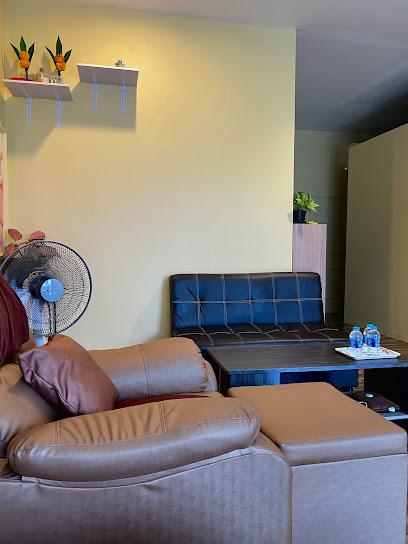
Linda's Massage in Cherng Talay, Phuket – a top-rated spa with a 4.9-star Google rating, open daily 10am–10pm.
  • Cash payments accepted
4.9 328 reviews
View profile: Linda's Massage
Treatment provider

Naturally Heaven Therapy & Physiotherapy Newcastle

Clinic based · Newcastle Upon Tyne, United Kingdom
View profile: Naturally Heaven Therapy & Physiotherapy Newcastle
Member

Harriet Hurrell

Egham, United Kingdom
Your home-from-home, one-stop beauty destination for skin confidence, expert waxing, laser, electrolysis, massage therapy and more. Results-driven treatments meet total…
View profile: Harriet Hurrell
Treatment provider

Relaxation Centre Sandhurst Ltd

✓ Verified
Salon based · Sandhurst, United Kingdom
Advanced skin & wellness treatments for all genders in Sandhurst. Anti-ageing facials, microneedling, laser hair removal, waxing services & massage to refresh, renew &…
  • Card payments accepted
  • Cash payments accepted
  • Gender neutral salons
4.9 185 reviews
View profile: Relaxation Centre Sandhurst Ltd

Body Massage

Profile picture for user admin
Submitted by Reece on Wed, 09/30/2026 - 12:19

Body massage is a hands-on complementary therapy in which a trained therapist works the soft tissues of the body, using techniques such as stroking, kneading and gentle pressure, to help you relax and ease muscular tension. Styles range from gentle relaxation (often called Swedish) massage through to firmer sports or deep tissue work, and the pressure and focus can be tailored to what you want on the day, whether that is unwinding, easing a tight back and shoulders, or general wellbeing. Many people find it helps them feel calmer, sleep better and move more comfortably. It is best understood as a supportive, feel-good therapy that complements, rather than replaces, medical care, and a good therapist will never claim to diagnose, treat or cure a health condition. Sessions usually last between 30 and 90 minutes and take place on a padded couch, with oils or balms used to allow the hands to glide. Because the whole experience should feel comfortable and reassuring, honest communication about pressure, comfort and any health issues matters as much as the technique itself, and there is no need to endure pain for a massage to be worthwhile.

Service
Body massage

A little planning helps you get the most from your session. Try to arrive well hydrated and avoid a heavy meal or alcohol beforehand, as both can leave you feeling uncomfortable on the couch. Wear or bring easy, comfortable clothing, and allow time so you are not rushing in stressed. Your therapist should ask you to complete a short consultation covering your health, medications and any recent injuries or surgery, so think about anything relevant to mention, including pregnancy, high or low blood pressure, blood-thinning medication, skin conditions or areas that feel sore. This is also the moment to say what you want from the treatment and how firm you like the pressure. If you have a diagnosed medical condition, or you are pregnant, it is sensible to check with your GP or midwife first and to choose a therapist experienced in that area. Let the therapist know about allergies, particularly to nut-based oils, so a suitable product can be used.

Your therapist will begin with a brief consultation and explain what will happen, including which areas you would like worked on and any you would prefer left alone. You will usually undress to your comfort level in privacy, then lie on a padded couch under towels, with only the area being worked on uncovered at any time so your modesty is respected throughout. Warm oil or balm is typically applied so the hands can glide smoothly, and the therapist works through the muscles using flowing strokes and kneading, adjusting depth and pace as they go. The room is usually warm and quiet, sometimes with soft music. Good communication is key, so speak up at any point if the pressure feels too firm or too light, if you feel too warm or cold, or if anything is uncomfortable. A skilled therapist checks in with you and adapts. You should feel relaxed and cared for, not braced against pain, and you can ask to pause or stop at any time.

Give yourself a little time to come round after your massage rather than dashing straight back into a busy day. Drinking some water and having a light snack can help you feel grounded, and gentle movement or a warm bath later on may ease any tender muscles. It is sensible to avoid strenuous exercise, very hot saunas and alcohol for the rest of the day, as your body will appreciate the rest. If you have had firmer or deep tissue work, a little muscle soreness over the next day or two is common and usually settles on its own. Keep any oils on the skin unless you prefer to shower them off, and moisturise if your skin feels dry. Listen to your body and rest if you feel drowsy. If you notice anything that concerns you, such as significant pain, dizziness or a skin reaction, contact your therapist and seek advice from a pharmacist or GP if needed.

Choosing a suitably trained, insured therapist is the most important safeguard, because good technique and sound judgement about when not to massage keep you safe. In the UK, look for membership of a recognised professional body or registration with the Complementary and Natural Healthcare Council (CNHC), which sets standards for training and conduct. A responsible therapist takes a proper health history, respects your privacy and consent, and adapts or declines treatment where massage could do harm, for example over a recent injury, infection, skin condition or an undiagnosed lump. They should never make medical claims or promise to cure illness. Cleanliness matters too, so expect fresh towels, clean hands and a hygienic couch. You are always in control, so it is fine to speak up about pressure, to keep areas covered, or to end the session at any time. If in doubt about whether massage is right for a health condition, check with your GP first.

Massage is generally low risk, but some conditions mean it should be modified, delayed or avoided, which is why an honest health history matters. Tell your therapist if you are pregnant, have heart or circulation problems, high or low blood pressure, diabetes, osteoporosis, cancer, a bleeding disorder or take blood-thinning medication, as these may need extra care or GP or specialist input. Massage is usually avoided over areas of infection, inflammation, recent surgery, fractures, open wounds, undiagnosed lumps, varicose veins or a suspected blood clot, and a therapist who suspects a clot should stop and advise urgent medical assessment. In early pregnancy and for people having cancer treatment, seek a therapist specifically trained in that area and, where relevant, clearance from your GP or midwife. Massage is a complementary therapy and not a substitute for medical diagnosis or treatment, so any new or unexplained symptom should be checked by a qualified healthcare professional rather than left to a massage to resolve.

A skin patch test is not routine for body massage, because the safeguard here is a thorough pre-treatment consultation rather than an allergy test. Your therapist should record your health history, medications, allergies and any problem areas, and use this to decide whether and how to treat, which protects both you and the insured practitioner should any issue arise. The main allergy point to raise is the massage medium itself, since some oils and balms contain nut derivatives or fragrance, so flag any known sensitivity so an alternative can be used. If you have reactive skin or a history of reactions to cosmetic products, ask the therapist to trial a small amount of the oil on a small area first. Mentioning skin conditions and recent sun exposure also helps the therapist choose a suitable product and avoid affected areas.

Be cautious if a therapist cannot show relevant training, insurance or professional registration, or if they skip any health consultation and start treatment without asking about your medical history. Claims to diagnose, treat or cure medical conditions, or pressure to buy courses of sessions, are warning signs, as is any reluctance to adapt pressure when you ask. Poor hygiene, such as reused towels, an unclean couch or unwashed hands, is not acceptable. Your consent and comfort should be respected at all times, so anything that feels inappropriate, that ignores your boundaries about which areas are worked on, or that leaves you feeling unable to speak up or stop, is a reason to end the session and look elsewhere.

A good therapist puts you at ease from the start. Look for recognised training and current insurance, ideally with CNHC registration or membership of a reputable professional body. They take a proper health history, explain what will happen, gain your consent and respect your privacy and modesty throughout. Pressure and focus are tailored to what you want, and they check in during the session and respond when you ask for more or less. The space is clean, warm and calm, with fresh towels and good hand hygiene. They are honest about what massage can and cannot do, avoid medical claims, and will refer you to your GP where appropriate. Clear aftercare advice and a welcoming, unhurried manner are also signs of quality care.

  1. What training and qualifications do you hold, and are you insured and registered with a professional body such as the CNHC?
  2. Is massage suitable for me given my health conditions or medications, and should I check with my GP first?
  3. Which style and pressure would you recommend for what I want from the session, and can it be adjusted as we go?
  4. What oils or products do you use, and can you use an alternative if I have a nut or fragrance allergy?
  5. How will you protect my privacy, and how do you handle consent about which areas are worked on?
  6. What aftercare should I follow, and what should I do if I feel sore or unwell afterwards?

Most people find body massage soothing and pleasant, feeling warmth from the oils, steady gliding strokes and a comfortable release of tension in tight muscles. Firmer or deep tissue work can feel more intense and occasionally verge on a 'good' ache as knotted areas are worked, but it should never be sharp, bruising or something you have to grit your teeth through. It is normal to feel deeply relaxed, a little drowsy, or even to drift off. Afterwards you may feel loose and calm, and sometimes slightly tender the next day, similar to after gentle exercise. Tell your therapist at once if anything feels painful, numb or wrong.

Body massage involves no real downtime for most people, and you can usually return to your normal day straight away, though many prefer to keep things gentle for a few hours to hold on to the relaxed feeling. After firmer or deep tissue work it is common to feel a little tender, heavy or sleepy, and occasionally slightly light-headed on standing, so get up slowly. Any muscle soreness typically eases within a day or two, much like after light exercise. If discomfort is severe, lasts longer than expected, or you feel unwell, rest and seek advice from a pharmacist or GP.

The immediate reward of a massage is usually a sense of relaxation, eased muscle tension and improved mood, and many people also sleep better that night. These effects are real but tend to be short-lived, lasting from a day to a week or so, rather than permanent, which is why regular sessions suit those using massage for ongoing stress or muscular tightness. How often is entirely up to you and your budget, with some people booking monthly for general wellbeing and others more frequently during busy or physically demanding periods. You can support the benefits between visits with good hydration, gentle stretching or movement, decent sleep and stress management. Massage works best as one part of looking after yourself rather than a standalone fix, so if you have persistent pain or a health concern, pair it with advice from your GP or a physiotherapist. A therapist who knows your history can tailor each session as your needs change.

Treatment provider

Omnia

★ Expert
Clinic based · Sale, United Kingdom
Omnia specialises in hair removal and advanced skin including blemish removal and electrolysis.
  • Card payments accepted
  • Cash payments accepted
  • Child friendly
View profile: Omnia
Event

National Massage Championship 2026 London

4 – 5 Oct 2026 · Competition, Massage · ExCeL London, Royal Victoria Dock, 1 Western Gateway, London
The National Massage Championship 2026 runs on 4 and 5 October at ExCeL London during Professional Beauty London, with eight massage categories for qualified therapists.
  • Free entry
  • Live demos
  • Networking opportunity
View event: National Massage Championship 2026 London
Studio 8 Beauty Ltd
Treatment Provider

Studio 8 Beauty Ltd

Portsmouth, GB

Read More >>

Beauty Lounge
Treatment Provider

Beauty Lounge

Doncaster, GB

Read More >>

Pagination

  • Current page 1
  • Page 2
  • Page 3
  • Page 4
  • Next page ››
  • Last page Last »
The Hair and Beauty Directory

Newsletter

For professionals

  • Jobs
  • Classifieds
  • Join
  • Rent a room
  • Business Courses
  • Create your Profile
  • Pricing
  • Advertising with us

Explore

  • Advertise your courses
  • Search
  • Events
  • Find a professional
  • New to the industry
  • Articles & Blogs
  • What is verification?

Guidance

  • Inclusivity
  • HIV Awareness
  • Safety & Boundaries

Company

  • How it works
  • Terms and conditions
  • Contact
  • About Us

© 2026 HABD Limited. All rights reserved.

Members in 14+ countries